Search
for
Sort by
Community Join
330-360 / 1000+ resultscommunity Is regrowth normally painfully slow?
The user is experiencing slow but solid hair regrowth using topical finasteride, oral minoxidil, keto shampoo, microneedling, RU58841, and rosemary oil. Another user suggests being grateful for the dense coverage.
community The best vehicle/carrier for RU58841
The conversation is about the best vehicle for RU58841, comparing trichosol and Garnier/Vichy Stemoxydine, avoiding propylene glycol (PG) or ethanol due to previous scalp damage. The user is also seeking sources for these products in the EU.
community It's always the Mice that gets to grow back hair.
Sodium dodecyl sulfate, oleic acid, and palmitoleic acid may promote hair growth, but their safety and effectiveness for humans are uncertain. Users consider trying these treatments cautiously, exploring alternatives like ostrich oil and microneedling.
community DIY GHK-CU hair growth serum, help
community fin-min-keto-derma did not work for me. 24 yo
A 24-year-old tried minoxidil, finasteride, keto shampoo, and derma-rolling for hair loss but saw no improvement and is now at Norwood 5. They feel there's nothing more they can do and are considering going bald despite not liking the look.
community Why does my hair look so much less bald after shower vs upon waking up?
The conversation discusses the user's observation of their hair appearing less bald after showering compared to when they wake up. They use a biotin and keratin conditioner and ketoconazole twice a week, while others suggest the difference in appearance could be due to oil build-up or the hair's response to water.
community The mystery of Azelaic Acid
The conversation discusses using Rogaine (Minoxidil) and ketoconazole for hair regrowth, with interest in trying a formulation with Azelaic Acid for potentially better results. Concerns about Azelaic Acid's effectiveness and safety, including skin sensitivity to sunburn, are mentioned.
community Best Ketoconozole shampoo that doesn’t dry out hair?
People are discussing ketoconazole shampoos that don't dry out hair, with suggestions including using it as a topical treatment, switching to T-Sal, and using moisturizing products like hyaluronic acid serum and biotin conditioner. Regenepure DR is confirmed to still contain ketoconazole, and some users recommend using moisturizing shampoos and conditioners to prevent dryness.
community Preparation and evaluation of a hair wax containing propolis and Eruca sativa seed oil for hair growth. - PubMed
The conversation discusses using a hair wax containing propolis and Eruca sativa seed oil for hair growth. It also mentions treatments like Minoxidil, finasteride, and RU58841.
community 3-4 Month Re growth (Updating in 3 months)
The post discusses a hair loss treatment regimen including oral finasteride, topical minoxidil, a rejuvenating scalp serum with caffeine, rosemary, and ginger, topical ketoconazole, saw palmetto, and derma rolling. The user seeks advice for scalp pimples and irritation.
community Cell senescence-targeted treatment for hair loss, has anyone tried any products/enzymes etc. that use this theory
DHT causes hair loss by driving cells into senescence, and a polyphenol in black chokeberry may reverse this. A product using this theory is being considered for use alongside finasteride, minoxidil, and microneedling.
community This shedding fase is absolutely brutal
The user is experiencing severe hair shedding despite using minoxidil, finasteride, ketoconazole shampoo, and dermarolling. They are considering changing treatments after stopping dermarolling and switching finasteride brands worsened the shedding.
community 17M with Diffuse Thinning, Dandruff, and Body Hair Shedding
A 17-year-old is experiencing diffuse thinning, dandruff, body hair shedding, and other symptoms, possibly linked to seborrheic dermatitis or telogen effluvium. They are using ketoconazole shampoo and considering blood tests to check for thyroid issues or deficiencies.
community possible treatment of AGA and change in sebaceous gland condition and oil production using sulfur soap
Sulfur soap may help with hair thickening and reducing scalp inflammation, but it can cause dryness. Nizoral, containing ketoconazole, is noted for its potential to reduce seborrheic dermatitis but may also cause scalp dryness and hair loss.
community Is this a progress? 5 percent min foam + Microneedling + Keto
A user shared progress photos showing hair regrowth using 5% minoxidil foam, microneedling, and 2% ketoconazole. They also started taking multivitamins and are considering adding finasteride.
community min+fin + dermarolling+ keto shampoo once a week – 3.5 months progress (33 yo)
A user's 3.5 month progress using Minoxidil, finasteride, dermarolling, and keto shampoo for hair regrowth, with positive results being reported.
community Experience with Rootbiotec or Anagain
The conversation discusses experiences with hair loss treatments containing RootBioTec and Anagain. Users share their results and compare these treatments to Minoxidil, finasteride, and RU58841.
community hyper responder? is it shockloss or is this baseline? | 23M 3500 grafts | 1000 on crown, 1000 midscalp and 1500 hairline
A user shared progress pictures 1.5 months after a hair transplant of 3500 grafts, using oral finasteride, topical finasteride, minoxidil, and vitamins. They are concerned about potential shock loss and the thinning appearance.
community Stem cell hair transplant? Any progress?
community New growth? Fin, min, microneedling
The user is asking if observed hair growth is new or old hairs dying off. They mention using finasteride, minoxidil, and microneedling.
community Shampoo for dry and itchy scalp
A user shared that Garnier Fructis SOS repair shampoo with amla oil and liquid vegetal keratin helped with their dry and itchy scalp. They have been using finasteride and minoxidil for a year and found this shampoo effective after trying many others.
community 37 days using ketoconazole shampoo, progress?
The user is using ketoconazole shampoo, organic vinegar, iced aloe vera gel, and sulfur soap to address hair loss, avoiding minoxidil and finasteride unless necessary. Some users see improvement, while others suggest adding finasteride for better results.
community Trichosol, polyethylene glycol, and DMSO
The user experiences irritation from alcohols in minoxidil and is considering alternatives like trichosol mixed with polyethylene glycol or DMSO. They seek advice on the best nonirritating option.
community Topical Minoxidil Hyperresponder
Minoxidil helped regrow hair from NW3 to NW2 in 5 months despite initial shedding, with additional use of Vitamin D3/K2 on the scalp. Users discuss patience during shedding and the importance of continuing treatments like Minoxidil and Finasteride.
community (large post) Ambitious, "natural" treatment regime, suggestions thoughts or trolls welcome
The post discusses a hair loss treatment regime using Nizoral, a laser helmet, dermaroller, bentonite clay mask with essential oils, and ketoconazole shampoo. The user avoids finasteride and minoxidil due to concerns about side effects and pet safety.
community Hairloss Reversal with Stem Cell Therapy
community 5 months of 1mg Fin, daily GHK-CU injection, daily keratin/biotin/MSM supplement, daily Pura D’Or Advanced Therapy Shampoo and Conditioner, daily Ayurvedic oil, Ket x3/week, weekly microneedling with topical GHK-CU
A user shared their 5-month hair loss treatment progress, using 1mg finasteride, daily GHK-CU injections, keratin/biotin/MSM supplements, Pura D’Or shampoo and conditioner, Ayurvedic oil, ketoconazole thrice weekly, and weekly microneedling with topical GHK-CU. The post includes progress pictures.

community M17 regrowth journal
A 17-year-old is addressing hair loss with finasteride, topical minoxidil, and microneedling. They are considering adding GHK-Cu to their regimen, but others advise caution with finasteride due to age.
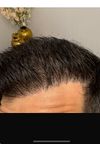
community Transplanted hairs thinning after 3 years — oral minoxidil making things worse?
Transplanted hairs are thinning after switching from topical to oral minoxidil, with increased shedding and miniaturization. The user is considering reintroducing topical minoxidil and has started using ketoconazole shampoo.