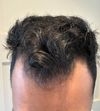
Microneedling can still be beneficial when using oral finasteride and minoxidil, with a recommended needle length of 0.5mm to 1.0mm. A stamp or pen is preferred over a roller for microneedling.
A user shared their 9-month progress using 1mg daily finasteride, noting initial side effects like low libido and ED that resolved over time, and advised staying on the treatment for at least a year before considering a hair transplant. Other users suggested adding minoxidil for better results and recommended using ketoconazole shampoo for dandruff.
The user has been using oral finasteride daily, topical minoxidil twice a day, tretinoin once a week, and 2% ketoconazole twice a week since February 5th. They shared progress pictures showing hair improvement over two and a half months.
The user experienced increased hair density and improved hairline definition after 8 months of using 1mg finasteride and 5mg minoxidil (both oral and topical) daily, though the hairline recession hasn't reversed. They noticed fuller eyelashes and increased shedding, but overall hair growth is outpacing the loss.
Dutasteride can significantly reduce sperm volume, with some users experiencing up to a 90% decrease. While some users report adaptation over time, others suggest switching to finasteride if side effects are too severe.
A 26-year-old is starting a hair loss treatment using 1mg oral finasteride daily, 5% topical minoxidil foam twice daily, 2% ketoconazole shampoo weekly, and microneedling once a week. They noticed worsening hair loss over the past year and are seeking advice.
A 21-year-old male has been using minoxidil for 7 months but notices worsening hair loss, including increased visibility of the crown, overall thinning, and a receding hairline. He previously used finasteride and is considering restarting it, questioning if long-term shedding is normal and when to expect results.
A 31-year-old male shared his 4.5-month progress using finasteride, topical minoxidil, and dutasteride mesotherapy for hair loss, showing significant improvement in crown density and overall hair texture. He reported no side effects and plans to continue the treatment to assess further results.
Low iron and ferritin levels can contribute to hair shedding, and low ferritin can reduce the effectiveness of finasteride. Supplementing iron and vitamin D can help improve hair growth and overall health.
The conversation discusses hair loss treatments, specifically using Minoxidil and Finasteride, with users sharing progress and experiences. One user also mentions using Dutasteride and oral Minoxidil, noting significant improvement over nine months.
A user shared their one-year progress using finasteride 1.2mg and minoxidil 3mg daily, noting initial shedding and a slight drop in libido that improved over time. They also switched to Aussie Miracle Volume shampoo and use Hims supplements, including vitamins and biotin.
A 35-year-old shared a 2-month update on their hair transplant of 3153 grafts, noting redness, itching, and some pimples, while using finasteride for over 12 years to maintain hair. Users discussed the effectiveness and timing of starting finasteride, with some suggesting consulting a doctor for young individuals considering the treatment.
A user switched from topical to oral finasteride (0.5mg daily) and continued using topical minoxidil, seeing significant improvement in hair loss over four months. The user is pleased with the results, especially on the crown, and notes that hairline recession has stopped.
The conversation discusses skepticism about "5 in 1" and "3 in 1" hair loss treatments, which combine Dutasteride or Finasteride with Minoxidil, being overpriced and potentially ineffective. Users suggest buying individual components separately for cost savings and question the effectiveness of low concentrations in these combined products.
Minoxidil and finasteride topical solutions may last longer than their labeled best before date, with users experiencing varying side effects and effectiveness over time. Some users report reduced side effects and increased hair loss towards the end of the second month of use.
A user shared their one-year hair restoration journey, which included a hair transplant in Thailand and the use of oral minoxidil and finasteride. They expressed satisfaction with the results despite the cost and chose Thailand over Turkey due to mixed reviews.
Hair transplantation involves a detailed consultation, preparation, and a long-term recovery process with stages like initial shedding and gradual new hair growth over months. Setting realistic expectations is crucial for patient satisfaction.
The user shared their hair regrowth journey using finasteride, oral minoxidil, and dutasteride over 1.5 years, showing significant improvement. They experienced no side effects and noted increased body hair growth with oral minoxidil.
Oral minoxidil and finasteride can lead to quick hair growth, with some users noticing changes in as little as 2-3 weeks, though head hair may take longer. Many prefer oral minoxidil over topical due to convenience, and some also use ketoconazole shampoo and other topical treatments.
People spend varying amounts on hair loss treatments like dutasteride, finasteride, and minoxidil, with costs ranging from $5 to over €220 depending on the source and quantity. Some users report side effects, while others discuss strategies for obtaining prescriptions and managing costs.
The user regrets not starting finasteride at 1 mg daily from the beginning, as they feel their initial microdosing was ineffective. They are now on the standard dosage and hope to see improvements in hair loss over the next few months.
The user has been using finasteride for nearly three years and believes it is working well, with others noting denser hair and some regrowth, especially around the temples. The user experienced slight shedding around month six but overall reports thicker hair and stabilization.
The conversation discusses the use of dutasteride (0.5 mg daily) for hair loss, with additional treatments like minoxidil, derma rolling, and nizoral shampoo. The user reports positive progress over two years with no significant side effects, emphasizing the importance of consistency and patience.
A 17-year-old is stressed about mild male pattern baldness and is considering treatments like minoxidil and finasteride but is concerned about starting finasteride too young. Users suggest starting with minoxidil and considering finasteride at 18, while emphasizing the importance of consulting a doctor and not obsessing over hair loss.
The user experienced increased hair loss and a thinning hairline after starting finasteride, despite using minoxidil for over 1.5 years. They are seeking advice on how to address this issue.
A user shared their experience with a 7600 graft hair transplant using scalp, beard, and chest hair over three procedures, expressing satisfaction with the results despite mixed feedback. They also used finasteride to thicken hair and considered scalp micropigmentation for further improvement.
The user experienced significant hair regrowth and regained confidence after using 1 mg finasteride and minoxidil twice daily. Initial side effects like weak erections and hard nipples resolved over time as the body adjusted.
A 22-year-old male has been using oral minoxidil, oral finasteride, microneedling, and ketoconazole for hair loss treatment over two years, experiencing some regrowth and maintenance. He reports side effects from finasteride, including erectile dysfunction, and slight libido impact from minoxidil.
The user is experiencing increased hair shedding after starting finasteride at 0.25mg daily, and others suggest this is normal and will improve over time. Recommendations include continuing the current dose, considering minoxidil, and being patient as shedding can last several months before improvement.
A 25-year-old male experienced noticeable temple regrowth using 1mg finasteride, 2.5mg oral minoxidil, and 2mg GHK-Cu over three months. The user is pleased with the progress, especially on the left temple.