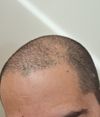
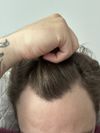
OP shared a 7-year hair density progress update using Minoxidil, Finasteride, and dermarolling. Creatine use was discussed, with mixed opinions on its impact on hair loss.
The user experienced noticeable hair growth after starting dermarolling with a 1mm device, using minoxidil, and nizoral shampoo. They plan to reduce dermarolling frequency to three times a week and are considering additional treatments like finasteride or a hair transplant for increased hair density.
A user shared their hair transplant experience with 5,100 grafts at Hair of Istanbul, costing $4,500, but many commenters suspect the post is promotional for the clinic. The user did not use Minoxidil or Finasteride post-surgery, which some commenters criticized.
The user is experiencing significant hair loss and has tried treatments like PRP therapy, topical and oral Minoxidil, Finasteride, and dietary changes, with limited success. They are concerned about losing more hair before a scheduled hair transplant and are advised to postpone the transplant to allow medications more time to work.
A 12-year-old diagnosed with alopecia shares their experience and current treatments, including Dermovate, an unnamed cream, and liquid iron. The community offers support and encouragement.
Elevated PGD2 levels in bald scalp tissue may contribute to hair loss, and treatments like castor oil, finasteride, and minoxidil are discussed as potential solutions. Some users explore alternatives like oral castor oil and cetirizine for those who cannot use finasteride.
Pumpkin seed oil showed a 40% increase in hair count, but its effectiveness is questioned due to other ingredients in the supplement. Users discuss its potential compared to finasteride, with some expressing skepticism and others showing interest.
A user's progress with their hair loss treatment, which includes finasteride and nizoral, as well as the potential for using minoxidil; other users providing advice based on their own experiences; and others discussing how buzz cuts can make diffuse thinning look worse than it is.
A 25-year-old woman is experiencing hair loss and has started microneedling with a 0.5mm roller, applying a mix of essential oils overnight. She questions whether to switch to a 1.5mm roller and the best order for her routine, while a reply suggests using Minoxidil for better results.
Soy consumption may help prevent androgenic alopecia, but it can decrease sexual drive in some men. There is a connection between soy and androgenic alopecia, suggesting a potential protective effect.
The user is considering a hair transplant to increase hair density after using finasteride and minoxidil for two years. They prefer a natural hairline and are unsure if a transplant is suitable for overall thinning.
The user is considering blood tests to understand their receding hairline and is exploring brewer's yeast for its biotin content. They have been using topical Minoxidil, biotin, collagen, and microneedling, but are avoiding oral Finasteride and Dutasteride.
The user's experience with hair loss, their doctor explaining that they were likely hyper aware of thin spots due to anxiety and an underlying whorl in one area, and providing encouragement for those feeling discouraged. Treatments mentioned include minoxidil and spironolactone.
17M approaching Norwood 2, using topical minoxidil and considering finasteride, oral minoxidil, and pyrilutamide. Plans to study dermatology and possibly get a hair transplant at 25 if treatments don't work.
The user noticed baby hairs after using minoxidil for two years, along with daily massages, derma stamping, and drinking peppermint infusions. Another user suggested starting with topical finasteride and eventually switching to oral finasteride, despite the original poster experiencing side effects from topical finasteride.
Androgenic alopecia (AGA) might have evolved to reduce prostate cancer risk by increasing UV exposure to the scalp, but this theory is debated. Treatments like minoxidil and finasteride are used for AGA, though the exact causes and evolutionary reasons for hair loss are unclear.
A 21-year-old experiencing significant hair loss is considering a hair transplant and has been using finasteride and biotin, with plans to switch to dutasteride and oral minoxidil for better regrowth. They are seeking advice on the number of grafts needed, with suggestions ranging from 2,500 to 6,000, and are exploring different clinics and treatment options.
The user is taking 1mg Dutasteride, 2.5mg oral Minoxidil, topical Minoxidil, 28mg iron, vitamin D3 + K2, and Selenium daily. They are concerned about their receding hairline despite good hair density and crown.
Exosomes were used for hair loss treatment, showing results 33 days after the second session. The conversation also mentions Minoxidil, finasteride, and RU58841 as treatments.
A user's experience with microneedling monotherapy and potential treatments such as finasteride, minoxidil, Stemoxydine, rosemary oil, peppermint oil, and RU58841 for reversing hair loss.
A 28-year-old is assessing their hair loss on the Norwood scale, considering adding topical minoxidil and dermastamping to their current regimen of oral finasteride and minoxidil. They feel their hair loss is worsening and seek opinions on their condition.
Various hair growth treatments were discussed, including microneedling, bimatoprost, setipiprant, stemoxydine, PGE2, CB-03-01, WNT Beta-Catenin upregulators, KY19382, topical estrogen, IGF-1, GH, MK-677, oral castor oil, fisetin, resveratrol, cetrizine, and lactic acid. Users shared experiences and sources for these treatments, with some expressing interest in topical solutions and others noting the lack of FDA approval or scientific evidence for certain options.
A user with androgenetic alopecia is using 8 ml of 1.4% topical spironolactone solution daily but is unsure if this amount is excessive, as 2 ml is more typical. They seek advice on the appropriate amount to apply.
The user is generally happy with their hair transplant results but has concerns about graft density and placement, particularly on the left temple and hairline. They are using finasteride and minoxidil inconsistently, plan to add Priorin, and are considering microneedling and PRP sessions for future care.
An 18-year-old using 5% minoxidil topically and derma rolling weekly for 1.5 months shows visible hair growth progress. The user also addresses vitamin D deficiency and thyroid imbalance with medication.
Follicusan DP is discussed as a potential alternative to Minoxidil without side effects, but information is scarce. It is noted to be of German origin and details on its mechanism are limited.
Kintor Pharma has started a Phase II trial in China for GT20029, a potential new treatment for hair loss. Participants are discussing the significance, potential release dates, and comparing it to other treatments and technologies like stem cell hair transplants and SAMIRNA.
User experienced hair loss due to anorexia and stress, leading to a difficult journey with wigs and self-esteem. Hair regrowth occurred with spironolactone, but recent hair loss returned, causing uncertainty and emotional struggles.
The user is concerned about high prolactin levels and low testosterone levels after stopping finasteride for three weeks. They are considering resuming finasteride but are worried it might further increase prolactin levels.