Exosomes are discussed as a new hair loss treatment, but skepticism is expressed about their effectiveness. Other treatments mentioned include Minoxidil, finasteride, and RU58841.
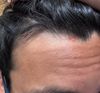
A 30-year-old male is experiencing hair loss and is concerned about his receding hairline, seeking advice on his Norwood scale classification. He is apprehensive about using Minoxidil and finasteride as treatments.
Hypoxia may enhance hair growth by stimulating stem cells, but it could also risk fibrosis. Some users humorously discuss extreme methods like choking while using minoxidil, highlighting the need for new treatments.
PP405 is a promising experimental topical treatment for alopecia that reactivates dormant hair follicles by targeting cellular energy, with large-scale trials planned for 2026. While it shows potential, it cannot regenerate permanently destroyed follicles, making hair transplants the only guaranteed solution for advanced baldness currently.
The user is trying a new hair loss regimen including Spirolactone, Finasteride, oral Minoxidil, microneedling, and various supplements. They are experiencing increased shedding and seeking advice on microneedling and treatment effectiveness.
The user is concerned about having a straight, low hairline after a hair transplant and is unable to take finasteride due to high estrogen and prolactin levels. They have used minoxidil with limited success and are considering further transplants to lower the hairline, while others suggest the risks of using up donor hair too quickly.
The conversation is about whether doctors are offering hair transplants using verteporfin. Dr. Bargouthi in Jordan and Dr. Bloxham in New York are currently conducting trials on it.
Current treatments like finasteride, minoxidil, and derma rolling are considered the best for hair loss, while new treatments such as GT20029, PP405, and others are in various trial phases with results expected in the coming years. There is cautious optimism about the affordability and effectiveness of these upcoming treatments.
The user reported positive hair regrowth results after six months of using 0.5 mg finasteride and nanoxidil, despite experiencing initial side effects like testicular pain and changes in libido. They noted that nanoxidil was chosen over minoxidil due to less scalp irritation.
The conversation discusses using verteporfin for hair regrowth and minimizing scarring after hair transplants. Some individuals plan to self-administer verteporfin, potentially in combination with microneedling, as an alternative to hair transplants.
A 19-year-old male experienced significant hair loss, initially thought to be male pattern baldness (MPB), and used minoxidil and briefly finasteride. After realizing the issue was telogen effluvium (TE), he improved his diet and supplemented with vitamins, which led to substantial hair regrowth.
The conversation discusses using pumpkin seed oil and rosemary oil for hair thinning, with skepticism about their effectiveness compared to pharmaceutical options like finasteride and minoxidil. Some users suggest trying natural treatments, while others emphasize the proven success of pharmaceuticals.
Hair loss and potential treatments, primarily focusing on Finasteride and Minoxidil. Other solutions discussed include PRP, dermarolling, LLP, and scalp tension relief.
A user is participating in a phase 3 trial for Clascoterone, a topical acne medication that may stimulate hair growth, and will share results after 6 months. They will have a section of their hair shaved and marked with a tattoo for the study.
The conversation discusses the effectiveness of Spironolactone and Finasteride for hair regrowth in females. Specific treatments mentioned are Spironolactone and Finasteride.
The user experienced significant hair regrowth using a treatment regimen including finasteride, oral and topical minoxidil, RU58841, red light therapy, microneedling, and various supplements. They switched from dutasteride to finasteride due to side effects and reported improved results and well-being.
The user began experiencing hair loss a few years ago at age 22 and is a diffuse thinner with a Norwood scale rating of 2. They have a naturally athletic build and gain muscle easily, with a hairy chest and stomach.
A woman has been struggling with hair loss for over 12 years and is frustrated with doctors refusing to prescribe finasteride due to potential birth defects and unproven breast cancer risk. She's considering self-treatment or permanent birth control, after being offered only minoxidil, PRP therapy, and weaker natural supplements like Saw Palmetto.
The user is using oral finasteride, minoxidil, and KX-826 for hair regrowth, noticing small improvements. They plan to add ketoconazole shampoo and consider a hair transplant with verteporfin after a year of treatment.
A user with long-term hair loss has been using topical minoxidil, finasteride, RU58841, ketoconazole, and dermastamping for 8 months. They are unsure if the new hairs are miniaturized or vellus.
A user has been taking finasteride 1mg for 10 years without side effects but is concerned about high estradiol levels affecting weight loss. Another user suggests using estradiol blockers under medical supervision to manage the levels.
A 35-year-old with alopecia areata has tried finasteride, topical and oral minoxidil, and dutasteride without success in stopping hair loss. The dermatologist suggests JAK inhibitors, but they are too costly, leading to uncertainty about the cause of hair loss.
User asks if spironolactone can stack with finasteride and pyrilutamide for hair loss treatment. They question why spironolactone is associated with feminizing effects, while RU/pyri/fluridil, which work similarly, are not.
Hair loss discussion involves experimenting with Sulforaphane from broccoli sprouts and possibly procyanidin b2. People seek updates on progress and if it's worth adding to treatment stack like microneedling.
PRP treatment for hair loss shows some evidence of effectiveness, with HT surgeons using it post-op to promote growth. Microneedling is mentioned as a cheaper alternative.
The conversation is about hair regrowth progress using a combination of treatments: dutasteride, minoxidil, RU58841, ketoconazole, and monthly microneedling. The user reports that microneedling and topical minoxidil had the most impact on their hairline.
User discusses Alfatradiol (17a-Estradiol) as a potential hair loss treatment with mixed results. Concerns include low dosage, receptor theory, and possible increased aromatase activity on scalp.
Pyrilutamide is an experimental hair loss treatment, with users discussing its availability and cost from sources like Anagen Inc, Actifolic, and MinoxidilMax. Some users express concerns about product authenticity and suggest waiting for further trial results to assess its safety and effectiveness.