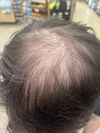
A woman with AGA and CTE has been taking multiple hair loss treatments including spironolactone, dutasteride, finasteride, bicalutamide, birth control, and minoxidil without success. Steroid injections, however, dramatically and immediately stopped her hair loss, though the effect lasts less than a month.
User experienced feminizing side effects from finasteride and tried RU, alfatradiol, and finasteride without success. They are now considering treatments like Stemoxydine, Zix, Minoxidil, Dermarolling, Eucapil, and a hair transplant.
The conversation is about experiencing hyper-trichosis from taking oral Castor Oil. The user reports increased hair growth on the stomach and legs but is not concerned as it is harmless and will stop when the treatment stops.
A woman with hair loss discovered she has thyroid cancer, which was found during an MRI and confirmed with an ultrasound. She advises others with symptoms to see a doctor and shares that her cancer was detected after her dog sniffed her neck and she experienced neck pain.
Follicum discovered that their drug FOL-005 increased hair count by 12 hairs per cm2 in patients with less than 255 hairs per cm2 and is planning a phase 2b trial. They are currently fundraising for the trial, and the drug may also be effective for women.
A user reported less hair shedding using melatonin spray and is considering trying topical oxytocin or estrogel for hair growth, but is concerned about potential side effects like breast development. Topical oxytocin has been found to promote hair growth by increasing growth factors.
Topical estradiol may help with hair loss but can have systemic effects, like reduced testosterone production. Using estrogen blockers can have negative side effects, such as joint pain and reduced sex drive.
A user on 1mg finasteride for a year has low estradiol levels but no significant symptoms, and others suggest monitoring without immediate concern. Some users discuss potential effects of low estrogen, like low libido, but the user reports no erectile dysfunction.
A user experienced high estrogen levels after 10 months of taking 1mg oral finasteride but is happy with hair regrowth. They are considering switching to topical finasteride and are also taking DIM and Zinc supplements.
The conversation is about the potential impact of RU58841 on male fertility, specifically regarding sperm concentration, total count, and motility. The user is curious about the likelihood of RU58841 reducing fertility based on its mechanism of action and comparisons to similar substances.
OP is using 5% minoxidil and a foligain supplement for hair loss, with blood test results showing high cortisol levels. OP is considering starting finasteride, while another user shares their experience with finasteride and hair loss challenges due to malabsorption issues.
The conversation discusses the effectiveness of anti-androgens for hair loss, with a preference for topical treatments like RU58841 over oral options due to better scalp concentration and fewer side effects. Topical finasteride at 0.1% may provide some results, especially when combined with a topical androgen receptor antagonist like RU58841.
Post Finasteride Syndrome (PFS) may result from epigenetic changes and gut microbiota alterations. Supplementing with Allopregnanolone might protect against these adverse effects.
A user is joining a clinical trial for Clascoterone, a drug approved for acne but being tested for hair loss. They previously tried finasteride with limited success and plan to share updates on their experience with the new treatment.
Excessive scalp sebum, worsened by DHT, can lead to inflammation and hair loss, with clascoterone mentioned as a treatment. Diet changes seem ineffective for scalp sebum, and treatments like minoxidil and finasteride are suggested.
A 21-year-old woman with female pattern baldness has tried minoxidil, red light therapy, and supplements without success. She is considering spironolactone and seeking medical advice.
A female user has experienced severe hair shedding since stopping birth control in late 2022, diagnosed as telogen effluvium with no signs of androgenetic alopecia. Despite healthy living and optimal bloodwork, she continues to shed hair daily but also sees significant regrowth.
User experienced hair thickening with pyri but also side effects like reduced sex drive. Stopping pyri and returning to CB restored sex drive, suggesting pyri may go systemic or be incorrectly formulated.
A user initially had side effects from finasteride, attributed them to anxiety and the nocebo effect, and after resuming the drug, experienced positive effects and now warns against misinformation about Post Finasteride Syndrome.
The user is concerned about high LH and estradiol levels after using finasteride but reports no side effects. They are seeking advice on whether these levels are concerning despite feeling fine.
Concerns about finasteride affecting sperm quality and embryo abnormalities during IVF. The user plans to stop finasteride for 6 months and use minoxidil, microneedling, a red light cap, and saw palmetto shampoo to manage hair loss.
Koshine 826 (Pyrilutamide) is being used by several users to address hair loss, with mixed results on shedding and side effects. Some users report reduced shedding and no side effects, while others experience increased shedding and potential issues with libido and erectile dysfunction.
A user with Androgenetic Alopecia is seeking advice on hair growth treatments while planning for pregnancy. Current routine includes LaserCap, Nizoral Shampoo, scalp massage, The Ordinary Multi Peptide Serum, vitamin D, prenatal vitamins, and SEEN shampoo.
White rice may lower DHT and potentially cause symptoms similar to post-finasteride syndrome. The user experienced muscle wasting, depression, and other symptoms after consuming large amounts of white rice.
A person in their early 30s is experiencing increased hair shedding after stopping birth control and reducing spironolactone, which they've been on for years. They are concerned about the hair loss, which is different from their usual hereditary pattern, and are seeking advice.
User experienced hair loss due to anorexia and stress, leading to a difficult journey with wigs and self-esteem. Hair regrowth occurred with spironolactone, but recent hair loss returned, causing uncertainty and emotional struggles.
Low testosterone and estradiol may contribute to hair loss, and blocking DHT without sufficient hormone levels might hinder regrowth. The discussion highlights the importance of hormone balance, with some considering supplements and lifestyle changes to support hair health.