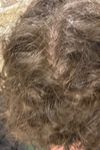
A 34-year-old male is experiencing hair loss on the sides of his head, with inflammation and itchiness, while the top remains thick. He is using topical dutasteride and keto shampoo to address the issue.
A user experienced high estrogen levels after 10 months of taking 1mg oral finasteride but is happy with hair regrowth. They are considering switching to topical finasteride and are also taking DIM and Zinc supplements.
The user experienced significant hair loss after stopping a treatment with vitamins, minoxidil (2.5mg), and dutasteride (0.5mg) for three months. They resumed the treatment 20 days ago and are hopeful for recovery, with no side effects reported.
The user started shedding hair after beginning testosterone replacement therapy (TRT) despite using dutasteride and minoxidil, and added RU58841 to address the shedding. They reduced their TRT dose and hope RU58841 will stop the shedding quickly.
A user on finasteride for 7 months is experiencing increased hair loss and is considering adding dutasteride or minoxidil to their regimen. They are seeking advice on whether to switch treatments or continue their current plan.
Dutasteride is more effective than finasteride for hair loss, especially at the crown and midscalp, but both have similar side-effect profiles with low incidence of sexual adverse events. Improvement is measured visually, and significant results may take over 12 months to appear.
Switching from finasteride and topical minoxidil to dutasteride and oral minoxidil caused a major hair shed, exacerbated by moving stress. Dutasteride may take months to fully integrate, and adding finasteride might help with hair protection during this transition.
A user shared their four-year experience using 0.5mg dutasteride and topical minoxidil once daily for aggressive early hair loss, maintaining their hairline and regrowing hair on the vertex. They've experienced positive social feedback and increased confidence but also deal with dry eyes from dutasteride and worry about its long-term effects and cost.
The conversation is about using bicalutamide, taken less frequently than daily, for hair loss treatment. The user is considering 50mg every 3 days or once a week and is asking for others' experiences.
The user experiences severe side effects from finasteride and dutasteride, including low libido and anxiety, and is currently using oral minoxidil despite shortness of breath. They are seeking alternative treatments for hair loss, having tried pyrilutamide, fluridil, and RU58841 with no success, and are considering future treatments or a hair transplant.
Increased scalp itching during shedding phases while on finasteride treatment may coincide with hair regrowth and recovery. This suggests that itching might not always indicate continued hair loss and could encourage persistence with the treatment.
Breezula's effectiveness is uncertain, with some users skeptical about its potential and others noting its recent availability on the grey market. A user reported success with a stack of Dutasteride (oral), Minoxidil (topical), and RU58841 (topical), achieving significant hair improvement after 18 months.
The conversation discusses concerns about using cordyceps while on dutasteride due to potential DHT increase, with OP experiencing hair loss after using creatine. OP is advised to stop creatine and give dutasteride more time to evaluate its effectiveness.
The user is concerned about safely using RU58841 around cats and wonders if applying it 2 hours before a shower is as effective as leaving it overnight. The discussion focuses on the absorption time and effectiveness of RU58841.
The conversation discusses skepticism about Breezula, a hair loss treatment, with the consensus that it's not a miracle cure but a maintenance drug that may work well with finasteride. Some users report side effects from finasteride, like sexual dysfunction, while hoping for better results from Breezula or RU58841 without such side effects.
The user experienced temple recession, shedding, and acne while on 0.5mg dutasteride, 1.25mg finasteride every other day, and 5mg oral minoxidil daily. They are considering switching treatments due to worsening symptoms and are contemplating using a topical anti-androgen like RU58841.
Hair loss treatments like spironolactone often require lifelong use to maintain results. Stopping the medication can lead to increased testosterone levels and potential hair loss.
Breezula shows promising hair growth results, with up to 539% increase in hair count compared to placebo, and regulatory submissions are planned in the US and EU. Users are cautiously optimistic, noting the potential for Breezula to replace finasteride by targeting DHT without systemic effects.
The potential risks and benefits of using Dutasteride as a hair loss treatment, compared to using Finasteride or other treatments like RU58841 or Accutane. People discussed their personal experiences with these treatments and shared advice on how to proceed.
A user is considering quitting RU58841 after using it for over three years alongside Dutasteride and Oral Minoxidil, and is concerned about potential hair loss. Other users share mixed opinions on RU58841's effectiveness, with some suggesting continued use of other treatments like Dutasteride and Minoxidil.
The drugs RU-58841, Pyrilutamide (KX-826), Apalutamide, Enzalutamide, and Darolutamide, which are nonsteroidal antiandrogens (NSAA), potentially impacting male fertility. Pyrilutamide, similar to Enzalutamide, may have reversible effects on fertility.
A 19-year-old using topical minoxidil and dutasteride reports significant hair growth and shedding. Minoxidil caused new facial hair growth, and the user hopes for thicker hair regrowth.
Finasteride may cause sleep disturbances, with some users experiencing insomnia. Reducing the dosage, switching brands, or trying Dutasteride might help.
A 32-year-old male experienced reduced libido and erectile difficulties after taking Minoxidil and Dutasteride for hair loss. He stopped the treatment and plans to consult his doctor, seeking similar experiences from others.
A 20-year-old is considering switching from finasteride to dutasteride during a steroid cycle to better manage hair loss, then returning to finasteride afterward. They are concerned about the risks of post-finasteride syndrome from frequently changing medications.
A user with aggressive androgenic alopecia is considering increasing their dutasteride dose from 0.5 mg to potentially 2.5 mg, while already using oral minoxidil, Nizoral, RU-58841, and dermapen. They are seeking advice on the effectiveness and side effects of higher dutasteride doses, with suggestions to consult a dermatologist and consider a higher Nizoral concentration.
The conversation discusses hair loss where only short, thin hairs are being shed after 16 weeks of using dutasteride, with no visible regrowth. One response suggests that shedding short hairs is a positive sign, indicating that the hair follicles are still active and responding to treatment.
Finasteride and Dutasteride do not cause dry eyes by damaging meibomian glands, as these glands continue to function normally even when DHT is blocked. Some users report dry eyes with these medications, but others suggest supplements like Omega-3 or krill oil as potential remedies.
User shared before and after photos of hair regrowth using Dutasteride 5x a week for 19 months. They experienced significant improvement and thanked others for their support.
Breezula's phase 3 results are expected soon, but its release is likely delayed until 2027 or 2028. The discussion highlights the need for more hair growth stimulants like AMP-303 and PP-405, as current treatments like Dutasteride effectively stop hair loss but don't regrow hair.