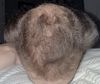
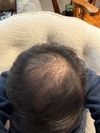
A dermatologist advised stopping topical minoxidil when starting finasteride, which surprised the user who thought combining both would be better. The user also noted the dermatologist didn't mention signing an acknowledgment form for finasteride's potential side effects, raising concerns about the advice given.
Switching from topical to oral minoxidil may lead to better results for some users, with oral minoxidil generally being more effective due to higher absorption. However, it can also cause side effects like hypertrichosis and blood pressure issues, and individual responses may vary.
The user is using 0.5mg dutasteride and 2.5mg minoxidil for hair loss and is considering additional treatments like microneedling and RU58841. They feel discouraged due to lack of progress on the crown/mid scalp but are advised to be patient and consistent, as improvements can take up to a year.
The conversation is about using topical finasteride for hair loss and concerns about its application, side effects, and practicality. Users suggest switching to oral finasteride for convenience, despite potential side effects.
The user is experiencing increased hair miniaturization despite using oral minoxidil, dutasteride, and microneedling. They are considering reintroducing finasteride and adjusting dutasteride dosage.
Mixing RU58841 powder with topical minoxidil is being considered to simplify application and manage dandruff. The user switched from finasteride to dutasteride due to continued hair shedding.
VDPHL-01 is essentially a slow-release oral minoxidil, which is already known to work for hair growth. The formulation includes other ingredients like Medrogestone, Valproic acid, Setipiprant, and Cetirizine, but their effectiveness and necessity are questioned.
A user is concerned about the long-term commitment and potential side effects of using oral finasteride and topical minoxidil for hair loss. They are debating whether to accept their hair loss or start the treatment despite mixed results from others.
The user has been using dutasteride, RU58841, and minoxidil for hair loss, experiencing some side effects and mixed results, with RU58841 notably reducing scalp itch. Despite extensive treatment, the user has maintained hair but struggles with hairline thickening.
The user is experiencing headaches and dizziness two weeks after starting finasteride at 1.25mg, concerned about potential brain fog affecting math studies. They mention hearing that headaches can be normal after starting finasteride.
The user is using oral minoxidil and dutasteride for hair loss and observed changes in blood pressure after taking oral minoxidil. They experienced no visible symptoms from topical minoxidil, finasteride, or other treatments and are seeking feedback on whether these blood pressure changes are typical for oral minoxidil users.
A user took finasteride for six months, then switched to dutasteride for a year, increasing the dosage over time, but hair shedding worsened. Replies suggest the issue is male pattern baldness and DHT-related.
A 23-year-old male experienced nipple sensitivity after starting finasteride for hair loss and stopped using it due to concerns about gynecomastia. He is worried about the risk of developing gynecomastia if he resumes finasteride, especially with plans to increase muscle mass.
The user switched from finasteride and topical minoxidil to dutasteride and oral minoxidil due to side effects but is experiencing further hair recession. They plan to double the dosage, despite mixed feedback on the effectiveness and potential side effects of the treatments.
The user has been taking 0.25mg of oral finasteride daily for a month and is considering increasing the dose to 1/3 of a pill. They have also been using topical minoxidil for several years.
OP believes RU58841 affected their thyroid, causing hypothyroidism and impacting minoxidil's effectiveness. They plan to start thyroid medication to improve hair regrowth.
Using both finasteride and dutasteride for hair loss is debated, with some seeing it as beneficial during transition, while others find it redundant and risky. Oral minoxidil raises concerns about blood pressure, with a preference for topical use and microneedling for better results.
High dose topical Finasteride solutions are speculative and not proven more effective than low dose solutions. Users report varying results with different concentrations, with some preferring lower doses to minimize side effects.
Using dutasteride or finasteride can increase free testosterone, which may convert to estradiol, potentially causing side effects like increased estrogen levels. Individual responses vary, and some users report changes in cholesterol, hair texture, and side effects like gyno or increased sex drive.
A user experienced severe side effects, including erectile dysfunction and testicular pain, after taking finasteride for hair loss. They recommend sticking to minoxidil and biotin and avoiding finasteride due to potential risks.
User considers trying RU58841 for hair loss and asks for advice on its effectiveness and application. Responses vary, with some reporting positive results and others warning about potential risks or lack of change.
The user experienced a panic attack after adding 5% topical minoxidil to their routine, which already included oral finasteride and minoxidil, and microneedling. They are seeking advice on whether microneedling increased absorption and if the anxiety attacks will subside.
Hair loss treatments, specifically about the effectiveness of RU58841 compared to Pyrilutamide. Molecular weights and side effects were discussed in terms of efficacy and cost-effectiveness.
A user started taking 1mg finasteride for hair loss and plans to follow a thrice-weekly dosing schedule recommended by two doctors. They previously used saw palmetto without issues and are hopeful finasteride won't cause sexual side effects.
The user plans to switch from topical to oral finasteride (1mg/day) and minoxidil (3mg/day) due to unsatisfactory results with topical treatments. They seek advice on the effectiveness, potential side effects, and the timing for considering a hair transplant, with recommendations to monitor health metrics like blood pressure and conduct thorough bloodwork before starting.