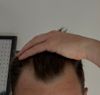
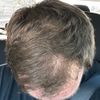
User tried microneedling with min and fin for hair loss, experienced inflamed scalp and dandruff. Recommends proper disinfection of microneedler to avoid issues.
A 52-year-old male with Multiple Sclerosis is considering using Finasteride and Testosterone Replacement Therapy (TRT) for hair loss but is advised to lose weight first to avoid side effects. He is currently focusing on diet, weight loss, and using Rogaine and microneedling for hair treatment.
The user has been using 5mg Minoxidil, 1.1mg Finasteride, and 1mg Biotin for four months to address hair loss. They haven't noticed significant improvement yet but are documenting progress with monthly pictures.
The user has been dealing with hair loss for 10 years, worsened by psoriasis, and uses minoxidil and finasteride. They seek advice on managing psoriasis and hair loss, with suggestions to see a dermatologist, try different shampoos, and be patient.
A user shared their experience on day 9 after a hair transplant, mentioning the use of vitamin E oil and conditioner to remove scabs. They received positive feedback on their progress and were advised to be patient for noticeable results in a few months.
A user experienced a dry, scaly scalp two weeks after microneedling with a dermapen at 1mm and applying Rogaine foam. They tried moisturizers and coconut oil without success and are seeking advice.
The user is attempting to create a topical finasteride solution by mixing crushed finasteride pills with minoxidil but is facing solubility issues. They are unsure if the finasteride has dissolved properly and are seeking advice on whether it is safe to use and if there is a solution to the problem.
The conversation emphasizes the need for patience when using finasteride for hair loss, as it can take up to 2 years to see maximum results, and results vary from person to person. Some users also discuss dosage adjustments and side effects, highlighting individual differences in response to the treatment.
Kintor apologized for using misleading images in their advertisements and promised stricter review processes. They are also considering developing a topical dutasteride formulation.
A user initially had side effects from finasteride, attributed them to anxiety and the nocebo effect, and after resuming the drug, experienced positive effects and now warns against misinformation about Post Finasteride Syndrome.
The user shared their one-year progress using finasteride, occasionally using topical minoxidil, and reported significant hair improvement, especially on the crown. They experienced no side effects and noted that finasteride addresses the underlying hormonal issue, while minoxidil promotes hair growth.
The user cannot tolerate oral finasteride and is considering topical finasteride, minoxidil, microneedling, and RU58841 as alternative treatments for hair loss. They seek advice on whether these options are worth trying.
Diffuse thinners find shopping challenging due to harsh overhead lighting, but H&M's side lighting in fitting rooms is more flattering. Many users humorously suggest banning overhead lighting to improve the shopping experience.
The conversation discusses whether rosemary oil can be applied directly to the scalp without dilution, with some users suggesting it is already diluted and safe to use. However, many emphasize that treatments like Minoxidil and Finasteride are more effective for hair loss, while rosemary oil is seen as less effective or a placebo.
A 21-year-old male experienced significant hair regrowth and thickening after eight months of using 2.5 mg oral minoxidil and 1 mg oral finasteride, along with keto shampoo and micro stamping. He reported no side effects and noted that improvements were most noticeable in months 7-8, particularly at the hairline and corners.
Gene editing for hair loss is not yet viable due to technological and economic challenges. Current treatments like Minoxidil, finasteride, and hair transplants remain the most practical options.
Hair loss changes are typically noticed over months or years, not days, and treatments like finasteride, dutasteride, and minoxidil require time to show effects. People often overreact to daily shedding, but realistic expectations and patience are necessary for hair regrowth treatments.
The user has been using 1mg finasteride and biotin-collagen supplements for 5 months, noticing some progress in hair regrowth. They also use various oils and shampoos, plan to start oral minoxidil, and seek advice on improving their hair care routine.
Hair loss affects mental health and self-esteem, causing anxiety and depression. Treatments like finasteride, minoxidil, and hair transplants help some, but others continue to struggle.
The user switched from finasteride to dutasteride in January and noticed increased crown thinning, despite using minoxidil with rosemary, biotin, and castor oil. They are concerned about hair loss and considering visiting a clinic for further advice.
A user shared their successful hair regrowth journey using finasteride, minoxidil, microneedling, and castor oil, highlighting the importance of persistence despite initial shedding. They reported no side effects and encouraged consistency in treatment.
The conversation humorously suggests that the hair loss industry, referred to as "Big Bald," deliberately delays a cure to profit from ongoing treatments like minoxidil, finasteride, and dutasteride. Participants debate whether a cure would be more profitable than current treatments, with some suggesting that the industry prefers continuous treatments for sustained profit.
PP405 is a new hair loss treatment facing mixed reactions due to initial hype and insufficient data. Some are hopeful, but many doubt its effectiveness compared to minoxidil and finasteride.
A person used hair fibers for 11 years to hide hair loss, which affected their social life. They had a hair transplant, improving their life, and recommend addressing hair loss directly.
A 44-year-old is experiencing rapid hair thinning after weight loss, despite using finasteride for two years. They have added minoxidil, vitamins, ketoconazole shampoo, derma stamping, and are considering PRP treatment while slowly introducing dutasteride.
Oral copper supplementation significantly improved hair regrowth for someone who experienced severe hair loss after stopping minoxidil, suggesting copper deficiency might hinder minoxidil's effectiveness. The user now only takes copper and occasionally uses microneedling, recommending others to try copper if minoxidil alone isn't effective.
The user experienced significant hair regrowth over four months using oral finasteride, oral minoxidil, micro-needling, and rosemary oil. They reported no side effects and emphasized the importance of continuing the treatment to maintain results.
PP405 shows promise for hair follicle reactivation with minimal side effects. Users recommend continuing Minoxidil and Finasteride until more results are confirmed.