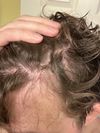
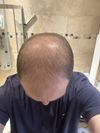
The user shared progress photos of hair regrowth using copper peptides and NAD+ over five months. Another user commented on the lighting, and another praised the progress.
A 40-year-old user shared their experience using finasteride and minoxidil for hair regrowth over a year, noting initial sexual side effects that improved after reducing the finasteride dosage. They also experienced scalp irritation from Rogaine, leading to reduced usage, and expressed satisfaction with the hair regrowth despite ongoing challenges.
A user reported noticeable hair regrowth using a 272 diode red light therapy hat over 11 months without Minoxidil or Finasteride. Opinions vary on its effectiveness compared to traditional treatments, with some suggesting combining therapies for better results.
The user shared their positive experience with hair loss treatment using minoxidil and finasteride over seven years, noting significant improvement and satisfaction despite some inconsistency with finasteride dosage. They reported minimal side effects, with a slight initial decrease in libido that later adjusted.
The user experienced significant hair regrowth using a combination of oral minoxidil and dutasteride over five months. They reported no side effects and noticed new hair growth, particularly around the hairline.
A user shared their hair regrowth progress using Dutasteride and topical Minoxidil over three years, noting significant improvements around 4-5 months and continued gains after a year. They reported no major side effects, only an itchy scalp, and emphasized the importance of patience and consistency.
The conversation discusses hair regrowth progress using 1mg oral finasteride and 5mg oral minoxidil daily over three years. Concerns about potential heart risks from minoxidil dosage are raised, with suggestions to consult a doctor and consider reducing the dose.
The user shared progress on hair regrowth using oral minoxidil and dutasteride over three months, expressing satisfaction with the results. The user emphasized the importance of starting treatment early upon noticing hair loss.
The conversation is about hair regrowth progress using oral dutasteride (DUT) and minoxidil (MIN) over three months, with significant improvement noted. Users discuss potential future results and share personal experiences with similar treatments.
Switching from finasteride and minoxidil to dutasteride and minoxidil can potentially lead to over 40% improvement in hair thickness in some cases, especially in young individuals who have plateaued after initial success. Generally, a 20% improvement is expected after six months.
A 22-year-old has been using dutasteride (0.5 mg daily) for over a year but is experiencing increased hair shedding, scalp inflammation, and burning, and cannot use minoxidil due to side effects. Suggestions include consulting a dermatologist, trying oral minoxidil, microneedling, rosemary oil, caffeine shampoo, and considering other treatments like PRP or red light therapy.
A 30-year-old male, using Finasteride for over six years, is experiencing increased hair loss despite a stable hairline. He increased his Finasteride dosage and ordered Ketoconazole and Minoxidil, but is concerned about long-term daily application and the impact on his confidence.
A 30-year-old man experienced significant hair regrowth using only oral finasteride over 1 year and 10 months, with no side effects except increased libido. He started seeing results around the 3-4 month mark and takes finasteride every 2-3 days now, believing he may lose hair if he stops.
A 31-year-old man successfully used oral minoxidil and finasteride for hair regrowth over eight years, experiencing minimal side effects like initial shedding and increased body hair. He credits these medications for preserving his hair despite a family history of baldness.
The user has been taking oral minoxidil (2.5mg) and finasteride (1mg) daily for over a year without seeing improvement in hair loss. They are considering trying topical treatments or derma stamping for better results.
The user experienced significant hair regrowth using topical Minoxidil and oral Finasteride over five months, with darker and thicker hair and new follicles appearing. They are considering waiting 1-2 years before deciding on a hair transplant, as further improvement is expected.
The user experienced significant hair regrowth using KX-826 (pyrilutamide) 0.9% over one year, despite initial shedding phases. They reported no side effects and have stabilized hair loss with consistent use.
The user experienced hair regrowth using oral finasteride and minoxidil once per day over 18 months, with noticeable improvements starting around month five. They reported no side effects from finasteride and found oral treatment more effective than topical.
The user experienced significant hair regrowth using finasteride 1mg and minoxidil 2.5mg daily over 8-9 months. They reported initial side effects but saw progress around months 7-8, attributing success to patience and consistent use.
The user reported hair regrowth using microneedling with a Dr.Pen Ultima M8 over six months, without additional treatments like minoxidil or finasteride. They followed a schedule of varying needle depths and noted lifestyle changes to reduce stress.
A 28-year-old male has been using oral finasteride and minoxidil for over a year without seeing significant results in hair thickness, particularly in the front. He is considering adding dermastamping to his routine and is exploring whether topical treatments might be more effective.
The user has been using a topical combination of finasteride and minoxidil for over three years, with added ketoconazole and biotin, and started microneedling six months ago, but sees limited progress mainly in the crown area. Suggestions include trying oral minoxidil, oral dutasteride, and considering a hair transplant if further improvement is not achieved.
A 20-year-old has been using finasteride and minoxidil tablets for over six months with minimal hair improvement. They also use topical minoxidil twice daily and recently started derma rolling, questioning if a hair transplant is necessary.
The user has been using finasteride for 4 months and minoxidil for over a year, experiencing significant hair loss and thinning. Others suggest it might be a shedding phase, with some users sharing similar experiences and eventual regrowth, while others express skepticism about the effectiveness of the treatments.
Significant hair regrowth was achieved using finasteride and 2.5mg oral minoxidil over a year, despite initial shedding. The treatment is recommended, though it may cause increased heart rate and body hair growth.
The user has been taking 1.25 mg of finasteride daily for over a year, noticing thicker hair and some regrowth. They plan to start using topical minoxidil, dermarolling, and mesotherapy before a hair transplant in February 2026.
The user used topical minoxidil and oral finasteride for hair loss treatment over nine months. They experienced significant hair growth, aided by a haircut that minimized attention to the hairline.
The user experienced hair regrowth using topical finasteride 1% and minoxidil 5% over four months, with no side effects and improved hair density. They initially experienced shedding, which was followed by regrowth, and they stopped dermarolling due to concerns about damaging new growth.
The user experienced significant hair regrowth after using oral and topical minoxidil and finasteride for over three months. They reported minimal side effects, such as facial hair growth and minor bloating, and are optimistic about continued progress.
Stemoxydine is highly recommended for hair loss, preferred over Minoxidil due to fewer side effects and dependency. The user also uses finasteride, Pur'ador shampoo, and suggests cold showers and spicy food as part of their routine.