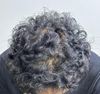
The conversation is about hair loss treatments, specifically using dermarolling, rosemary oil, and minoxidil. The user experienced side effects with finasteride and is considering alternative treatments.
OP used minoxidil for 15 months and pyrilutamide for 46 days, achieving desired results without side effects. Users discussed alternatives like dutasteride and finasteride, with concerns about side effects like erectile dysfunction.
The conversation is about finding a reliable Chinese source for pyrilutamide or RU58841, ideally with a third-party Certificate of Analysis from Janoshik Analytical. The user is seeking recommendations for these hair loss treatments.
A 19-year-old male is considering switching from topical to oral Minoxidil and finasteride due to unsatisfactory results but is concerned about potential side effects. It is suggested to start with low doses of oral versions to test tolerance, as they may be more effective but carry higher risks.
Pyrilutamide is believed to be more effective than RU58841 and 1 mg finasteride in treating hair loss, with no systemic hormonal effects and the potential to block more than 31% of scalp DHT. It may also antagonize scalp testosterone due to its action as an androgen receptor antagonist.
The conversation discusses using tretinoin cream with minoxidil for hair loss treatment. Users suggest applying them separately to avoid reducing effectiveness.
The conversation discusses skepticism about group buys for hair loss treatments, highlighting issues with unverified chemicals and the risks involved. It suggests stabilizing with dutasteride and minoxidil, and considering a hair transplant instead of experimenting with untested products.
The user has been using oral minoxidil and dutasteride for hair loss without success and is considering adding topical 17α-estradiol, Pyrilutamide, Clascoterone, or cetirizine. They have confirmed low serum DHT levels and are exploring additional treatments due to genetic sensitivity to DHT and prostaglandin D2.
The conversation discusses the variability in effectiveness of medications, including finasteride, and questions whether different manufacturers impact results. The user suggests sharing successful brands to help others identify effective options.
A 42-year-old male shared his hair regrowth progress using a regimen of oral dutasteride, topical minoxidil, and finasteride, along with testosterone injections. He experienced noticeable improvement in hair growth and expressed gratitude for the support and information from the community.
User on finasteride and redensyl serum sees progress, considers switching to minoxidil and topical finasteride mix. Another user claims topical mix is more effective than oral finasteride and has no side effects.
The conversation discusses transitioning from topical to oral minoxidil for hair loss treatment and explores the potential use of Aminexil, despite concerns about its effectiveness compared to minoxidil. It highlights the risks and side effects of oral minoxidil, such as potential heart and liver damage, and emphasizes the importance of monitoring blood pressure.
The conversation discusses using Minoxidil with Tretinoin and Fexofenadine for hair loss. Some users doubt its effectiveness, noting Fexofenadine's unproven results for androgenetic alopecia.
A user was prescribed a topical treatment for hair loss including Latanoprost, Minoxidil, Dutasteride, Hydrocortisone, and Progesterone, after using an oral Minoxidil and Finasteride combo without significant results. Concerns were raised about the long-term use of hydrocortisone, with suggestions to consult a doctor regularly.
Being overweight may increase finasteride side effects due to higher aromatase activity converting testosterone to estradiol. Maintaining a healthy weight could reduce these side effects.
The conversation discusses whether to continue or stop oral minoxidil for hair maintenance, with OP using spironolactone, oral and topical minoxidil, finasteride, and ketoconazole shampoo. It is suggested that stopping oral minoxidil might not cause significant hair shedding if topical treatments continue, but oral minoxidil is generally more effective for most people.
Minoxidil 5% is no longer effective for the user, who is considering stronger minoxidil or oral options despite availability issues. Suggestions include trying minoxidil 15%, oral minoxidil, microneedling, and exploring other treatments like finasteride and dutasteride.
_the_orange_box_'s experience using oral minoxidil, with discussion about finasteride and the potential side effects of both treatments. Other users shared their own experiences related to hair loss treatments.
Pyrilutamide is seen as effective for maintaining hair without regrowth, while Minoxidil is known for growing new hair but causes shedding of old hairs. There is a question if using Pyrilutamide would inhibit the hair regrowth effects of Minoxidil.
A person with androgenetic alopecia has seen hair improvement using oral minoxidil and finasteride but is concerned about increased body hair. They want to know if stopping minoxidil while continuing hormone replacement therapy and finasteride will cause hair loss.
The conversation is about using tretinoin with a topical finasteride/minoxidil spray for hair loss. The user seeks information on combining tretinoin with their current treatment.
The conversation discusses dosing for 1000mg Pumpkin Seed Oil tablets and compares its DHT-lowering effects to finasteride. The user considers splitting the tablets to achieve a 500mg dose.
The conversation discusses the effectiveness of anti-androgens for hair loss, with a preference for topical treatments like RU58841 over oral options due to better scalp concentration and fewer side effects. Topical finasteride at 0.1% may provide some results, especially when combined with a topical androgen receptor antagonist like RU58841.
The conversation discusses combining oral dutasteride with topical finasteride to further reduce scalp DHT levels for hair regrowth. Users debate the effectiveness and safety of this combination, with some suggesting alternatives like topical antiandrogens such as RU58841, fluridil, and alfatradiol.
The conversation discusses hair loss treatments, mentioning minoxidil, finasteride, RU58841, VDPHL, GT20029, and follicle cloning as potential solutions. It also reveals that the discussion about PP405 was an April Fool's joke.
A user stopped using RU58841 after discovering their girlfriend's unplanned pregnancy, expressing concern about potential harm to the baby. Others advised consulting a doctor, waiting for health scans, and considering switching to oral finasteride or natural supplements like saw palmetto.
The conclusion of the conversation is that the user, General-Switch-5722, has been using finasteride and minoxidil for over 2 years but is still experiencing hair loss. They are considering adding a low dose of RU58841 or topical dutasteride as potential treatments. Other users in the conversation have suggested switching to dutasteride or using oral minoxidil.
The user has been taking 2.5mg of minoxidil daily for 8.5 months without noticeable change and is considering increasing the dose or taking it twice daily. They are aware that many people start with 5mg and are contemplating adjusting their regimen.