Hair loss discussion involves treatments like Minoxidil, Finasteride, and RU58841. Stemoxydine may be effective, but results may take at least 3 months due to hair cycle.
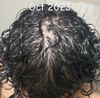
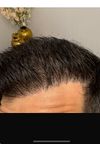
The user shared progress pictures after 80 days on oral minoxidil, noting improvement despite some shedding and no side effects. The discussion included comparisons between oral and topical minoxidil, with some users preferring oral for convenience and effectiveness.
Finasteride may have positive effects by keeping testosterone levels higher, potentially maintaining youthfulness and physical performance as one ages. It could also help with conditions related to aging like andropause and sarcopenia without increasing estradiol levels.
The conversation discusses stopping oral minoxidil after 2 years and using rosemary/peppermint oil instead, with the concern of losing hair gains. Replies suggest that switching to oils will result in losing all the hair gains achieved with minoxidil.
The conversation discusses using minoxidil with retinol for hair loss treatment. Users share their experiences and opinions on the effectiveness of this combination.
, you can find it online with a script
This user was discussing their progress with hair loss treatments including 5mg oral Minoxidil and combining 3mg oral Minoxidil with MTF HRT. They also discussed side effects of increased body hair in other parts of the body.
Dutasteride is associated with increased blood glucose, HbA1c, LDL cholesterol, and liver enzyme activity, potentially leading to diabetes, NAFLD, and liver metabolism changes. The conversation highlights concerns about these adverse effects and calls for more studies, including on finasteride.
User experienced telogen effluvium and diffuse thinning, started using 5% minoxidil two months ago, and resolved several deficiencies. They report noticeable improvement in hair health and plan to update progress in a month.
Minoxidil non-responder seeks experiences with combining tretinoin or stemoxydine for hair loss treatment. Asks if anyone saw results after adding these products.
Oral minoxidil is considered a safe and effective treatment for hair loss at low dosages, with minimal cardiac risks. Users report positive results, though some experience side effects like increased heart rate and skin changes, and consulting a doctor is advised.
The user is experiencing scalp irritation from using RU58841 with a 70% ethanol and 30% propylene glycol vehicle and is considering switching to a less irritating vehicle, such as 30% ethanol with 70% squalane or emu oil. They are seeking feedback on the effectiveness and irritation levels of these alternative carriers.
The user switched from finasteride to dutasteride while continuing minoxidil and microneedling, seeing gradual hair regrowth. They are considering adding oral minoxidil and possibly a LLLT helmet for further improvement.
A 20-year-old male experienced mental fog after resuming topical minoxidil for hair loss, questioning if it's due to interactions with antidepressants. Suggestions included trying a lower concentration of minoxidil or alternatives like copper peptides.
Dutasteride users have mixed results in hair loss treatment, with some experiencing improvements and others worsening. Some report metabolic changes like weight gain or diabetes, while others have no significant side effects.
A 20-year-old is experiencing hair thinning despite using minoxidil inconsistently for 1.5 years and is considering adding finasteride due to concerns about side effects. They are unsure whether to increase minoxidil application, start finasteride, or if the hair loss is exaggerated in their perception.
Minoxidil users discuss skin-care routines to counteract side effects like dark circles and dull skin. Recommendations include vitamin C, potassium, collagen, retinol, nizoral shampoo, and emu oil.
A user shared their positive experience with a clinical trial for a new oral medication, VDPHL01, which is a reformulated version of oral minoxidil taken at a high dose of 17mg daily, showing significant hair regrowth after six months. The user noted that this formulation is believed to be more effective and time-released, with fewer side effects compared to regular oral minoxidil.
A user experienced increased hair fall after switching from a minoxidil, tretinoin, and azelaic acid combo to minoxidil only. They are concerned if the shedding is normal or due to stopping tretinoin and azelaic acid.
The conversation discusses a hair loss treatment formulation containing cyclosporin, minoxidil, and tacrolimus, and mentions ongoing research on hair color reversal. The treatment showed high efficacy in restoring hair color in trials with 40 to 50 people.
Redensyl, which is a topical alternative to Minoxidil for hair loss. It may have advantages such as not making the hair greasy and lasting longer after discontinuing use than minoxidil. There are some positive reports from users, but also some negative ones, so it's unclear how effective this treatment will be in comparison to Minoxidil and other treatments like Finasteride or RU58841.
The user has been using a hair regrowth regimen for 9-10 months, including topical finasteride and minoxidil, various oils, and supplements like multivitamins and omega-3. They observed fine hairs returning and a change in scalp texture after adding cinnamon oil, questioning if this indicates positive hair regrowth.
An 18-year-old experienced initial hair improvement with minoxidil but noticed increased shedding after surgery and lifestyle changes. They suspect iron deficiency and are seeking other possible explanations for the hair loss.
Mixing RU58841 with minoxidil compounded with tretinoin is discussed, with concerns about systemic absorption. Topical dutasteride and finasteride are also mentioned as treatments, with varying personal experiences and concerns about side effects.
The user feels their hair is stronger despite no visual change after using Finasteride for 9 months and Minoxidil for 7 months, and plans to add microneedling. Other users share similar experiences, suggesting combinations like Finasteride with Dutasteride and Minoxidil with Tretinoin for better results.
Transplanted hairs are thinning after switching from topical to oral minoxidil, with increased shedding and miniaturization. The user is considering reintroducing topical minoxidil and has started using ketoconazole shampoo.
A 19-year-old concerned about long-term effects of 5AR inhibitors on physical appearance. They have used finasteride and plan to try dutasteride or RU58841; responses suggest improved skin, hair, and confidence.
Minoxidil may not be effective due to low sulfotransferase activity, and the user considers adding tretinoin to the regimen. They are unsure about the timing and combination with microneedling.
A 29-year-old male on 1 mg Finasteride for 3 months has experienced a significant increase in testosterone and estradiol levels, with no major side effects except slightly oilier skin and increased emotional sensitivity. The user is concerned about these hormonal changes and seeks advice, as their general practitioner is not knowledgeable about the issue.
The conversation discusses the appearance and testing of RU58841 powder for hair loss treatment. Users also mention side effects of RU58841 and suggest alternatives like dutasteride and minoxidil.
Adding tretinoin can enhance the effectiveness of minoxidil by increasing sulfotransferase levels, making it beneficial for hair growth. However, it may not be necessary if using oral minoxidil.