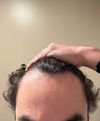
The user is seeking a substitute for Tretinoin to enhance the effectiveness of Minoxidil for hair loss. They are considering using Retinol as an alternative.
2 Deoxy D Ribose may promote hair growth and aid wound healing, potentially enhancing microneedling effects. Users discuss its combination with microneedling for better hair growth results.
Stemoxydine may work synergistically with minoxidil and finasteride for hair growth, but its effectiveness is debated, with some users experiencing minimal results and concerns about cost. Users suggest sticking to proven treatments like minoxidil and finasteride, while considering stemoxydine as an additional option.
The user experiences heavy shedding after one year of using 1mg oral finasteride and twice-daily topical minoxidil, recently adding microneedling and daily Nizoral. They also take supplements like vitamin D and biotin.
The user has been using finasteride and minoxidil for almost 2 years with maintenance but no significant regrowth. After adding tretinoin 2 weeks ago, they experienced increased shedding and are seeking advice on whether this is a positive sign.
Using Minoxidil and Retinol together is generally safe, but caution is advised if adding Retinol to a topical hair solution, as excessive Retinol can lead to hair loss, especially with sun exposure.
Tretinoin combined with minoxidil may improve hair regrowth, especially in difficult areas like temples, but requires diligent scalp cleaning. Some users suggest oral minoxidil as a more potent and less irritating alternative.
A user is considering an extensive hair loss treatment regimen including oral dutasteride, oral minoxidil, topical finasteride, tretinoin, microneedling, keto shampoo, laser comb, and PRP injections. Suggestions include simplifying the routine, possibly increasing minoxidil dosage, and considering alternatives like RU58841, while cautioning against using estrogen due to potential side effects.
The conversation discusses hair loss treatments, specifically Minoxidil, finasteride, and RU58841. Concerns are raised about the lack of studies on RU58841 and its potential effects.
A 20-year-old is experiencing hair thinning and is considering Clascoterone and Minoxidil as treatments, avoiding finasteride due to concerns about fertility and hormones. A suggestion was made to use Clascoterone for local DHT targeting and combine it with Minoxidil for maintenance and regrowth while avoiding systemic side effects.
The user stopped using oral minoxidil due to shedding and is continuing with oral finasteride and hair vitamins. They are advised that shedding is temporary and to maintain finasteride use, with examples of others successfully managing hair loss with similar treatments.
The user has been using topical minoxidil for over a year and added kx826/pyrilutamide to improve hair growth, avoiding finasteride due to side effects like lowered libido and panic attacks. They report positive results with reduced shedding and healthier hair, particularly in areas previously unresponsive to minoxidil.
The conversation discusses using Stemoxydine, a hair growth stimulant considered weaker than Minoxidil, and questions whether applying it twice daily could improve results similar to twice-daily Minoxidil applications.
Significant hair regrowth was achieved using RU58841, minoxidil, and microneedling during a high-dose steroid cycle. The user reported no side effects from RU58841 and plans to continue the regimen.
A user discusses their hair thinning journey, starting minoxidil at 16, switching treatments, and experiencing significant shedding after resuming minoxidil. They are now using minoxidil daily and considering PRP if shedding continues, while also planning lifestyle changes to improve their condition.
The conversation discusses the use of low-dose oral minoxidil for hair loss and its potential effects on skin aging. Users shared experiences, with some noting side effects like puffy eyelids and dark circles, but no conclusive evidence of significant collagen depletion or increased wrinkles.
The conversation is about making topical finasteride using ethanol. The user is advised to use non-denatured or food-grade ethanol, as denatured ethanol may be harmful with prolonged skin exposure.
The user experienced initial regrowth with finasteride and minoxidil but is now facing increased hair thinning, possibly due to a second shedding phase. They are considering increasing finasteride dosage or adding dutasteride, despite availability issues, and have started microneedling.
The user experienced hair shedding after increasing minoxidil from 5% to 7% with latanoprost, possibly causing telogen effluvium. They are on HRT with Lupron, Estradiol, and Raloxifene, and are concerned about the shedding's duration.
Minoxidil may cause fine lines and dark circles, but effects might be reversible with retinol. Users report mixed experiences, with some noticing skin changes and others not.
OP is considering making a 5% topical Clascoterone (Breezula) for hair loss, as they use Minoxidil but can't use Finasteride due to side effects. They seek advice on creating the topical safely, possibly with help from a trained chemist.
The user has been using finasteride and minoxidil for hair loss but experienced worsening temple recession. They suspect they might be more sensitive to testosterone and are considering trying RU58841 or CB 03 01 as additional treatments.
A user is concerned about weight loss stagnation while using minoxidil and finasteride during a calorie-cutting diet. Responses suggest water retention or a weight loss plateau as possible causes.
Minoxidil may not be effective due to low sulfotransferase activity, and the user considers adding tretinoin to the regimen. They are unsure about the timing and combination with microneedling.
A user started taking 0.625mg oral minoxidil daily for hair loss, increased the dose to 1.25mg, and experienced a significant shed, losing 70% of scalp density. They cannot tolerate finasteride due to side effects but are hopeful for hair regrowth despite the shedding.
Switching from topical to oral minoxidil led to significant hair shedding, with increased dutasteride usage possibly contributing. Users suggest that dosage changes can cause shedding, but hair often regrows stronger.
Some people may not respond to topical minoxidil due to low SULT1A1 enzyme activity, but oral minoxidil can be effective. Tretinoin may enhance minoxidil's effectiveness, and some users prefer oral minoxidil despite side effects.
The conversation discusses making topical finasteride at home, questioning the necessity of removing the pill's coating before use. Users suggest that the coating isn't harmful, and finasteride dissolves in ethanol, with some recommending filtering out the coating and fillers.