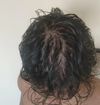
The conversation discusses using azelaic acid to reduce scalp inflammation while using RU58841 for hair loss. It suggests applying azelaic acid in the morning and RU58841 at night to avoid degradation, while also using dutasteride and minoxidil.
DUPA and retrograde alopecia may not be solely DHT-based, and a biopsy is crucial for accurate diagnosis and treatment. Treatments mentioned include dutasteride, oral minoxidil, pioglitazone, clobetasol, calcipotriol, ketoconazole, and doxycycline, depending on the specific condition.
The conversation discusses the effectiveness of combining tretinoin with minoxidil for hair loss. The user notes better results from microneedling rather than the tretinoin and minoxidil combo.
The user has been using topical minoxidil with tretinoin for 9 months without much regrowth and suspects finasteride is responsible for any improvement. They are inquiring about tests to determine response to topical minoxidil and seeking advice on switching to oral minoxidil, including potential side effects and monitoring requirements.
Combining minoxidil 5%, tazarotene 0.1% cream, and lumigan for hair loss treatment is discussed. The conversation focuses on the safety and effectiveness of using these treatments together.
Hair regrowth was achieved using minoxidil, nizoral, alfatrodial, and pyrilutamide after finasteride caused side effects. The user recommends this combination for those who can't tolerate 5AR inhibitors, stressing consistent use.
The conversation discusses hair loss treatments, specifically Stemoxydine from Vichy, and mentions alternatives like Minoxidil, finasteride, and RU58841. The user is seeking a more affordable option than L'oreal Serioxyl.
The user has stopped hair loss using topical finasteride, dutasteride, minoxidil 5%, and a GHK-Cu melatonin caffeine blend. They are considering switching to a more potent minoxidil, specifically Dualgen 15%, for better regrowth results.
The conversation discusses a hair loss treatment regimen that includes Dutasteride, oral and topical Minoxidil, Tretinoin, dermarolling, Nizoral, salicylic acid shampoo, vitamins, and possibly The Ordinary Multi-Peptide Serum. Some responses suggest the regimen might be excessive, while others believe it is sufficient, especially with Dutasteride.
PP405 is discussed as a potential adjunct therapy for hair loss, with skepticism about its effectiveness and trial results. Users mention combining it with finasteride and minoxidil for better results, while others debate the root causes of hair loss and the limitations of current treatments.
A 24-year-old experiencing severe hair thinning has been using minoxidil for 2 years but is still shedding hair. A doctor recommended plasma treatment over a DHT blocker for better and healthier results.
The conversation is about the effectiveness of topical azelaic acid in blocking DHT for hair loss treatment. Specific treatments discussed include Minoxidil, finasteride, and RU58841.
A user saw no results from using minoxidil and microneedling for 1.5 years and is considering trying tretinoin. They are seeking others' experiences with tretinoin for hair loss.
The conversation discusses using minoxidil with microneedling and considering tretinoin to enhance hair growth, especially for those who are weak responders to minoxidil. It also explores the potential of using tazarotene, a stronger retinoid, to boost minoxidil's effectiveness and addresses purchasing tretinoin from Germany.
A 68-year-old is experiencing increased hair loss despite using Minoxidil and is seeking alternative treatments. Suggestions include considering finasteride or RU58841 as potential options.
The conversation discusses the potential benefits and risks of participating in the PP405 hair loss trials, emphasizing that those using Minoxidil or finasteride are less likely to be accepted. Participants are interested in the trial as it offers hope for effective treatment without the side effects associated with current medications.
Despite using treatments like Dutasteride, Minoxidil, RU58841, and GHK-Cu injections, the individual continues to experience aggressive hair thinning and is seeking a specialist for further help. Suggestions include trying finasteride, dermarolling, or another hair transplant.
PP405, developed by Pelage Pharmaceuticals, can reactivate dormant hair follicle stem cells and increase hair growth by 20% in eight weeks, unlike minoxidil or finasteride. However, skepticism remains about its effectiveness and availability, with concerns about funding and the timeline for broader access.
PP405 may help with hair regrowth, especially when combined with minoxidil and finasteride, but its long-term effectiveness is unclear. Phase 3 trials are expected to begin soon, with results in a few years.
A 19-year-old is experiencing hair thinning and considering using RU58841 alongside minoxidil, which initially worked but lost effectiveness. Others advise caution, suggesting safer alternatives like topical finasteride and consulting a doctor before using unapproved treatments like RU58841.
A manager told an employee to stop using minoxidil, fearing it could unintentionally cause hair growth in others. The conversation is filled with humorous and sarcastic responses, questioning the manager's logic and suggesting the employee continue using the treatment secretly.
A 51-year-old on TRT plans to use steroids and is concerned about hair loss, considering topical treatments like Hair Rescue with RU58841 and finasteride, along with Nioxin shampoo. They are cautious about using oral DHT blockers due to potential interactions with steroids like Tren and Anavar.
The user experienced scalp inflammation and rapid hair loss after using minoxidil, despite initial success. Suggestions included switching to minoxidil foam, using oils, trying aspirin, and considering RU58841 for inflammation and hair loss management.
The conversation discusses using minoxidil foam as a solvent for topical finasteride. Ingredients of minoxidil foam include butane, cetyl alcohol, glycerin, and purified water.
A user seeks a topical hair loss treatment without minoxidil, considering options like finasteride, dutasteride, caffeine, tretinoin, or prostaglandin analogues. Recommendations include products like Strut, Maximus, Zeuss, and custom formulas from compounding pharmacies.
Elevated liver enzymes were reported from taking finasteride and minoxidil. The doctor advised stopping oral minoxidil and taking finasteride every other day.