PP405 is suspected to be a scam, with users doubting its legitimacy and effectiveness. Many recommend using proven treatments like finasteride and minoxidil.
The conversation is about whether to use gloves when applying 5% RU58841 to avoid systemic absorption and if washing hands with water is sufficient. Users question the concern, noting it is applied to the scalp.
Concerns about CosmeRNA safety mechanisms and potential side effects. Discussion includes comparisons to Fluridil and questions about nanoparticle specificity and siRNA stability.
Oral minoxidil is effective for hair loss and unlikely to significantly affect collagen synthesis, making it a safe option without causing premature skin aging. Users report positive hair regrowth without noticeable skin aging.
The user experienced side effects from oral minoxidil and is seeking alternatives like Stemoxydine, Aminexil, and Redensyl + Procapil. They have been using finasteride for four years and are considering other treatments due to concerns about side effects.
The conversation discusses optimizing sulforaphane in broccoli sprouts by soaking them in water at 74 degrees Celsius for 10 minutes. It also mentions hair loss treatments like Minoxidil, finasteride, and RU58841.
The conversation discusses using minoxidil, finasteride, a dermastamp, and botanical oils like peppermint, rosemary, and pumpkin seed oil for hair growth. The user is considering using Alpha Infuse, which combines microneedling with plant oils, to enhance results.
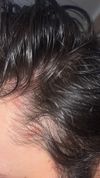
The user is experiencing scalp irritation and hair thinning, possibly due to stress, with red patches on the face and dry skin. They are considering seeing a dermatologist and have used tea tree and rosemary oil.
The conversation is about someone who had success using retinol with minoxidil for hair growth, but experienced shedding with Retin A (tretinoin). They are asking if others have tried retinol with minoxidil and what their results were.
Orient Bio is developing a PLGA formulated version of Cyclosporine A to stimulate hair growth without its immunosuppressant effects. Users discuss various treatments like Clascoterone, PP405, minoxidil, and tacrolimus, expressing hope for new developments and sharing personal experiences with these treatments.
Alfatradiol is considered safe but less effective than finasteride for hair loss. One user reported subtle regrowth using alfatradiol with finasteride and minoxidil, while another found alfatradiol ineffective.
Triple Hair's TH-16, a product claimed to be more effective than Minoxidil 5%, has been released; it contains melatonin and resveratrol. One user reported success with topical melatonin and dermarolling.
The user resumed finasteride and added 5mg oral minoxidil and biotin, noticing quick progress in hair regrowth. Other users discuss dosages and express surprise at the results.
Hair loss discussion involves treatments like Minoxidil, Finasteride, and RU58841. Stemoxydine may be effective, but results may take at least 3 months due to hair cycle.
Hair loss is worsening despite using finasteride, oral minoxidil, and rosemary oil, possibly due to stress, hormone changes, and environmental factors. Improvement was noted with a soft water filter, but recent stress may have exacerbated the issue.
The conversation discusses making oral minoxidil from minoxidil powder as a backup plan due to the unavailability of packaged oral minoxidil in Turkey. The user has a capsule machine and some chemistry knowledge but lacks professional equipment.
PP405 is expected to be more expensive than finasteride and minoxidil initially due to patent protection, but not as costly as life-saving medications like Ozempic. The price may decrease after the patent expires, but initially, it might be around $100 per month, making it potentially unaffordable for many.
The conversation is about a person's 6-week progress using 2.5 mg oral minoxidil, 0.5 mg dutasteride, weekly derma stamping at 1.5 mm, and rosemary oil for hair loss, with some initial shedding but no side effects. They are optimistic about future results.
The conversation discusses using minoxidil with retinol for hair loss treatment. Users share their experiences and opinions on the effectiveness of this combination.
A user accidentally ingested minoxidil instead of melatonin, leading to a humorous discussion about similar mix-ups and the effects of minoxidil. The user now stores the bottles separately to avoid future mistakes.
The user has been using finasteride and minoxidil for hair loss but experienced worsening temple recession. They suspect they might be more sensitive to testosterone and are considering trying RU58841 or CB 03 01 as additional treatments.
The user is seeking advice on which treatment to add to their current regimen for male pattern baldness. They have previously tried Dutasteride, Nizoral, and oral Minoxidil, but experienced continued hair loss. They are specifically asking for experiences with RU58841, Stemoxydine, or Alfatradiol.
Using Minoxidil and Retinol together is generally safe, but caution is advised if adding Retinol to a topical hair solution, as excessive Retinol can lead to hair loss, especially with sun exposure.
The conversation warns against buying RU58841 from Amazon due to concerns about product authenticity and recommends purchasing from trusted sources like Minoxidilmax and Anageninc.
A user reported less hair shedding using melatonin spray and is considering trying topical oxytocin or estrogel for hair growth, but is concerned about potential side effects like breast development. Topical oxytocin has been found to promote hair growth by increasing growth factors.
Minoxidil can cause face bloating, especially when combined with microneedling, as it may increase systemic absorption. Alternatives like Stemoxidine or Aminexil are considered, and some users find relief by adjusting application timing or switching brands.
The conversation discusses skepticism and diminishing excitement around the hair loss treatment PP405 due to unclear trial results. It also mentions other treatments like finasteride, minoxidil, VDPHL01 (extended-release minoxidil), and GT20026 as potential options for hair loss management.