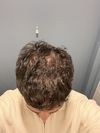
Hair loss user increased oral minoxidil dose, causing more shedding. Uses 1mg finasteride, Lonitab, and Stemoxydine 5%, expects denser hair in a few months.
A user shared their positive experience with MoriTint, a Korean scalp micro pigmentation technique that enhances the appearance of hair density without being permanent. They now offer this service in Los Angeles and emphasize its benefits for those with thinning hair, while clarifying it is not suitable for those with significant hair loss or baldness.
Switching from alcohol-based to aqua-based minoxidil is discussed, specifically Cosmofix Minofix 5%. Users share experiences and opinions on the effectiveness and side effects of the switch.
The user started using 5% liquid minoxidil on their scalp and noticed increased facial dryness and faster facial hair growth. They plan to reduce the application to once a day to see if it helps with the dryness.
A user is seeking a UK source for a combined minoxidil and RU58841 solution that doesn't contain scalp-irritating ingredients. They specifically want a product without propylene glycol (PG).
The user is experiencing scalp irritation from using RU58841 with a 70% ethanol and 30% propylene glycol vehicle and is considering switching to a less irritating vehicle, such as 30% ethanol with 70% squalane or emu oil. They are seeking feedback on the effectiveness and irritation levels of these alternative carriers.
Using tretinoin with minoxidil can cause burning and flaky skin due to alcohol in minoxidil and tretinoin's effects. Solutions include using minoxidil foam, starting with low tretinoin doses, moisturizing, and gradually increasing usage.
The conversation discusses the effectiveness of Regenera Activia stem cells versus Cellgenic exosomes for hair loss treatment. The user has been using topical minoxidil 5% and 0.001% estradiol for a year without results.
A user shared their positive experience with hair regrowth using finasteride, genuine minoxidil, and dermastamping, noting significant improvement after switching from a fake minoxidil product. They advised others to verify the authenticity of minoxidil through a bleach test to avoid counterfeit products.
Creating a propylene glycol-free Minoxidil and Tretinoin solution to reduce skin irritation and enhance effectiveness. An emulsifier like lecithin can help mix Tretinoin properly, and Minoxidil foam is an alternative without propylene glycol.
The user experienced rapid hair thinning on top of the head after two GFC treatments, despite using topical minoxidil for four years. Hair on the sides and back became thicker, leading to confusion and questioning of the treatment decision.
A 68-year-old is experiencing increased hair loss despite using Minoxidil and is seeking alternative treatments. Suggestions include considering finasteride or RU58841 as potential options.
Rhamnose may promote hair growth and pigmentation, suggesting it as a potential hair loss treatment. The conversation discusses its potential alongside known treatments like Minoxidil, finasteride, and RU58841.
The user started using EssenGen 6-Plus, containing 6% minoxidil and 0.05% finasteride, along with 1% Nizoral shampoo, and reported noticeable hair growth in 7 weeks. They experienced some chest tightness but are monitoring it, and they are satisfied with the progress despite using a silicone-containing shampoo.
A 25-year-old is using vinpocetine to enhance the absorption of topical Minoxidil for hair loss. They also use a hair tonic and supplement with Glycine, Taurine, Creatine, and Citrulline.
The user is experiencing hair loss, possibly due to androgenic alopecia or telogen effluvium, and is considering treatments like Minoxidil, Finasteride, or RU58841. They also mention potential iron deficiency and sleep deprivation as contributing factors.
Hair transplant recipients are concerned about whether dormant follicles are permanently damaged by incisions, but some believe undamaged follicles could still regrow if a treatment like PP405 is effective. Opinions vary on the impact of transplants on original follicles, with some suggesting treatments like finasteride can help regrow hair.
The conversation is about a user who tried dissolving a metformin pill in water for hair treatment but faced issues with hair sticking together. The user is seeking advice on preparing a non-irritating, non-sticky lotion at home, possibly experimenting with metformin and Alpha Keto glutarate.
The conversation discusses using a dermastamp for microneedling to treat hair loss, focusing on needle length and frequency. Users share their routines, including applying minoxidil after microneedling, with some waiting 24 hours to avoid side effects.
The user is using oral finasteride and minoxidil 2mg for hair loss and is considering adding a scalp serum with caffeine, but is concerned it might interfere with minoxidil. They seek advice on maintaining a hydrated, non-oily scalp.
The user wants to donate plasma to save for a hair transplant but can't take finasteride or dutasteride due to plasma center restrictions. They are considering using minoxidil and biotin instead and are seeking advice on alternative treatments.
The user has been using 5% minoxidil, finasteride, and dutasteride, along with microneedling and ketoconazole, to treat hair loss, showing significant progress over a year. Side effects mentioned include brain fog, watery semen, and facial dryness.
Foam minoxidil may be a good alternative for those who experience irritation from liquid minoxidil, though opinions on its effectiveness vary. Some users suggest oral minoxidil as a more effective option with fewer side effects at low doses, while others recommend foam or alcohol-free topical versions for sensitive scalps.
A 27-year-old is experiencing significant hair loss despite using a combination of 0.5mg dutasteride daily, topical minoxidil, nizoral shampoo, and vitamin D optimization, and is now starting zinc supplementation. Suggestions include considering other causes, possibly increasing dutasteride dosage, switching to oral minoxidil, or maintaining the current regimen and reassessing in six months.
A 23-year-old male plans to temporarily stop finasteride to donate plasma for financial reasons and seeks alternative hair loss treatments like minoxidil, ketoconazole, or RU58841 during this period. He is open to suggestions to prevent further hair loss until he can resume finasteride.
Liquid minoxidil caused mild seborrheic dermatitis on the user's eyebrows, likely due to propylene glycol. The user is considering switching to foam or oral minoxidil to avoid irritation on the scalp/temples.
The conversation is about using Tretinoin with Minoxidil for hair loss treatment, discussing the effectiveness and personal experiences with different concentrations. The image linked in the post received negative reactions for being unpleasant.
AB-103, a minoxidil sulfotransferase stimulant, is discussed as a potential hair loss treatment. Users inquire about effective boosters for hair growth.
User noticed beard and sideburn hair loss, and thinning eyebrows, diagnosed with alopecia barbae and male pattern baldness, and prescribed Desonide cream. User seeks feedback on Desonide cream.