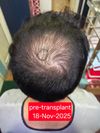
The conversation discusses hair loss treatments using oral minoxidil, oral dutasteride, and mesotherapy dutasteride, showing impressive 6-month results. The user wishes these treatments were available in the U.S.
Jordan-Iliad has been using a combination of finasteride, minoxidil, stemoxydine, microneedling, saw palmetto, peppermint and jojoba oils, ketoconazole shampoo, and Purador shampoo/conditioner for 3 months to treat their hair loss with stunning results. They have also recently started taking oral minoxidil 1.25mg/day in hopes of achieving even better results over the next 3 months.
A user shared their 1.5-year experience using Minoxidil, a derma roller, and hair oil for hair loss, noting significant improvements in hair health and density. They also emphasized the importance of a healthier lifestyle and the positive impact of using a product combining Minoxidil with plant extracts.
The user is experiencing worsening hair loss despite using finasteride and is advised to add minoxidil to their treatment. Concerns about side effects and the effectiveness of combining finasteride and minoxidil are discussed.
The conversation discusses microneedling techniques and the use of Minoxidil, copper peptides, EGF, FGF, ceramides, and hydration serums to enhance hair growth. It explores optimizing scalp conditions and the potential benefits of various compounds in conjunction with microneedling.
Using Tretinoin every other day with daily Minoxidil may help with hair regrowth, and some users find it more effective than daily use. There are concerns about irritation and absorption, but small amounts seem to minimize harm.
The user is discussing their hair regrowth progress after using oral Minoxidil (2mg daily) and Finasteride (1mg daily) for about five months, along with support supplements like Vitamin D, Biotin, and Omega 3. Suggestions include replacing Finasteride with Dutasteride and increasing Minoxidil dosage, while also considering microneedling and scalp massage for better results.
The conversation discusses a new hair growth product combining rosemary oil, castor oil, argan oil, and jojoba oil. It also mentions the use of Minoxidil, finasteride, and RU58841 for hair loss treatment.
The user experienced significant hair regrowth after resuming treatment with oral minoxidil and dutasteride, following an initial period of using finasteride and minoxidil. They noted improvements in hair density and pigmentation, attributing the progress to consistent use of these treatments.
The user shared a 4-month update on their hair loss treatment, using 2.5 mg OM daily, 0.5 mg Dutasteride three times a week, and a multivitamin with biotin. They provided progress pictures to show their results.
Improving hair health involves not only using treatments like finasteride, minoxidil, and ketoconazole but also focusing on a healthy lifestyle, including diet, exercise, and stress management. A balanced approach enhances treatment effectiveness and overall well-being.
The user shared their hair transplant progress, using saw palmetto, vitamins, biotin, zinc, ginseng, ozonized olive oil, and a dermaroller with serum. They avoid finasteride due to trying for a second child.
Treating androgenic alopecia with minoxidil, finasteride, and antiandrogens, alongside exercise, cryotherapy, and natural substances to stimulate cold receptors for better hair growth. The method focuses on enhancing treatment effectiveness by considering environmental and behavioral factors and the role of cold receptors and muscle stress.
After 3 months of using 5% topical minoxidil once a day and additional natural oils, a user reports good hair regrowth and is considering adding topical finasteride. They also use 0.5mm microneedling once a week.
The user is taking oral minoxidil, dutasteride, and finasteride but hasn't seen improvement in hair thickness. They experienced hair loss after switching from topical to oral minoxidil.
The conversation is about a person starting a hair loss treatment regimen including 1mg finasteride, 2ml minoxidil twice daily, dermarolling with a 1mm needle, and taking vitamin C, biotin, and vitamin D3. They plan to share their results in 6 months to a year.
A 28-year-old male shares his 7-month progress after a crown hair transplant, using topical minoxidil foam, finasteride, and microneedling. He seeks feedback on whether his crown's progress is typical and if further thickening is expected between months 7 and 12.
Visible hair improvement after 10 weeks using minoxidil, estradiol enanthate, acetophenide algestone, and bicalutamide. The user is a 25-year-old male with reduced testosterone levels, expressing a preference for less masculinity.
A male with early-stage hair loss experienced severe side effects, including sexual dysfunction from finasteride and increased heart rate and fatigue from high-dose minoxidil, leading to discontinuation of both treatments. He is now relying on DHT-blocking shampoos and awaiting new treatments.
The conversation is about a person experiencing significant hair loss in the donor area after a hair transplant, with others suggesting it might be shock loss. The person is taking oral minoxidil and dutasteride to help with the issue.
The conversation is about the order of applying minoxidil in a skincare routine, specifically whether to apply it before or after witch hazel and moisturizer. The user is concerned about the lotion interfering with minoxidil absorption.
A user shared their 2-month progress using oral and topical minoxidil, oral finasteride, topical rosemary oil, keto shampoo, a derma pen, and scalp massages for hair loss. They reported significant improvement and plan to continue with updates.
The user is experiencing positive results in hair regrowth after 7 months of using oral minoxidil (2.5mg) and dutasteride (0.5mg). They noticed reduced hair loss by the second month and hair growth and thickening by the fifth month, with no side effects reported.
A 44-year-old man experienced significant hair regrowth after switching from topical to 1.25mg oral minoxidil and 0.5mg daily finasteride, with no side effects. He noticed hair thickening after two months and credits the oral form's effectiveness.
Adding a daily scalp massage with an acupressure device before applying minoxidil can enhance its effects by improving blood circulation, with no side effects. Users are advised to continue microneedling weekly and consider using a derma stamp to avoid scarring.
The user stopped using minoxidil 5 weeks ago due to facial swelling, which initially subsided but then returned. Despite a healthy lifestyle and normal test results, the user is concerned about the persistent bloating.
Retinoids, like Retin-A and retinol, can be beneficial when used with minoxidil for hair loss. Retin-A is the strongest and requires a prescription, while retinol is over-the-counter.
User shared progress on hair regrowth using 1.25 mg finasteride daily, 5% minoxidil, and a 1.5 mm dermaroller twice a week, with no side effects. Users discussed shedding phases, application methods, and the necessity of continuous treatment to maintain results.
The user is treating alopecia areata with 1.25mg oral minoxidil daily and topical mometasone furoate, considering increasing the dose or adding finasteride, though finasteride is not typically used for this condition. A gluten-free diet is suggested, and alternatives like Olumiant are mentioned.
A user shared their 70-day progress using Minoxidil, derma rolling/stamping, and vitamins for hair loss. The replies discuss the effectiveness and relevance of vitamins in the treatment.