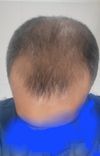
PP405 is likely a scam, with concerns about its legitimacy and safety, as it may cause unintended tissue growth. Users suggest sticking to known treatments like finasteride and minoxidil.
PP405, developed by Pelage Pharmaceuticals, can reactivate dormant hair follicle stem cells and increase hair growth by 20% in eight weeks, unlike minoxidil or finasteride. However, skepticism remains about its effectiveness and availability, with concerns about funding and the timeline for broader access.
The conversation is about someone looking for specific side effects reported in clinical trials for GT20029, a hair loss treatment. No results or data were found on the clinical trials site.
Sulforaphane, found in broccoli sprouts, promotes hair growth by degrading DHT. Users discuss its potential benefits and joke about unconventional application methods.
A 19-year-old male with no family history of androgenetic alopecia (AGA) is experiencing hair loss and considering using a topical minoxidil and finasteride mixture. Despite low vitamin D levels and normal DHT serum levels, he seeks confirmation of AGA before starting treatment.
A new topical treatment, PP405, shows promising results for hair regrowth, potentially outperforming existing treatments like finasteride and minoxidil. However, it may still need to be combined with DHT blockers for optimal results, and its long-term effectiveness remains uncertain.
Gut microbiome imbalances can cause scalp inflammation and affect hair follicles, potentially leading to hair loss. Treatments include finasteride, peptides like BPC-157, TB-500, KPV, and lifestyle changes such as diet and exercise.
The post discusses a phase 2 trial for HMI-115, a hair loss treatment, in China, specifically seeking volunteers aged 18-65 with Norwood 3 vertex, 4, and 5 hair loss. The conversation includes questions about the specific recruitment criteria and how to volunteer.
Pelage Pharmaceuticals raised $120M for their hair loss treatment, PP405, showing strong investor confidence despite limited data. There is skepticism about its efficacy and long-term effects compared to treatments like GT20029.
Vitamin D deficiency is linked to hair loss, and supplementation with vitamin D can improve conditions like androgenic alopecia and telogen effluvium. Users discussed various dosages of vitamin D, emphasizing the importance of getting blood tests to determine the appropriate amount.
PP405 shows promise as a hair loss treatment, with 31% experiencing increased hair density in a short trial. It may complement treatments like finasteride and minoxidil, but long-term effectiveness and safety need confirmation.
A 19-year-old concerned about long-term effects of 5AR inhibitors on physical appearance. They have used finasteride and plan to try dutasteride or RU58841; responses suggest improved skin, hair, and confidence.
PP405 may damage hair follicles if used long-term, suggesting cycling might be necessary. Combining it with finasteride could help maintain hair growth.
Researchers finding that microRNA can potentially regrow 90% of lost hair, and the challenges involved in moving this research forward to human trials. Various treatments for hair loss, such as finasteride and minoxidil, have been discussed.
The user is applying topical finasteride with stemoxydine for hair loss and has noticed hair thickening but no regrowth after two months. They also report high SHBG and prolactin levels and a lack of morning erections, even on low doses of medication.
Upcoming hair loss treatments for those who can't tolerate DHT blockers, focusing on Minoxidil, microneedling, and ketoconazole. Promising treatments include GT20029, PP405, KX-826, and RU58841, though RU58841 may not be safe.
A 16-year-old is experiencing hair loss and is using minoxidil, finasteride, and plans to add RU58841, while considering other treatments like MK-677 and microneedling. Concerns are raised about the potential impact of these treatments on puberty and development.
PP405 is progressing rapidly through trials, with mixed opinions on its potential effectiveness. Current treatments like minoxidil and finasteride are still widely discussed, with some users reporting positive results from new formulations.
The conversation discusses the potential benefits and risks of using Methionine and Glycine for hair loss, with concerns about cancer risk if not balanced properly. The user seeks opinions on these amino acids for hair health and overall benefits.
NMN shows promise in promoting hair growth by reducing oxidative stress and weakening androgens. It may be a beneficial addition to hair loss treatments like Minoxidil and Finasteride.
A 31-year-old experiencing rapid hair loss is considering whether to shave their head or use treatments. They were prescribed B12, topical finasteride 0.1%, and minoxidil 10% but are unsure about the correct dosage and potential side effects.
PP405 shows promise in regenerating hair by activating dormant follicles. Other treatments like VDPHL01 and Breezula are also advancing, providing new hope for hair loss solutions.
The conversation discusses the potential updates on the pp405 trial for hair loss, with completion expected by December 2025. Participants express skepticism about new treatments, suggesting continued use of finasteride, while others hope for innovative solutions beyond current medications.
The conversation discusses the effectiveness of RU58841 for hair loss compared to pyrilutamide, which failed to show significant hair regrowth in trials. Some users report personal side effects with RU58841 and question the criteria for success in hair loss treatments.
Pelage PP405 is a new hair loss treatment in trials, potentially reactivating dormant hair follicles without affecting hormones. Results are expected in February 2025, offering an alternative to minoxidil and finasteride.
Finasteride is effective for DHT/AR-driven hair loss but not for chromosome 20-driven cases, where treatments like minoxidil, prostaglandin analogs, and low-level laser therapy may be more beneficial. Genetic testing can help determine the underlying cause of hair loss to tailor treatment effectively.
Topical pirfenidone is highlighted as an effective anti-inflammatory and anti-fibrotic treatment for hair loss, particularly in addressing perifollicular fibrosis, which may enhance the effectiveness of standard treatments like finasteride and minoxidil. The user also uses calcipotriol, MCT oil, ciclopirox shampoo, and benzoyl peroxide shampoo as part of their regimen.
PP405, a topical treatment, shows promise for hair growth by activating inactive follicles, with 66% of participants experiencing positive results. The treatment is well-tolerated and may proceed directly to Phase 3 trials, offering a potential alternative to minoxidil and finasteride.
PP405 may induce new hair growth but cannot revive completely dead follicles, and its effectiveness on hairlines is uncertain. It is expected to be available by mid-2028, but users are advised to manage expectations and consider using other treatments like minoxidil and finasteride.
A Spanish dermatologist suggests sulforaphane for androgenetic alopecia (AGA) due to its potential to remove DHT metabolites, though high dosages are needed. A topical formulation might be possible.