Search
for
Sort by
Community Join
30 / 1000+ resultscommunity Pausing finasteride for blood donation, effect on DHT question
The user is pausing finasteride for blood donation and is concerned about its effect on DHT levels. They plan to supplement with saw palmetto and pumpkin seed oil during the pause.
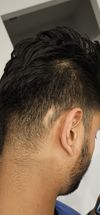
community Patch Behind Ear Possibly Due to Glasses, Is it Traction Alopecia?
The patch behind the ear is likely traction alopecia caused by glasses. No specific treatments like Minoxidil, finasteride, or RU58841 were mentioned.
community Another theory for hair loss: Parasites in gut.
Parasites in the gut may contribute to hair loss by depleting essential nutrients and disrupting hormone balance. An imbalance of hormones, not just DHT, could be a factor in androgenic alopecia.
community Painkillers May Block Minoxidil
Painkillers like Aspirin may reduce Minoxidil's effectiveness by inhibiting the enzyme PGHS-1, which is crucial for hair growth. Using NSAIDs that inhibit COX-2 or combining Minoxidil with PGF2/E2 analogues or retinoids may enhance its efficacy.
community Passive/preventative anti-DHT haircare routine?
The conversation discusses preventative hair care measures for hair loss, focusing on non-prescription treatments like rosemary, peppermint, castor oils, microneedling, and ketoconazole shampoo. It also touches on the use of finasteride, minoxidil, and RU58841 for those experiencing hair loss.
community Patchy side , 5 months and a half
The user is concerned about patchy hair regrowth after 5.5 months of treatment. They are questioning if more hair growth can be expected in the upcoming months.
community Parents think that I need a therapist because I obsess over my hair loss
A 19-year-old is concerned about going bald and disagrees with their parents who suggest therapy, believing hair loss will negatively impact their life. Some suggest therapy can help with the emotional aspects, while others support using finasteride and focusing on what makes the individual happy.
community Parents found my finasteride stash and are forcing me to dispose all of it
A 21-year-old has been using finasteride for nearly a year with positive results for hair loss. His parents found his stash, misunderstood the risks, and are forcing him to dispose of it, leading him to seek advice on handling the situation.
community [Part 2] – Sharing data for collaborative analytics on pyrilutamide
Analyzing data on pyrilutamide, a potential hair loss treatment, as well as the effectiveness of other treatments such as Minoxidil, Finasteride, and RU58841.
community Verteporfin trials in hair transplant patients begin
A clinical trial for Verteporfin as a hair loss treatment, and the potential for greater progress in treatments for hair loss in the future. Common treatments such as Minoxidil, Finasteride and RU58841 were discussed.
community Why I deleted my YouTube channel Part I
A YouTuber named Kevin, also known as Rider_Of_Roach, who deleted his YouTube channel due to personal attacks and controversy surrounding his views on hair loss treatments. He advocated for FDA-approved treatments like finasteride and minoxidil but faced backlash from those who disagreed with him. The conversation also discusses his past trolling behavior and a lawsuit he filed against a website that published false information about him. Despite some disagreements, many viewers appreciated his research-based content and hope to see him return in the future.
community Pattern hair loss could be due to gut bacteria
Feeding bacteria-free mice with Lactobacillus murinus worsened hair loss, but a regular diet with biotin stopped it. The conversation suggests gut bacteria and diet may influence hair loss, with some skepticism and discussion about other factors like DHT and genetics.
community Patent for topical resveratrol and melatonin for AGA
The conversation discusses a patent for using topical resveratrol and melatonin to treat androgenetic alopecia (AGA) and also mentions interest in topical sulforaphane as a treatment.
community Panax Ginseng is effective against hair loss
Panax Ginseng is suggested as effective against hair loss, with a recommended dose of 400-500mg/day. Users discuss its efficacy and side effects, with some noting no changes and others mentioning insomnia and other side effects.
community There's parabens in my Minoxidil, how bad is that?
Parabens in Minoxidil are a concern for some users due to potential health risks. The conversation discusses the presence of methylparaben and propylparaben in a specific Minoxidil brand, Ylox.
community Creatine paired with finasteride
community Saw palmetto….again 😅 The difference between the standardised oil and dried extracts
community Experiencing Panic Attacks After Adding Topical Minoxidil and Microneedling
The user experienced a panic attack after adding 5% topical minoxidil to their routine, which already included oral finasteride and minoxidil, and microneedling. They are seeking advice on whether microneedling increased absorption and if the anxiety attacks will subside.
community Hair partition and Minoxidil Application
A user is experiencing hair loss and is using Morr F 5% Minoxidil, Finasteride Lipid Solution, ketoconazole shampoo, and biotin tablets. They seek advice on the correct application method and hair partitioning.
community Serenoa repens (Saw palmetto)
Saw palmetto, a 5-alpha reductase inhibitor, caused unexpected side effects like breast changes and altered semen consistency, which resolved after stopping its use. Concerns about similar side effects with finasteride or dutasteride were expressed, and another user reported low libido and depression from saw palmetto.
community Chest pain on Oral minoxidil (18M)
An 18-year-old experienced chest pain, headaches, and vomiting after taking oral minoxidil for hair loss. They reduced the dosage, felt better, but experienced sharp chest pain again after increasing it, and are advised to stop the medication and see a doctor.
community Does everyone experiencing male pattern baldness have an oily scalp?
Male pattern baldness can occur with or without an oily scalp, but an oily scalp and seborrheic dermatitis can worsen the condition. Treatments like finasteride, minoxidil, and ketoconazole shampoo are used, and managing diet and scalp care can help control symptoms.
community Learn the difference between male pattern baldness and diffuse thinning, and see a doctor to diagnose which you have. Otherwise, you may waste money on HIMS 3-in-1 and risk heart or sexual side effects, just cuz a guy w/ probably biotin deficiency thinning got great results here...
Male pattern baldness and diffuse thinning can both be forms of androgenetic alopecia (AGA), and it's important to consult a doctor for proper diagnosis. Treatments like Minoxidil, Finasteride, and biotin are discussed, but their effectiveness varies, and side effects are a concern.
community Male pattern baldness is not cosmetic.
Male pattern baldness is linked to health risks and should be treated medically. Finasteride is effective and should be insurance-covered.
community Severe Panic Attacks on 1mg Fin: Alternative Options?
The user experienced severe side effects from finasteride, including panic attacks and suicidal thoughts, and is seeking alternative hair loss treatments. They have been using oral finasteride and topical minoxidil.
community Natural cure for balding - Saw palmetto and etc. Read the message below!
Saw palmetto, derma pen, rosemary oil, scalp massages, pumpkin seed oil, green tea extract, and B complex are discussed as natural treatments for hair loss, with mixed results reported. Some users consider adding finasteride for more effective results.
community Be patient!! It really does work
The user shared their positive experience with hair regrowth using a minoxidil and finasteride spray, along with occasional microneedling, and encouraged others to try it. Despite skepticism from some users about a possible hair transplant, the user insisted their results were solely from the treatment.
community Creatine paired with Finasteride
Finasteride and creatine are discussed for hair loss, with mixed opinions on creatine's impact. Some users report no hair loss with creatine, while others experience shedding, but finasteride is generally seen as effective.
community Saw palmetto and Pumpkin seed oil natural DHT blockers
Saw palmetto and pumpkin seed oil are generally considered ineffective for hair regrowth compared to finasteride and minoxidil. Users report that finasteride, minoxidil, and sometimes dutasteride are more reliable for maintaining and regrowing hair.