A user shared progress pictures showing significant hair regrowth after 134 days on oral finasteride and 59 days on topical minoxidil foam. They reported mild side effects initially but are now satisfied with the results.
A user shared their 3-month progress using a combined finasteride and minoxidil pill for hair loss, noting early signs of regrowth. They also use biotin shampoo/conditioner, take Vyvanse and Propranolol, and bleach/dye their hair every 3 weeks.
The positive effects of one year of treatments with topical minoxidil and oral finasteride for hair loss, with encouraging progress pictures as evidence.
The conversation discusses alternatives to RU58841 for hair loss treatment, with suggestions including topical spironolactone, peppermint and rosemary oils, and saw palmetto. The user also considers ordering RU58841 from China but finds it too expensive.
A 21-year-old experiencing hair loss was prescribed two shampoos and hair vitamins by a dermatologist who suggested seborrheic dermatitis as the cause. However, users in the conversation suggested the hair loss could be male pattern baldness (MPB), recommending monitoring the situation and considering finasteride as a treatment.
Piroctone olamine and ketoconazole are both effective for reducing dandruff and hair shedding, with potential benefits for hair thickness and scalp health. Piroctone olamine may be as effective or better than ketoconazole in certain conditions, yet it is often overlooked.
The user noticed temple recession and front thinning. Their treatment includes microneedling, topical minoxidil and finasteride, biotin, zinc, selenium, vitamin D3, rosemary oil, and specific shampoos.
Significant hair regrowth was achieved in 6 months using topical minoxidil, oral finasteride, vitamins, derma-stamping, and rosemary oil. Hair loss reduced from 30-40 hairs to 2-3 hairs during showers.
The conversation is about finding effective shampoos and conditioners for dandruff, excluding ketoconazole. The user mentions trying Paul Mitchell Tea Tree shampoo and Purology, and seeks at-home treatment recommendations.
The post and conversation are about a user seeing hair regrowth after using Rogaine, rosemary oil, pumpkin seed oil, saw palmetto, microneedling, and LLLT. The user plans to add Nizoral soon and is hopeful about continued progress.
The user is seeking advice on their hair loss routine, which includes using Nizoral, Nioxin, T-gel shampoos, Equate 5% Minoxidil, and quartered Generic Proscar 5mg, along with microneedling. They are unsure about the frequency and order of shampoo use, the application of Rogaine, and the use of essential oils like sandalwood.
The user is concerned their shampoo is causing hair loss and seeks advice on whether to change it or if another issue is causing the problem. They are unsure if shampoo can lead to hair fall and are looking for guidance.
Using a daily hair spray with 0.3% finasteride, 7% minoxidil, 2% ketoconazole, and biotin, along with a 1% ketoconazole shampoo once or twice a week, may be excessive according to the product's recommendations. The user is unsure about this regimen for treating androgenetic alopecia (AGA).
A user is considering hair loss treatments like caffeine shampoo, rosemary oil, pumpkin seed supplements, and microneedling, but is unsure if these are effective compared to finasteride. Another user suggests trying finasteride or dutasteride, sharing regret for not starting earlier.
Tea tree oil shampoo resolved redness, itching, and increased hair thickness for the user, suggesting demodex mites as a possible cause. Nizoral was ineffective, but tea tree oil showed significant improvement over several months.
A user discusses using onion shampoo for hair loss, noting it may be effective but unsure if results are due to the shampoo or other treatments like Minoxidil and a laser comb. They do not use finasteride.
Peppermint Essential Oil (PEO) was discussed for its hair regrowth effects on shaved mice after 4 weeks. Specific treatments mentioned include Minoxidil (Min), Finasteride (Fin), and RU58841 (RU).
The user is using a hair regrowth treatment plan that includes finasteride, microneedling, minoxidil foam, ketoconazole shampoo, and piroctone olamine shampoo. They are seeking advice on the effectiveness of their regimen and dosage of finasteride, and are curious about others' experiences with piroctone olamine.
A 24-year-old male with crown thinning and an oily scalp is seeking advice on shampoo recommendations and whether to restart minoxidil or try a hair growth serum. He is concerned about daily shampooing and managing greasy hair.
A user reported hairline regrowth after two weeks on a treatment including finasteride, peppermint and rosemary oils, emu oil, magnesium oil spray, apple cider vinegar, and dermarolling, while avoiding shampoos and conditioners. They believe DHT contributes to hair loss but also suggest follicle fibrosis is an issue.
Natural remedies like rosemary oil, coconut oil, and onion juice are generally seen as less effective compared to medical treatments like finasteride, minoxidil, and microneedling. Some users believe natural oils can help, but modern medicine is often more reliable.
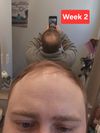
The conversation discusses a person's 4-month hair loss treatment regimen using topical minoxidil, finasteride, ketoconazole, a dermastamp, and rosemary and peppermint oils. Progress pictures are shared to show the results.
The user started taking multivitamins, derma rolling, using rosemary oil, and taking 0.5mg finasteride daily. They noticed slight hair improvement and are questioning if the changes are due to finasteride or the other treatments.
A user is experimenting with applying undiluted peppermint oil to their scalp daily to stimulate hair growth, based on a rat study where peppermint oil outperformed minoxidil. The user reports immediate hair thickening and increased scalp blood flow, while others in the conversation express skepticism, humor, and concern about the undiluted application.
The conversation discusses a user's hair growth routine involving scalp massages, dermastamping, and rosemary oil, with mixed opinions on its effectiveness. Some users suggest proven treatments like minoxidil and finasteride, while others debate the merits of alternative methods.
The conversation is about exploring additional hair loss treatments, with suggestions including topical melatonin, caffeine-based shampoos, redensyl, copper-peptides, pumpkin seed oil, saw palmetto, ketoconazole shampoo, and fluridil. Caution is advised against using products from AliExpress and Temu due to potential safety concerns.
The conversation humorously discusses various hair loss treatments and alternatives, including finasteride, minoxidil, and rosemary oil, with some users joking about wigs and unconventional items like roadkill. One user mentions using oral finasteride and minoxidil, topical rosemary oil, and microneedling.
The user shared a 4-month progress update on hair regrowth using Finasteride, a derma roller, and rosemary oil, with plans to post again at 6 months. Some users are amazed by the results, while others have not seen improvements; the original poster uses 1mg Finasteride daily, derma rolls twice a week, and applies rosemary oil after rolling.
KPV, a peptide patented by L'Oreal, may promote hair growth and reduce hair loss by extending the anagen phase and has anti-inflammatory properties. It could be combined with treatments like minoxidil for enhanced effects.