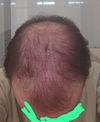
User fought hair loss with Derminator microneedling, topical and oral minoxidil, and a 2000 FUE hair transplant. Derminator was a game changer, preventing further loss.
User achieved hair regrowth in 4.5 months using Fin, Min, Nizoral, vitamins, dermarolling, and cold water washes. Cold water washes improved scalp health, but unsure if significant contributor to regrowth.
The user is concerned about starting finasteride due to potential fertility issues and is considering using minoxidil and Nizoral shampoo as alternatives for hair loss. Another user shares their experience of pausing finasteride while trying to conceive, continuing with minoxidil and Nizoral, and advises prioritizing child health over hair treatment.
User applied topical Minoxidil 5% and Finasteride 0.1% daily, with rosemary oil weekly, and saw initial baby hair growth. They plan to add derma stamping and Redensyl serum.
Piroctone olamine may be more effective and gentler than ketoconazole for dandruff and itchiness. Users report better results with piroctone olamine, but it is less available in the US.
A 23-year-old is experiencing hair loss and has been using 5% topical minoxidil, 1 mg oral finasteride, and recently switched to 1.25 mg oral minoxidil. They are hopeful for regrowth with this new regimen, which includes biotin, iron, vitamins, Nioxin shampoo, and rosemary serum.
Ketoconazole shampoo may help with early-stage hair loss by stopping hair regression and promoting new hair growth, though its effectiveness as a DHT blocker is debated. Users report varying results, with some experiencing dryness and others seeing improvement when used 2-3 times a week.
A user solved their 15-year scalp inflammation and related hair loss using Selenium Sulfide shampoo (Selsun Blue), noticing improvement after the first use and resolution after three uses. Others found relief with Ketoconazole shampoo, which also helps with hair loss.
The user shared a 4-month progress update on hair regrowth using Finasteride, a derma roller, and rosemary oil, with plans to post again at 6 months. Some users are amazed by the results, while others have not seen improvements; the original poster uses 1mg Finasteride daily, derma rolls twice a week, and applies rosemary oil after rolling.
Switching from liquid to foam Minoxidil to avoid scalp irritation, with a method to melt the foam for easier application. Users discuss alternatives and personal experiences with Minoxidil, including issues with propylene glycol and different application methods.
The user is using a hair regrowth treatment plan that includes finasteride, microneedling, minoxidil foam, ketoconazole shampoo, and piroctone olamine shampoo. They are seeking advice on the effectiveness of their regimen and dosage of finasteride, and are curious about others' experiences with piroctone olamine.
The conversation is about hair loss treatments, with a focus on using coconut/rosemary oil, minoxidil, and finasteride. Oils may help with scalp health, but minoxidil is for regrowth, and finasteride or dutasteride is needed to stop hair thinning.
The user noticed temple recession and front thinning. Their treatment includes microneedling, topical minoxidil and finasteride, biotin, zinc, selenium, vitamin D3, rosemary oil, and specific shampoos.
A 27-year-old male shared his 7-month hair regrowth progress using finasteride, keto shampoo, rosemary oil, and both oral and topical minoxidil. He experienced initial shedding but is pleased with the results and plans to continue the treatments.
Jordan-Iliad has been using a combination of finasteride, minoxidil, stemoxydine, microneedling, saw palmetto, peppermint and jojoba oils, ketoconazole shampoo, and Purador shampoo/conditioner for 3 months to treat their hair loss with stunning results. They have also recently started taking oral minoxidil 1.25mg/day in hopes of achieving even better results over the next 3 months.
Natural remedies like rosemary oil, coconut oil, and onion juice are generally seen as less effective compared to medical treatments like finasteride, minoxidil, and microneedling. Some users believe natural oils can help, but modern medicine is often more reliable.
Shampoos are unlikely to cause permanent hair loss; hair loss is more likely due to male pattern baldness (MPB). The user is advised that losing hair in the shower is normal, and to avoid shampoos with sodium sulfate.
The user switched from minoxidil to a homemade 2-deoxy-d-ribose gel and noticed no hair fall after two weeks, despite stopping minoxidil. The gel includes water, 2-deoxy-d-ribose, vegetable glycerine, 2-phenoxyethanol, sodium alginate, and rosemary oil, and the user reports healthier-feeling hair.
The user shared progress after one year of using Minoxidil, rosemary oil, and dermarolling for hair loss, noting fuller hair despite some scalp exposure. Another user inquired about the dermarolling process and frequency.
A user shares a routine using Nizoral 2% shampoo twice a week, followed by Ego QV Nourishing Shampoo and Conditioner, and Schwarzkopf Extra Care Hair Treatment Oil to prevent dryness and maintain healthy hair texture. Others discuss similar experiences with ketoconazole, noting improvements in dryness and reduced hair shedding.
The user has been on finasteride for 1.5 years with good results but avoids minoxidil due to pet safety concerns. They're considering alternatives like Redensyl and natural remedies like rosemary oil and stinging nettle tincture for hair loss.
The conversation is about a person using oral minoxidil, biotin multivitamins, dutasteride lotion, a hair growth serum with redensyl, capixyl, and procapil, ketoconazole with zinc shampoo, and monthly PRP treatments with a derma roller for hair growth. Someone encouraged them to continue with their regimen.
The user "Venom7337" shared their progress with hair loss, mentioning the treatments they used: Dutasteride, Minoxidil, and Ketoconazole shampoo. They hope to see further improvement in hair density and hairline.
The user recommends a thickening clay as a great pre-styling product for hair volume and texture, despite its poor hold. They also mention using finasteride and express skepticism about the effectiveness of a shampoo containing saw palmetto and caffeine.
The user shared 5 months of progress using oral minoxidil and finasteride, along with rosemary and keto shampoos. They noted significant hair growth, including increased body hair, and attributed most progress to the medications.
A user experienced significant hair regrowth by switching from finasteride and minoxidil to dutasteride, along with using a leave-in conditioner, rosemaryshampoo, and a hair powder drink. They noted improved hair health and thickness, attributing success to this regimen and advising others on similar treatments.
The conversation is about evaluating the ingredients in Davines VOLU shampoo for potential red flags. The user is concerned about which ingredients to avoid despite the shampoo being sulfate-free.
Topical saw palmetto is discussed as a mild anti-androgen for hair growth, with some users combining it with other treatments like spironolactone and ketoconazole shampoo. Users share mixed experiences, with some not noticing regrowth and others hopeful for positive results.
A user is considering hair loss treatments like caffeine shampoo, rosemary oil, pumpkin seed supplements, and microneedling, but is unsure if these are effective compared to finasteride. Another user suggests trying finasteride or dutasteride, sharing regret for not starting earlier.