The conversation discusses Fevipiprant, an asthma drug that may block CRTH2 and potentially stop male pattern baldness (MPB) without inhibiting DHT. It also mentions the use of finasteride and dutasteride for hair loss.
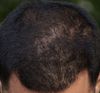
The conversation humorously discusses two resilient hair strands that resist DHT, with mentions of minoxidil and finasteride as ineffective treatments. Users joke about cloning the hairs and the mystery of baldness.
A user experienced significant hair regrowth using finasteride 1 mg daily for two years and gradually introduced dutasteride 0.5 mg daily over four months. They reported no side effects and plan to switch fully to dutasteride due to its cost-effectiveness and potential effectiveness.
A 31-year-old man, between Norwood 4 and 5, is considering hair loss treatments like finasteride and minoxidil but is concerned about side effects. He is exploring options with doctors and considering a hair transplant, noting that some clinics require medication before and after the procedure.
Finasteride and dutasteride can cause psychiatric side effects like depression and suicidal thoughts in some users, especially those with a history of mental health issues. While some users experience positive hair growth results, others face severe psychological effects, raising concerns about their safety and the need for careful monitoring.
The user is experiencing significant hair loss after switching from finasteride to dutasteride for five months. Suggestions include that the hair loss might be a normal shedding phase, with some recommending continuing the treatment for up to 24 months or considering alternatives like RU58841.
A user shared progress pictures after 9 months on finasteride, starting with 0.25 mg and increasing to 0.5 mg daily, noting improved hair density, especially at the crown, with initial side effects that resolved after the first month. The discussion includes user experiences with finasteride, concerns about side effects, and alternative treatments like rosemary oil and platelet-rich plasma therapy.
Minoxidil alone is often insufficient for treating hair loss because it doesn't address the DHT-related cause. Combining it with finasteride, a DHT blocker, is generally more effective.
A 24-year-old male achieved significant hair regrowth using 2.5mg oral minoxidil and 0.5mg dutasteride every other day, with no side effects and increased libido. Revita shampoo and conditioner were also used but were less effective than the medications.
A user experienced significant hair regrowth using dutasteride without side effects, starting with finasteride and not using minoxidil or dermarolling. They attributed success to a unique genetic response to DHT blockers but did not share their full regimen, frustrating others.
The user had high DHT levels after 8 months on dutasteride, questioning the drug's authenticity. They got dutasteride from a legitimate source and will update on progress.
Topical dutasteride is suggested as a low side-effect treatment for hair loss, with a proposed dose of 0.025% 1ml/day. It is considered better than finasteride due to its even inhibition of DHT isoforms and lower systemic absorption.
A user reported hair regrowth and increased thickness after 11 months using finasteride 1mg, taken 3-4 times a week, with noticeable improvement starting around the third or fourth month. No side effects were mentioned, and the user is considering reducing the dosage to find the minimum needed to maintain results.
A user is considering dutasteride mesotherapy versus oral finasteride for hair loss, with concerns about side effects. Other users share experiences with both treatments, suggesting oral finasteride as more effective and cost-efficient, while also discussing the use of minoxidil, alfatradiol, and potential side effects like gynecomastia.
Hair regrowth treatments for cis-males include Minoxidil, Finasteride, and RU58841. Estrogen and testosterone blockers can help restore hair loss but may not suit everyone.
27-year-old female experiences aggressive hair thinning and hirsutism despite normal testosterone levels. Spironolactone and 2% minoxidil were ineffective; high DHEA sulfate levels may be the cause.
The user discusses their experience with diffuse unpatterned alopecia and acquired progressive hair kinkering, noting improvements with treatments including biotin, pantothenic acid, finasteride, ketoconazole, and zinc pyrithione shampoo. They report thicker, healthier hair and improved scalp condition, attributing success mainly to biotin, pantothenic acid, and finasteride.
A user is considering switching from oral minoxidil to a combination of 5% topical minoxidil and tretinoin to reduce hypertrichosis. They hope this combination will be effective without causing excessive body hair growth.
A user shared their experience with oral minoxidil and finasteride for hair loss, taking 7.5mg of minoxidil and experiencing excessive hair growth all over their body without major side effects. Some users suggested lower doses for safety, while others shared their own experiences with hair growth in different areas and side effects.
The conversation discusses a user experiencing short, curly, wiry hair above and behind the ears, linking it to pattern baldness. The user suggests starting treatment early but personally chose not to pursue treatments like Minoxidil, finasteride, or RU58841 due to the hassle.
A 23-year-old is experiencing hair that is thick at the ends but thin at the roots despite using minoxidil and finasteride for 10 months. They are concerned about whether this is normal or a sign of miniaturization and seek advice on reversing or improving the condition.
The user is experiencing reduced hair shedding and increased hair density after using finasteride, minoxidil, derma rolling, granactive retinoid, and Nizoral, while also taking testosterone and aromatase inhibitors. They question if they are a hyper responder to the treatments, despite mixed feedback from others about visible progress.
Hair loss treatments, ranging from topical minoxidil and finasteride to taking hormones such as estradiol or nandrolone, as well as a controversial suggestion of an orchiectomy. A hair system is also mentioned as an alternative solution.
The conversation discusses treating male pattern baldness in a transgender woman using cyproterone acetate, finasteride, and biotin. The original poster shared their experience for others who might be in a similar situation.
User has been using topical finasteride and minoxidil since May, previously used a spray version since January. They are seeing vellus hairs and have added weekly microneedling to their routine.
The user is experiencing a strange hair loss pattern despite using dutasteride for 3 years and minoxidil with tretinoin for 1.5 years. They recently added microneedling and are considering a scalp biopsy to understand the cause.
A person with a full head of hair chose to laser it off, sparking disbelief and discussions about hair loss treatments like Minoxidil and Finasteride. Many users questioned the decision, suggesting it might be a troll post or an extreme reaction to balding concerns.
User deciding between oral and topical minoxidil, concerned about hypertrichosis and myocarditis interaction. They're using topical finasteride, LLLT, natural oils, dermastamping, and scalp massage, and considering adding oral minoxidil.
A user struggles with male pattern baldness and a persistent tingling itch on their crown, trying various treatments like aloe vera, tea tree oil, and Nizoral without success. Another user suggests the itch might be psychosomatic, linked to worrying about hair loss.
The user is experiencing severe hair loss and color change despite low testosterone levels and healthy lifestyle changes. They have tried ketoconazole shampoo and consulted a dermatologist, who found no scalp issues but suggested using Toppik for coverage.