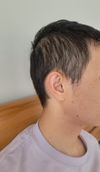
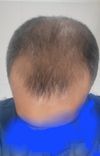
The conversation discusses using NAC and quercetin as supplements for hair loss, with some users also mentioning finasteride. NAC is highlighted for its potential benefits, but concerns about its safety and absorption are also raised.
The user is experiencing excessive hair thinning and is unsure of the cause. They are seeking opinions on treatments like Minoxidil, finasteride, and RU58841.
A human trial involving verteporfin for hair regeneration, with the results showing some regrowth of 1-2 hairs in an area where a follicular unit was extracted. The conversation also suggested that future studies should involve higher doses and more frequent injections.
PP405 is being discussed as a potential treatment for hair loss, with uncertainty about its effectiveness compared to existing treatments like finasteride, dutasteride, and minoxidil. There is cautious optimism, but its impact on hair transplants remains unclear.
The conversation discusses hair loss treatments, with the original poster considering joining a clinical trial for setipiprant after experiencing side effects from finasteride and disinterest in minoxidil. Some users express skepticism about setipiprant's effectiveness, while others encourage participation in the trial for potential benefits.
A 24-year-old male has been using finasteride for 7 months and noticed thinning hair, especially when wet, and is concerned about the effectiveness of the treatment. Suggestions include continuing finasteride, considering minoxidil, and possibly trying micro-needling.
The user is using micro needling, MinFin topical, daily oral minoxidil, and keto shampoo for hair regrowth. They are seeking advice on additional methods to enhance results.
RU58841 is discussed as a treatment that stops scalp itching when used with finasteride or dutasteride. The user is considering trying RU58841 due to persistent itching despite using the "big 3" treatments.
User reports being on finasteride for 3 months, experiencing initial shedding but noticing new hair growth and increased density. They also started using castor oil daily and considered trimming their long hair to improve visual thickness.
User uses Indian hair serum with procapil and procyanidin b2, stopped minoxidil due to allergies. Seeks advice on hair wash techniques and products for shoulder-length hair and scalp care while using hair growth serums.
A 19-year-old female is experiencing significant hair loss, with symptoms including alternating hair colors and thinning body hair. She seeks advice on coping and potential treatments, with suggestions to consult a dermatologist and check thyroid and hormone levels.
Low-Level Laser Therapy (LLLT) is seen as a safe and effective method for maintaining hair and promoting regrowth in androgenetic alopecia (AGA) and male pattern baldness (MPB), with devices like the HairMax LaserComb® and iRestore helmet being popular. Some users and professionals are skeptical about its long-term effectiveness and cost.
Rosemary oil is compared to minoxidil 2%, but its effectiveness and safety are questioned. Minoxidil 5% is considered safer and more reliable for hair loss prevention.
The user experienced significant hair shedding after pausing their hair care regimen, which included finasteride, micro-needling, Nizoral shampoo, vitamin D, essential oils, melatonin, caffeine, exercise, and protein intake. They are concerned if the shedding is due to the break in their routine or a normal phase of finasteride use.
User tried dutasteride, topical finasteride, oral minox, dermawounding, saw palmetto, pumpkin seed oil, and ketacozonole for hair loss. Improvement was temporary, now trying RU58841 and seeking help.
People are discussing the anticipated release of PP405 phase 2a results, expected by the end of March, with some skepticism about its effectiveness. There is cautious optimism due to past experiences with similar treatments like Breezula, despite concerns about the lack of presentation at the AAD 2026 conference.
The conversation discusses using tretinoin for hair loss and whether applying SPF on the scalp is necessary if hair covers the treated areas. The user is considering this treatment despite having no completely bald patches.
A user experienced initial success with finasteride, noticing reduced hair fall and stronger hair, but later faced a heavy shedding phase. The shedding has since slowed, and they are seeking advice on what to do next.
The conversation discusses hair loss treatments, specifically mentioning Minoxidil, finasteride, and RU58841. It also references upcoming trial data from Shiseido in Japan.
A 31-year-old experiencing rapid hair loss is considering whether to shave their head or use treatments. They were prescribed B12, topical finasteride 0.1%, and minoxidil 10% but are unsure about the correct dosage and potential side effects.
The user is experiencing hair loss and plans to use a treatment protocol including Saw Palmetto Berries, MCT Oil, Zinc, testosterone balancers, L-tyrosine, and L-theanine. They also use a specific dandruff shampoo and are open to non-prescription treatments.
Low-Butterscotch-608's progress in treating their hair loss with finasteride and minoxidil over the course of two years, as well as opinions on whether they should consider a hair transplant to address further receding. Replies included advice about adding microneedling to the protocol.
18M experiencing hair loss, using finasteride and considering hair transplant. Replies suggest waiting, giving finasteride a year, and consulting a specialist.
Minoxidil 0.5% MMP® showed better results in parietal-vertex regions for less advanced female pattern hair loss compared to Minoxidil 5%. MMP® with Minoxidil can improve the quality of life for these patients.
A user shared a 7-month update on hair regrowth using finasteride daily and minoxidil once a day, noting improvement in hair health. Others suggested adding micro-needling, ketoconazole shampoo, and considering a hair transplant for better results.
The conversation is about finding a legitimate and affordable Chinese source for RU58841 powder for hair loss treatment. It suggests choosing a vendor with good reviews and testing the product for authenticity.
The conversation discusses a botanically derived treatment for androgenetic alopecia using ingredients like saw palmetto, green tea, and evening primrose, showing impressive results over 270 days. Concerns include the study's uncontrolled nature and potential product motivation, with suggestions to enhance absorption through derma rolling.
The conversation discusses a hair loss treatment regimen involving minoxidil, finasteride, RU58841, JXL069, and nizoral shampoo. The user reports seeing new black dots in areas where hair hasn't grown in years, suggesting potential regrowth.