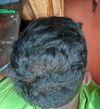
Exosomes were used for hair loss treatment, showing results 33 days after the second session. The conversation also mentions Minoxidil, finasteride, and RU58841 as treatments.
The user is experiencing hair thinning on the sides and back of the head while the top remains thick. A reply suggests it might be retrograde alopecia.
Microneedling before a hair transplant may harden the scalp and affect blood circulation, potentially impacting graft growth. Some users report successful transplants after microneedling, while others advise caution and consulting with a surgeon.
A user is experiencing temple hair recession and is seeking alternatives to finasteride. They are considering castor oil, coconut oil, and derma rolling, and have seen some improvement with Zenegen.
A 23-year-old male is using topical minoxidil and oral finasteride for hair regrowth, noticing some progress on his temples and seeking advice on whether this indicates overall scalp improvement. Users suggest patience, as regrowth can take time, and advise against a hair transplant, noting that the current treatment seems effective.
Hair transplants have improved significantly from the old "plug" method, which left unnatural results. Modern techniques by skilled doctors can achieve natural-looking hairlines.
Microneedling at depths greater than 0.6 mm may damage miniaturized hair follicles, with 0.5 mm showing better results for hair regrowth. Combining microneedling with minoxidil enhances absorption, but caution is advised to avoid damaging follicles.
The conversation is about a hair loss treatment regimen using high concentrations of natural ingredients: pumpkin seed oil, saw palmetto, rosemary and peppermint essential oils, and caffeine. The user also practices microneedling, scalp massage, and takes Nutrafol.
The potential hair regrowth benefits of ASC-J9, a synthetic modified version of curcumin that is said to be more effective than Minoxidil and Finasteride. Reports from users suggest good thickening and temple regrowth with topical use at 0.025% concentration.
The conversation discusses the potential of verteporfin in treating hair loss, with some users reporting positive results and speculating that it could lead to a cure for baldness. Others are skeptical, and there's a debate on the effectiveness of verteporfin for regrowing hair and reducing transplant scars.
The conversation discusses using a microneedling device on the face after using it on the scalp, with suggestions to use a depth of 0.2mm for facial treatments. Caution and proper sterilization are advised due to the sensitivity of facial skin.
The conversation discusses hair loss treatments, including scalp massage, and the importance of blocking DHT for hair loss management. The user shares blood test results, which appear normal, and seeks advice on effective tests and treatments, expressing a preference for natural methods over medication.
The post and conversation are about a user who made their own Platelet-Rich Plasma (PRP) for hair loss treatment at home, using their own blood and a centrifuge. The responses vary, with some users supporting the DIY approach to save money, others expressing concern about the safety and effectiveness of the method, and a few joking about the lengths people will go to combat hair loss.
A user shared their positive experience with a hair transplant in Patna, using 1800 grafts to enhance their hairline and temple points. The procedure cost around Rs 85K, and the user is pleased with the natural-looking results.
The user experienced significant hair loss due to health issues and is now using finasteride and minoxidil for nearly 3 months. They are hopeful about tiny hairs/dots indicating regrowth and are considering a hair transplant later in the year.
A user started using RU58841 a month ago after using finasteride and minoxidil for nearly three years, hoping for hair regrowth at the temples. Other users suggest vitamin B supplements and microneedling to improve hair thickness, and one mentions the possibility of a hair transplant for the temples.
The conversation is about a user sharing their positive experience with Scalp Micropigmentation (SMP) for hair loss, highlighting the natural look achieved by a specialized artist. The procedure cost $2600 and was done by Alex Corona in Panama City Beach, FL.
A user who underwent a hair transplant in Istanbul to reduce balding, and the discussion of various treatments such as finasteride and growth hormone for preventing further hair loss.
Exosomes are discussed as a new hair loss treatment, but skepticism is expressed about their effectiveness. Other treatments mentioned include Minoxidil, finasteride, and RU58841.
The user has seen significant hair regrowth using a routine of minoxidil, finasteride, microneedling, scalp massage, and Nizoral. They are considering adding red light therapy and PRP to their regimen.
An 18-year-old experiencing diffuse hair thinning since 8th grade seeks advice. They are concerned about having less hair than their 52-year-old father and are looking for treatment options.
The user is seeing positive results in hair growth using a combination of topical minoxidil, finasteride, microneedling, and keto shampoo. They also use a red light panel for collagen rebuilding and are happy with the progress.
A 30-year-old woman with a history of anemia and low vitamin D experienced hair shedding, which improved after addressing nutrient deficiencies. Despite regrowth of terminal hairs, her dermatologist recommended treatments like minoxidil and spironolactone to prevent future bald spots, but she is cautious due to family history of hormone-related cancers.
The user is trying to regrow hair on a bald spot using a routine that includes Minoxidil, Mielle Organics products, and Toppik Hair Building Fibers. Other users suggest adding Finasteride or Dutasteride to block DHT for better results.
People are hopeful about future hair loss treatments like PP405, GT20029, and VDPHL01, while some are currently using finasteride and minoxidil. There is skepticism about the effectiveness of new treatments, and some advise against hair transplants until more promising drugs are available.
The user increased finasteride to 1mg daily, stopped using ketoconazole and pyrithione zinc shampoos, and started using regular pH balanced shampoo with tea tree oil, rosemary/peppermint oil, and microneedling. They are now seeing new hair regrowth at the hairline and temples.
The user experienced hair loss due to androgenic alopecia and chose to use essential oils (rosemary and peppermint) and microneedling instead of minoxidil or finasteride. They reported positive results after 24 days and plan to continue with these treatments.
The regimen for hair loss includes topical finasteride, clascoterone, tretinoin, minoxidil, oral saw palmetto, beta-sitosterol, vitamin D, microneedling, and anti-fungal shampoo. Expected benefits are increased hair growth and density, with considerations for potential skin irritation and interactions between treatments.
The user experienced high liver enzyme levels, possibly due to topical finasteride or supplements, and decided to stop using finasteride while continuing minoxidil. After stopping finasteride and supplements, liver levels returned to normal, suggesting finasteride or supplements might have been the cause.