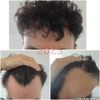
A 17-year-old is experiencing hairloss and is considering using Minoxidil and Finasteride. They are questioning if Minoxidil alone is sufficient or if Finasteride is necessary.
A 29-year-old male experienced hairloss and found improvement using a combination of onion hair oil, castor oil, ketoconazole shampoo, and aloe vera gel with vitamin E, while discontinuing minoxidil and finasteride due to side effects. He emphasizes the importance of scalp massage and oiling for hair growth and reduced hair fall.
A 15-year-old is experiencing hairloss and has tried rosemary and jojoba oils without success. They are advised to see a doctor for thyroid and androgen tests and consider using Minoxidil.
The user tried minoxidil 5% for 3 years with little improvement, then switched to a 15% minoxidil with 0.1% finasteride solution once daily and started using pyrilutamide, resulting in significant hair regrowth over time. They are considering a hair transplant but are continuing with topical treatments to maximize hair growth first.
A 24-year-old experienced significant hair regrowth over 8 months using oral finasteride, oral and topical minoxidil, dutasteride, microneedling, and ketoconazole shampoo. They are satisfied with the results and may consider a hair transplant after one year.
The user regained hair and reduced forehead size using a routine of 1mg finasteride, 5mg minoxidil, topical minoxidil twice daily, tretinoin before minoxidil, derma stamping weekly, red light therapy daily, and ketoconazole shampoo thrice weekly. They experienced initial side effects with finasteride but adjusted the dosage over time.
A 28-year-old male with a family history of baldness is deciding whether to start finasteride now or wait for visible hair changes. He is considering starting finasteride immediately to proactively address potential hairloss.
The user experienced increased hairloss and scalp itchiness despite using finasteride and plans to resume minoxidil and start microneedling. They are considering using clay, Aveda thickening tonic, and a beanie to manage the appearance of thinning hair.
A user shared their 21-month hair regrowth journey using oral Finasteride 1mg daily and Minoxidil 5% topical applications. Despite initial discouragement due to slow progress, they saw significant improvement, reducing the need for a hair transplant to minor fill-ins at the front hairline.
A user is concerned about hair thinning and is using minoxidil, considering finasteride, and planning blood tests to rule out deficiencies. They are advised to consult a dermatologist to confirm if androgenic alopecia is the cause before starting finasteride.
The user has been using a strong combination of hairloss treatments for 16 months, including Finasteride, Minoxidil, Dutasteride, and RU-58841, but their hairloss has worsened. They're questioning whether their high testosterone levels or residual scalp DHT are causing further hairloss, with a reply suggesting that even small amounts of DHT can cause hairloss if one is sensitive to it.
After 7 months of a hair transplant, the user is experiencing significant hairloss despite using a minoxidil and finasteride topical solution daily. Losing around 100 hairs daily might be normal, but if it persists, other causes should be considered.
The user has been using a combination of finasteride/dutasteride, minoxidil, tretinoin, and hydrocortisone with microneedling and ketoconazole shampoo for hairloss. They are asking if the baby hairs growing will turn into terminal hairs with continued treatment.
The conversation discusses a hairloss treatment regimen involving finasteride, dutasteride, spironolactone, bicalutamide, oral estradiol, microneedling, and minoxidil. The regimen aims to reduce androgenic alopecia by blocking DHT and androgens, with a caution about potential feminizing effects.
Many younger men are experiencing hairloss due to genetics, diet, stress, and lifestyle changes. Treatments like finasteride and minoxidil are mentioned, with some users noting improvements.
The conversation discusses hairloss causes beyond male pattern baldness, mentioning treatments like ketoconazole, zinc shampoo, and finasteride. Stress-related hairloss (telogen effluvium) is also suggested.
A young person is experiencing aggressive hairloss and not responding well to minoxidil and finasteride. Suggestions include trying dutasteride, hair systems, lifestyle changes, or considering a wig.
The individual has experienced a sore, stiff, and itchy scalp with hairloss for 4.5 years, and has noticed increased thinning and miniaturized hairs, especially at the temples. They have tried ketoconazole shampoo without success and are considering finasteride for treatment.
A 16-year-old female experiencing severe hairloss and sebum buildup, likely due to telogen effluvium and PCOS, is currently using vitamin D3 supplements, Redenser serum, and T follihair supplements. Recommendations include addressing PCOS first and consulting a doctor.
The user is experiencing hairloss, possibly due to androgenetic alopecia and seborrheic dermatitis, and has tried ketoconazole shampoo without success. They are hesitant to use finasteride due to potential side effects and are seeking advice on managing their condition.
A user named Medical_Opinion8120, a 23-year-old female, is experiencing hairloss potentially due to a past accutane course. She has tried minoxidil without success and is currently taking iron and zinc supplements.
A user shared a 5-year hairloss treatment progress, using 1mg oral finasteride daily and 5% minoxidil liquid twice per day, with significant improvement and no side effects. They noticed more hair coverage around the 6-7 month mark and have experienced annual shedding but remained consistent with their routine.
The user is frustrated with ongoing hairloss despite using treatments like dutasteride, finasteride, and minoxidil, and is considering shaving their head. They are advised to maintain consistency with medication, consider oral minoxidil, and explore hair transplant options.
A 21-year-old experienced significant hairloss after steroid use and stopping minoxidil. He plans to regrow his hair using a regimen of dermarolling, Lipogaine, finasteride, and vitamins.
A user shared their positive experience using topical finasteride and minoxidil for nine months to combat male pattern baldness, reporting healthier and thicker hair without side effects. They recommend these treatments but advise researching potential side effects and consulting a professional.
The user experienced worse hair after removing a wig system and has been using Hairband 82 Comfort Flex, Hair Max supplements, dermarolling, and a scalp massager for 4 months without clear results. They are hesitant to use Minoxidil due to shedding concerns and avoid finasteride due to side effects, preferring Saw Palmetto instead.
A 19-year-old is concerned that starting finasteride for early hairloss might affect future beard growth. They plan to use minoxidil and finasteride due to a family history of male pattern baldness but worry about the impact on facial hair development.
An SSRI (paroxetine) reduced hairloss and itching for a user with male-pattern baldness, but liver issues forced discontinuation, leading to increased hairloss and anxiety. The user plans to try other anti-anxiety medications, noting stress and anxiety significantly impact hairloss.
The user reports using finasteride, topical minoxidil, ketoconazole shampoo, and a dermaroller for hairloss. They notice more hair growth, but doubt full regrowth on the crown.
The user is experiencing continued hairloss despite using minoxidil, finasteride, tretinoin, and microneedling. They are considering a hair transplant due to lack of response to current treatments.