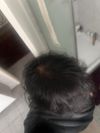
OP is unsure if their hair is improving or worsening despite using Topical Fin, Pyri, Keto Shampoo, TGel, Microneedling, and Tretinoin. A user suggests switching to oral Fin and Minoxidil.
The post discusses a successful hair loss treatment involving a hair transplant, finasteride, and minoxidil. The user underwent a 2000 graft hair transplant at the hairline in a clinic in Sweden.
The user has been using minoxidil and finasteride for 8 months and is questioning if new baby hairs are growing. Opinions vary, with some suggesting the hairs are signs of regrowth and others suggesting delusion.
The user is exploring alternatives to hair transplants due to a weak donor area and is currently using finasteride, minoxidil, dermapen, low-level laser therapy, Nizoral shampoo, and a high-protein diet. They plan to switch to dutasteride and consider adding RU58841, while rejecting hair systems and considering a buzz cut.
A 27-year-old has been using oral finasteride and minoxidil since early 2023, seeing progress in hair growth and density without side effects, but still struggles with thinning at the crown. They are considering adding topical treatments, natural oils, microneedling, or a hair transplant to address this issue.
A user successfully regrew hair using 1mg finasteride, switching to 0.5mg dutasteride, and maintaining 5mg oral minoxidil, with significant improvements noted after switching to dutasteride. The user experienced shedding phases but ultimately achieved regrowth and is now comfortable without wearing a hat.
User shared 5-month progress using oral finasteride and topical minoxidil for hair loss, improving from Norwood 3 to Norwood 1. User also mentioned weight loss after a breakup and starting gym alongside hair loss treatment.
The user has been taking 1 mg of finasteride daily for four months and is questioning if they are experiencing hair regrowth, as suggested by their barber. Another user suggests taking better photos to assess the crown area more clearly.
The user is experiencing hair regrowth after 3.5 months using finasteride, dutasteride, oral minoxidil, dermastamping, and ketoconazole shampoo. They are hopeful about the progress but note that topical minoxidil was ineffective for them.
A person's successful 5-month hair loss treatment using Finasteride and Minoxidil. Questions and comments from others focus on the source of the treatments and application methods.
A 31-year-old male experienced significant hair regrowth on his crown after using oral minoxidil (initially 1.25 mg, increased to 2.5 mg, then reduced back to 1.25 mg) and finasteride (1 mg), without side effects except increased hair on arms, beard, and eyelashes. He also used anaphase conditioner and shampoo but no derma rolling or additional multivitamins.
The user experienced significant hair regrowth using high doses of dutasteride, minoxidil, and finasteride, but still considers a hair transplant due to thin hair and limited temple improvement. They face challenges accessing medication and are exploring additional treatments like microneedling.
The user is experiencing hair thinning at the crown and midscalp and is seeking advice. They are considering treatments like Minoxidil, finasteride, and RU58841.
The individual has experienced no hair regrowth from using minoxidil and finasteride and is considering a hair restoration clinic's options, including PRP and nano follicle hair replacement, as well as a potential beard transplant. They are seeking advice on whether to pursue PRP, timing for hair replacement surgery, and experiences with beard transplants.
The user is using oral finasteride, minoxidil, and KX-826 for hair regrowth, noticing small improvements. They plan to add ketoconazole shampoo and consider a hair transplant with verteporfin after a year of treatment.
A 25-year-old with aggressive diffuse NW5 hair loss is using Minoxidil, oral Finasteride, RU58841, Ketoconazole, and dermastamping, experiencing slow progress and mental health struggles. Despite some visible regrowth, the user feels discouraged due to ongoing hair loss and is seeking reassurance and advice.
The user is considering starting minoxidil and finasteride for hair loss at Norwood 2 or 2.5. Another user suggests consulting a dermatologist and possibly using finasteride to prevent progression and minoxidil for regrowth, with dutasteride as an alternative.
The conversation is about a user concerned about hair thinning despite using finasteride, minoxidil, RU58841, and recently adding dutasteride. Most responses suggest there is no noticeable difference in hair loss, attributing concerns to paranoia, and recommend continuing the current treatment or adjusting expectations.
The user has been using finasteride and minoxidil for over three years, switched to oral minoxidil, and recently started dutasteride and dermarolling but still experiences thin hair. They are seeking suggestions for improving their hair condition.
User decides to accept baldness due to mental health issues with finasteride. Others suggest considering hair systems, topical finasteride, or RU58841 as alternatives.
A 29-year-old shares progress on hair recovery using a daily liposomal topical mix of finasteride and minoxidil, iRestore device, and several vitamins. They report no side effects from the topical treatment, unlike previous issues with oral finasteride.
The user experienced significant hair regrowth using topical Minoxidil and oral Finasteride over five months, with darker and thicker hair and new follicles appearing. They are considering waiting 1-2 years before deciding on a hair transplant, as further improvement is expected.
Hair looks thinner in sunlight, and users discuss using hair fibers, minoxidil, finasteride, and considering dutasteride for hair loss. Hair fibers like Toppik help conceal thinning, and some users suggest additional treatments like derma stamping and micro-needling.
A 29-year-old is using oral minoxidil, finasteride, hormone replacement therapy (HRT), and microneedling for hair regrowth. They started balding at 20, worsened at 25, and are transitioning with testosterone blockers.
The user is experiencing hair loss despite using finasteride, minoxidil, and needling since March. They suspect needling too deeply might be an issue and have adjusted the depth recently.
A 31-year-old who experienced severe hair loss during medical school tried various treatments, including topical and oral finasteride and minoxidil, but stopped due to side effects. They restarted treatment 10 months ago with a regimen including topical finasteride, minoxidil, retinoic acid, hydrocortisone, oral minoxidil, and light therapy, emphasizing the importance of consistency and skincare.
User experienced hair loss from Norwood 3.5 to Norwood 5 with diffuse thinning after using a hair system for 2 years. Tried Redensyl, Capixyl, Bicapil, Biotin, multivitamins, Fin, and Min without significant improvement, seeking advice for hair recovery.
A user's decision to shave their head after experiencing hair loss since the age of 17, and discussion around the potential use of Fin for treating hair loss.
The conversation discusses hair loss treatment with finasteride, where the user is experiencing shedding and concerns about regrowth. Users advise patience, suggesting that visible improvement may take 6-12 months or longer, and recommend continuing the treatment.
The user started using finasteride daily and minoxidil twice daily, along with occasional microneedling, to address hair loss. They reported significant hair regrowth with no side effects and shared their progress over several months.