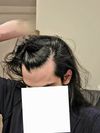
25-year-old male with Norwood 2 hair loss tried PRP injections without success. Dermatologists didn't recommend finasteride or minoxidil, but suggested PRP + Mesotherapy for 50% improvement.
User shared 6-month progress of hairline recovery using oral finasteride and topical minoxidil, asking for current Norwood scale rating. Responses praised impressive results, with estimates ranging from Norwood 1.5 to 3.
The user is experiencing intense hair shedding all over the scalp after applying pyrilutamide to the hairline and taking oral castor oil. They are also using topical finasteride and latanoprost, but are unsure which treatment is causing the shedding.
A 30-year-old male is experiencing hair loss and is concerned about his receding hairline, seeking advice on his Norwood scale classification. He is apprehensive about using Minoxidil and finasteride as treatments.
After a second session of Platelet-Rich Plasma (PRP) treatment for hair regrowth, the user is experiencing increased shedding of thick and dark hairs and is concerned about whether this is temporary. They are seeking others' experiences with PRP, specifically regarding the duration of shedding and eventual positive outcomes.
User had successful FUE hair transplant with 3500 grafts, costing 3900 euros at Novohair in Berlin, gaining confidence. User lost hair due to chemo, family history of hair loss at 40-50 years old.
The user shared a positive 6-month update on their hair transplant from Turkey, where they received 6100 grafts for their hairline and mid-scalp. They are using finasteride, minoxidil, vitamins, oils, and shampoos to maintain and promote hair growth, and plan to address their crown in a future session.
The conclusion of the conversation is that the user, AlgomasReturns, tried various treatments for hair loss but saw regrowth after starting finasteride. They recommend others to try it as well.
A 23-year-old experienced significant hair regrowth in 3 months using a topical mixture of minoxidil 5% and finasteride 1%, with added bimatoprost. The treatment is government-subsidized, costing around $15, and the user reported no side effects.
A user shared their hair regrowth journey from ages 31 to 39, using finasteride, oral and topical minoxidil, and dutasteride. They experienced significant hair density improvement and temple regrowth, with increased hair growth as the only side effect.
DUPA and retrograde alopecia may not be solely DHT-based, and a biopsy is crucial for accurate diagnosis and treatment. Treatments mentioned include dutasteride, oral minoxidil, pioglitazone, clobetasol, calcipotriol, ketoconazole, and doxycycline, depending on the specific condition.
The user experienced significant hair thickening after switching from three years of topical Minoxidil and keto shampoo to three months of topical finasteride and derma stamping. They also noted that they're using less than the recommended amount of finasteride, but still seeing great results.
The user has been dermarolling and applying argan oil with peppermint or rosemary oil, noticing baby hair growth on the hairline. They are questioning if this indicates treatment success or faster hairline recession.
The conversation discusses difficulty in distinguishing between new hair growth and thinning hair at the temples after using microneedling and a rosemary peppermint topical for four weeks. The advice given is to wait a few months to see if the hairs grow out to determine their nature.
OP used finasteride, topical minoxidil, microneedling, and caffeine shampoo for hair loss. After 4 months, they saw progress with new, lighter-colored hairs.
New hair loss treatments include topical and gel formulations combining finasteride and dutasteride, with added caffeine and melatonin. The user reports good results with the topical dutasteride.
The user is experiencing diffuse thinning and inflammation despite using 2.5mg dutasteride daily, ciclopirox, and ketoconazole shampoos. They are considering treatments like hydroxychloroquine and JAK inhibitors due to suspected scarring alopecia and have faced challenges in obtaining a scalp biopsy.
A user's 4-year journey of using Finasteride to improve their hairline, which they started noticing results from within the first month, and experienced significant shedding during the first year. They also tried Minoxidil but had heart palpitations so stopped taking it.
With a head full of hair, like a phoenix!
This user has experienced positive results from using topical minoxidil and oral finasteride for 12 months, followed by 5 months of only topical use, as well as microneedling before application for 4 months. They are now considering a hair transplant in order to further enhance their results.
The user is considering using tretinoin with topical finasteride due to poor absorption and side effects from oral finasteride. They are also contemplating switching to topical dutasteride, while others suggest trying oral minoxidil or lower oral doses.
A user has seen hopeful hair regrowth after 3 months on 1mg finasteride and 0.5mm dermarolling, in addition to using minoxidil 5% for over a year. They noticed improvement in their hairline and a bald spot.
The user has been using finasteride 0.5mg, topical minoxidil once a day, and ketoconazole every other day for two months, resulting in thicker hair and a firmer hairline. There is a suggestion to increase the finasteride dosage.
The user is thrilled with their hair transplant results, which involved 4000 grafts and cost £2700 in London. They are using finasteride, minoxidil spray, and a volumizing shampoo, experiencing no side effects and planning to continue the regimen for ongoing hair maintenance.
User tried oral and topical finasteride for hair loss but experienced headaches and concentration issues. They ask for advice on whether to continue or try other treatments like alfatradiol, fluridil, or pyrilutamide.
The user experienced severe scalp itching and hair loss while on dutasteride, which they linked to caffeine and masturbation. They plan to cut out both to see if their hair density improves.
A user who underwent a hair restoration procedure with 3,478 grafts by Jason Sorgi in Massachusetts, costing $8,500. The user is also using finasteride and minoxidil post-procedure, and is very satisfied with the natural-looking and dense results.
The conversation discusses continuing finasteride and minoxidil after a hair transplant. Minoxidil should be applied around the new hairline, avoiding the transplant area until healed, then gradually extended to all areas.
The user experienced significant hairline regrowth over seven months using oral finasteride, topical minoxidil, and microneedling. Initial shedding occurred, but baby hairs appeared around three months, gradually maturing to fill in the hairline.