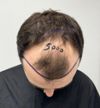
The user is treating hair loss with dermarolling, a laser helmet, scalp massages, and Nizoral. They stopped using minoxidil and finasteride and are considering pumpkin seed oil and sulforaphane.
A user shared their 4-month hair regrowth progress using oral finasteride and topical minoxidil, reporting no side effects and positive feedback on their appearance. The post sparked debate, with many users doubting the authenticity of the photos, while others congratulated the user on their impressive results.
A user shared their 4-month post-hair transplant progress, noting they use oral minoxidil, oral finasteride, biotin pills, and a hair repair serum. They are pleased with the results and hope for increased hair density.
The user shared their hair regrowth progress using a combination of treatments including finasteride, dutasteride, minoxidil, tretinoin, Sulfogenz, KX-826, low-level laser therapy, and microneedling. They plan to continue medication for another year before considering a hair transplant, noting steady improvement but not major changes.
A user humorously discusses wanting to transplant all their hair into one dense circle on their scalp, leaving the rest of their head bald. Replies include a joke about performing the procedure and a story about someone using their hair to fight crime.
A user's decision to shave their head after struggling with hair loss for seven years, and the medications and treatments they are using to attempt regrowth. They also discuss potential future treatments that may come out in the near future.
Oral minoxidil is seen as more effective and convenient than topical minoxidil for hair regrowth, but it may cause heart-related risks. Users often combine it with finasteride or dutasteride, though some prefer topical treatments due to safety concerns.
Switching from liquid to foam Minoxidil to avoid scalp irritation, with a method to melt the foam for easier application. Users discuss alternatives and personal experiences with Minoxidil, including issues with propylene glycol and different application methods.
Pp405 is discussed as a potential hair loss treatment, with humorous suggestions about rectal administration for increased effectiveness. Users joke about unconventional methods and express willingness to try anything for hair regrowth.
A user decided to stop using finasteride due to side effects and chose to shave their head instead. They plan to use the money saved for a hair transplant towards a house downpayment, hoping for future advancements in hair cloning.
The conversation discusses the effectiveness of topical tretinoin as a monotherapy for hair loss, with users suggesting it may not be as effective as minoxidil or finasteride. The original poster is considering other options like a phenol peel and is concerned about the risks of derma rolling.
User Crazy-Signature930 shares progress on oral minoxidil for eyelashes and eyebrows. Others comment on the impressive results and ask about side effects and duration of use.
The user resumed taking 5mg oral minoxidil and 0.5mg dutasteride daily, with vitamins, and noticed hair regrowth. They switched from finasteride to dutasteride due to side effects and prefer oral minoxidil over topical for convenience and effectiveness.
A 29-year-old man had a successful hair transplant at Dr. Ulusan Clinic in Izmir, Turkey, receiving over 4600 grafts and exosome injections. He started using finasteride and minoxidil daily a month after shaving his head, which improved his confidence and outlook on life.
A user shared progress pictures showing improvement from NW 6 to NW 2 after four months of treatment. They are considering using exosomes to further reverse hair miniaturization.
Topical finasteride as a potential alternative to oral finasteride for reducing DHT levels on the scalp with fewer side effects, and other hair loss treatments such as minoxidil.
A 25-year-old male experienced noticeable temple regrowth using 1mg finasteride, 2.5mg oral minoxidil, and 2mg GHK-Cu over three months. The user is pleased with the progress, especially on the left temple.
Pyrilutamide's effect on sebum production and scalp inflammation is unclear, with users noting no significant changes. Isotretinoin is mentioned as effective for reducing sebum, while Dutasteride and various shampoos have limited impact on oiliness and seborrheic dermatitis.
The conversation discusses hair regrowth using dutasteride and oral minoxidil, with the user reporting significant improvement in hair volume after combining these treatments. Some side effects mentioned include changes in libido and increased facial hair, but overall, the user is satisfied with the results.
The user has been using topical minoxidil with other ingredients and oral finasteride, but its effectiveness has decreased. They are considering switching to oral minoxidil after experiencing side effects with dutasteride.
Spraying or drinking topical minoxidil is dangerous and less effective than oral minoxidil. Proper oral minoxidil, like Loniten®, is recommended for safety and effectiveness.
Switching from 2% liquid minoxidil to 5% foam minoxidil reduced scalp irritation but increased eyebrow flakiness and thinning. The user speculates that propylene glycol in the liquid formulation might have been protecting against seborrheic dermatitis while causing contact dermatitis.
A user applied the 8T3 product for hair loss, targeting LPP and AGA, and plans to update on its effectiveness. The product uses a saline buffered phosphate vehicle, suitable for those intolerant to ethanolic vehicles.
The user is considering a hair transplant for crown hair loss but is anxious about recovery and results. They are debating whether to try oral minoxidil for 6-12 months before surgery and whether to address their hairline during the transplant.
The user is experiencing daily hair loss and is considering trimming their hair to manage scalp cleanliness due to excessive sweating. They are seeking advice on how much to cut, preferring a short style similar to a classic military haircut.
The conversation discusses dealing with hair shedding from oral minoxidil, with suggestions like using hair fibers, cutting hair shorter, or wearing a hat to manage appearance. It also touches on mental coping strategies and the potential benefits of combining treatments like finasteride or dutasteride.
The user is considering switching from topical Minoxidil to oral Minoxidil due to concerns about maintaining a topical routine. They have already started finasteride and are trying to prevent further hair loss progression.
The user is experiencing hair regrowth with oral minoxidil and dutasteride but still has fragile hairs that easily pluck out from the front center. Despite improvements, the user is concerned about the persistent fragility and shedding of these hairs.
The user is considering a hair transplant for their crown area while taking 0.5mg of dutasteride daily. Suggestions include using 500-800 grafts, adding minoxidil to the routine, and using hair fibers to improve appearance.
The conclusion of the conversation is that the user has experienced significant hair regrowth using a combination of medications, including dutasteride, RU58841, and minoxidil. They have not experienced any noticeable side effects and are considering a hair transplant in the future.