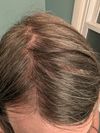
A user shared their hair transplant update, having received 4,300 grafts and choosing not to use medications like finasteride or minoxidil due to potential side effects and personal reasons. Many commenters expressed concern that without these medications, the user might experience further hair loss, suggesting that preventative treatments are important for maintaining transplant results.
The user experienced significant hair regrowth using topical Minoxidil and oral Finasteride over five months, with darker and thicker hair and new follicles appearing. They are considering waiting 1-2 years before deciding on a hair transplant, as further improvement is expected.
PP405 is a topical gel being tested for hair regrowth in adults with androgenetic alopecia. Volunteers aged 18-55 are needed for a 16-week trial in several US locations.
A 32-year-old had a hair transplant in Istanbul for 2500€, using 2800-3000 grafts, and is not using finasteride or other medications long-term. The user is satisfied with the results but acknowledges the possibility of needing another transplant in the future.
A 22-year-old had a 3,500 graft hair transplant to restore his original hairline and improve density, while using dutasteride and oral minoxidil to manage hair loss. He believes being proactive with medication prevented further loss and allowed for a successful transplant.
The hair transplant has a straight, unnatural-looking hairline that many find unappealing. The person is not using finasteride or minoxidil, which may affect future hair retention.
The user underwent a hair transplant in Turkey and has been using a topical solution with 5% minoxidil and 0.0025% finasteride, along with Ket 2% shampoo and derma rolling, to maintain hair status. They are uncertain about improvements, noting thicker non-transplanted hair, and are considering increasing medication frequency to enhance results.
The clinic diagnosed the user with NW3 and AGA, noting thinning hair despite using finasteride for 3 years, and suggested PRP and Mesotherapy before considering a transplant. The user questions the necessity of these treatments without confirming retrograde alopecia and its treatability.
A new topical treatment, TH07, combining finasteride, latanoprost, and minoxidil, is entering phase III trials with promising early results. Some users express skepticism, noting the treatment uses existing products.
The user had a hair transplant with 4500 grafts and has been using minoxidil twice daily for over a year but stopped finasteride due to severe side effects. The transplant cost $3500 and improved their self-confidence, positively affecting their dating life.
Hair regrowth using finasteride 1mg daily and topical minoxidil twice daily, with a hair transplant after three years, showed significant improvement over four years. The user is satisfied with the results despite not having access to oral minoxidil.
A clinical trial for Verteporfin as a hair loss treatment, and the potential for greater progress in treatments for hair loss in the future. Common treatments such as Minoxidil, Finasteride and RU58841 were discussed.
A 29-year-old is using liposomal topical finasteride/minoxidil and low-level light therapy (LLLT) to improve hair growth, showing significant progress in crown recovery. The user prefers liposomal topicals to avoid side effects from oral finasteride and uses the iRestore Essential device for LLLT.
The user is considering adding low-level laser therapy (LLLT) to their hair loss treatment routine, which already includes minoxidil, finasteride, and microneedling. They are debating between purchasing a cheaper LLLT device or investing in a more expensive, clinically-backed option, with concerns about the effectiveness and specifications of cheaper models.
A 19-year-old with rapid hair loss since 16 is considering a hair transplant but refuses to take finasteride or any 5α-Reductase inhibitors. They are currently using minoxidil, tretinoin, and microneedling with a Derminator 2, and only want hair until age 27.
Low-Level Laser Therapy (LLLT) for hair loss is effective but requires consistent use and device replacement every 1-2 years. The treatment is costly, and results may not be permanent without continued use.
A user shared their positive experience with a hair transplant journey over 10 years, involving 3000+ grafts and regular use of minoxidil and finasteride. Other users commented on the hairstyle and suggested alternative treatments like SMP or hairpieces.
A 23-year-old discusses their hair loss treatment using finasteride, dutasteride, oral and topical minoxidil, and topical tretinoin under medical supervision. They stress stabilizing hair loss before a hair transplant and plan to continue the regimen for at least 18 months.
The user underwent two FUT hair transplant surgeries with subpar results, leading to disappointment and continued use of Minoxidil, laser cap, dermaroll, and biotin. They advise thorough research before committing to hair transplants, especially for those with advanced hair loss.
8 months post hair transplant, OP experiences asymmetrical shedding despite using finasteride and starting minoxidil. The doctor suggests it might correct itself or be due to transplant trauma, recommending a wait-and-see approach.
The user is using dutasteride, oral minoxidil, and topical minoxidil with tretinoin for hair loss. They are considering whether to continue this treatment or opt for a hair transplant for their temples.
A user had a hair transplant 16 years ago and lost hair after stopping finasteride. They're now using a combination of treatments including oral dutasteride, topical and oral minoxidil, Pyrilutamide, and microneedling, and have seen improved density but are unsure if it's enough to grow their hair out. They also had a bad experience with scalp micropigmentation (SMP) and are considering redoing it.
A 40-year-old considering a hair transplant after using finasteride and oral minoxidil for hair maintenance. They have maintained hair well with these treatments and seek opinions on whether a transplant would improve their appearance.
A user discussed their hair transplant progress and mentioned using 1mg Finasteride, 5% Topical Minoxidil, and recently starting 5% RU58841. They are seeking advice on whether to use RU58841 at month 4 post-transplant.
Botox injections may be more effective than finasteride for hair growth by reducing scalp tension. The discussion also suggests choosing FUE over FUT due to potential loss of scalp elasticity with FUT.
A 39-year-old from Bangalore shared his successful hair transplant journey, which included 3537 scalp and 1521 beard grafts, boosting his confidence. He also started medication alongside the transplant.