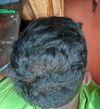
The conversation is about the effectiveness of Stemoxydine for hair loss. The user reports reduced hair shedding after one week but also a more noticeably thinned scalp.
Azelaic acid is considered a strong DHT inhibitor with no reported sexual side effects, making it a potential alternative for those who cannot use finasteride. It can be used with minoxidil, but may cause skin irritation.
A user shared their positive experience with hair regrowth using finasteride and minoxidil, noting improvements in hair thickness and confidence. They also mentioned using a dermaroller and managing side effects, while others in the conversation shared similar experiences and advice on hair loss treatments.
Hair loss treatments for female pattern baldness, with the user focusing on wigs as an effective solution; they also discussed the difference between cheap and real wigs, and the importance of returning to confidence and self-esteem when tackling alopecia.
Celonius discusses hair loss and plans for a FUE Hair Transplant, but worries about how it will look when shaved in the future. Derhab21 suggests going for the transplant and mentions potential future treatments like Breezula and stem cell injections.
Hair loss treatments like Minoxidil and Finasteride will still be used even if a cure is found. Hair transplants will continue as cloning new hair follicles will be part of the process.
A user shared their experience with two hair transplants in Istanbul, highlighting the importance of choosing clinics with a low doctor-to-patient ratio, ISHRS membership, thorough consultations, and reliable aftercare. They emphasized the significance of PRP shots post-procedure and advised careful selection of clinics, especially for crown procedures, due to limited donor area opportunities.
Scalp inflammation may contribute to hair thinning, with treatments like ketoconazole shampoo potentially helping by reducing inflammation. Some users report that DHT blockers and other treatments like finasteride, minoxidil, and RU58841 can alleviate symptoms associated with inflammation.
The user is experiencing hair loss and is using treatments like finasteride, minoxidil, and hormone replacement therapy (estradiol enanthate injections) to address it. They are advised to be patient with the treatments and consider using a dermapen for microneedling.
A 31-year-old male shared his 4.5-month progress using finasteride, topical minoxidil, and dutasteride mesotherapy for hair loss, showing significant improvement in crown density and overall hair texture. He reported no side effects and plans to continue the treatment to assess further results.
The user reviewed the Kiierr 312 MD DualWave Laser for hair loss, using it alongside ketoconazole shampoo, Svvimer products, and oral finasteride. They also mentioned using minoxidil on their face and adjusting lifestyle factors like sleep, vitamin D, and protein intake.
Dutasteride and high-dose Minoxidil are the primary treatments maintaining hair, with additional supplements and therapies like red light offering minimal extra benefit. The discussion criticizes promoting expensive hair care products when basic medications are doing most of the work.
New hair loss treatments PP405 and VDPHL01 are discussed with skepticism and hope, alongside existing treatments like minoxidil and finasteride. Users express frustration over limited progress since the 1980s but remain cautiously optimistic.
The user experienced significant hair improvement using finasteride, minoxidil, ketoconazole shampoo, and microneedling over a year, with no side effects. They used topical minoxidil and reported shedding phases, but no current shedding as of March 2026.
The user is using a topical spray with finasteride and minoxidil, red light therapy, and ketoconazole shampoo for hair loss, and is considering waiting a year before getting a hair transplant. Other users suggest microneedling, using oral treatments, and investing in a laser helmet for better results.
A 19-year-old is using 5% topical minoxidil and 1mg oral finasteride daily for hair growth, showing progress after 4 months. Users suggest adding ketoconazole shampoo to address scalp inflammation and dandruff.
Some men look better with shaved heads due to facial features and low body fat, while others believe a perfect hairline enhances attractiveness. Treatments like finasteride might be used to maintain a perfect hairline.
A 24-year-old with early hair loss is managing it with finasteride, minoxidil, and dutasteride, and is considering using a hair system for more styling options while maintaining transparency. They emphasize confidence and self-expression over hair, viewing it as an amplifier rather than a foundation.
The user feels hopeless about hair loss despite using finasteride, dutasteride, minoxidil, and RU58841, and having a hair transplant. They are advised to maintain consistency in treatment, consider increasing dutasteride dosage, and explore topical solutions for better results.
The conversation discusses the safety of using 2.5mg oral minoxidil and 1mg topical minoxidil twice daily, along with finasteride, for hair loss treatment. Concerns are raised about potential blood pressure changes from oral minoxidil, suggesting a personalized risk assessment with a doctor.
COVID and COVID vaccination can trigger hair loss, primarily telogen effluvium, due to stress and immune system activation. Proper diagnosis and addressing factors like nutrition and stress are crucial for recovery.
A 36-year-old experienced significant hair regrowth using dutasteride, oral and topical minoxidil, and keto shampoo, and plans a hair transplant for further improvement. Despite progress, they seek hairline restoration and have scheduled a transplant of 3,000 grafts.
A 37-year-old man is seeking advice for hair loss treatment, considering options like finasteride and topical or oral minoxidil. A user suggests consulting a doctor and monitoring blood pressure if using oral minoxidil.
South Korea's president is advocating for hereditary hair loss to be covered by national health insurance due to its impact on mental health and daily functioning. The discussion highlights the societal pressure in South Korea regarding appearance and the potential benefits of treating hair loss to improve mental health.
Redensyl is a plant-based treatment that may support hair regrowth by reactivating dormant follicles and improving hair density, especially in early-stage thinning. It is not a miracle cure and results vary; it is less proven than Minoxidil or Finasteride and may cause scalp irritation.
The user experienced side effects like shallow breathing, loss of libido, and erectile issues after using topical finasteride with minoxidil for hair loss. They are considering whether to continue the treatment despite these side effects.
The user shared their 10-year hair loss journey, discussing treatments like oral minoxidil, oral finasteride, and LLLT, and ultimately deciding on a hair transplant. They also explored the possibility of having alopecia areata incognita and advised seeking multiple opinions before surgery.
The user experienced significant hair regrowth in 90 days using 1.25 mg finasteride daily and topical 5% minoxidil once a day, with noticeable thickening of eyebrows and eyelashes. Despite the progress, the user plans a hair transplant due to traction alopecia affecting the hairline.
A 32-year-old male is considering options to soften a dense transplanted hairline after experiencing accelerated hair loss and intolerance to finasteride and dutasteride, while using minoxidil. He is exploring partial electrolysis or laser treatments to achieve a natural look with a short buzz cut, avoiding a second transplant or scalp micropigmentation.
Many people feel self-conscious about hair loss during haircuts, with some using treatments like finasteride and minoxidil. Others cope by cutting their own hair or finding a trusted barber to manage thinning areas.