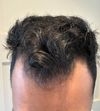
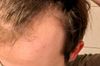
Mixing Nizoral and T-Gel in a 1:1 ratio and using it three times a week provided relief from persistent seborrheic dermatitis. This treatment is recommended for those with stubborn SD.
A 21-year-old is considering a hair transplant in Turkey due to aggressive hair loss and scalp psoriasis, but is advised to try finasteride and minoxidil for at least a year to stabilize hair loss before proceeding. The user is concerned about side effects but plans to consult a dermatologist and possibly start finasteride.
Hair loss treatments include finasteride, minoxidil, alfatradiol, vitamins, red light therapy, ketoconazole shampoo, meditation, green tea, leg workouts, and silk pillows. Genetics is emphasized as the primary factor in hair health, with some humor about unconventional methods like drug use affecting hair loss.
PP405 shows promise for hair regrowth, with new hairs observed in 66% of patients in just 27 days. The discussion also mentions Minoxidil, finasteride, and RU58841 as potential treatments.
A user shared their 6.5-month experience with topical finasteride (2%) and minoxidil (5%), noting initial progress followed by a significant shedding phase. Others in the conversation reassured that shedding is normal and suggested staying consistent with the treatment for potential regrowth.
A 26-year-old is starting a hair loss treatment using 1mg oral finasteride daily, 5% topical minoxidil foam twice daily, 2% ketoconazole shampoo weekly, and microneedling once a week. They noticed worsening hair loss over the past year and are seeking advice.
A 22-year-old is experiencing worsening hair loss despite using a doctor-prescribed serum and shampoo. They are seeking advice on additional treatments like Minoxidil, finasteride, or RU58841.
The user has been using finasteride and minoxidil for over three years, switched to oral minoxidil, and recently started dutasteride and dermarolling but still experiences thin hair. They are seeking suggestions for improving their hair condition.
A man felt insecure when his date touched his thinning hair, causing awkwardness. He uses finasteride and minoxidil for hair loss but still struggles with confidence.
A user named Mmherak is experiencing hair loss, with low B12 and iron deficiency, and has been recommended minoxidil and spironolactone by dermatologists. Other users suggest seborrheic dermatitis or dandruff, recommending treatments like Nizoral shampoo, ketoconazole, and Selsun Blue.
An 18-year-old male is experiencing significant hair shedding, particularly from the back of his head, despite normal blood test results except for slightly low vitamin D. A dermatologist prescribed minoxidil for receding temples, but the cause of the shedding remains unclear.
The user experienced significant hair shedding after starting and stopping minoxidil and finasteride, leading to thin hair and personal distress. They are currently on oral finasteride without side effects and are advised to maintain consistent treatment and consider additional options like microneedling and oils.
A 20-year-old is experiencing hair thinning and is considering Clascoterone and Minoxidil as treatments, avoiding finasteride due to concerns about fertility and hormones. A suggestion was made to use Clascoterone for local DHT targeting and combine it with Minoxidil for maintenance and regrowth while avoiding systemic side effects.
Hair transplants can initially yield good results, but native hair is more reliable, and transplanted hair may still be lost over time. Early intervention with treatments like topical finasteride and minoxidil is recommended, but it's important to start with lower doses and manage expectations realistically.
The user experienced hair loss and used Minoxidil and Finasteride to improve hairline and density, but stopping Minoxidil led to a setback. They plan to continue both treatments daily to increase hair density and are considering applying Minoxidil to the entire scalp.
A user is 8 months into treating hair loss with finasteride, minoxidil, ketoconazole, and pyrilutamide, but feels their condition is worsening. They are considering increasing their finasteride dosage due to aggressive hair loss and are experiencing scalp itchiness.
The user is experiencing hair shedding while using finasteride and topical minoxidil with tretinoin, keto shampoo, and dermarolling. They hope the shedding indicates future hair regrowth.
A person's successful 5-month hair loss treatment using Finasteride and Minoxidil. Questions and comments from others focus on the source of the treatments and application methods.
The user is treating alopecia areata with 1.25mg oral minoxidil daily and topical mometasone furoate, considering increasing the dose or adding finasteride, though finasteride is not typically used for this condition. A gluten-free diet is suggested, and alternatives like Olumiant are mentioned.
People with hair loss experience emotional struggles and body dysmorphia. Treatments like minoxidil, finasteride, and dutasteride are used, but results vary and can take time.
A user experienced significant hair loss after starting microneedling, despite using dutasteride and topical minoxidil. They are advised to consult a doctor as the shedding pattern is unusual and may indicate alopecia areata or other scalp conditions.
A user is concerned about hair thinning and is using minoxidil, considering finasteride, and planning blood tests to rule out deficiencies. They are advised to consult a dermatologist to confirm if androgenic alopecia is the cause before starting finasteride.
The user is experiencing a second hair shedding phase after 7 months on finasteride, oral minoxidil, and ketoconazole, and is concerned about the sustainability of the treatment. Others encourage continuing the treatment, explaining that shedding is normal and should stabilize over time.
The user has been using a combination spray with 0.1% finasteride, 5% minoxidil, and tretinoin for over a year but feels their hairline has worsened. They are considering increasing the concentration of finasteride and adding 5% minoxidil once a day, while another user suggests trying oral finasteride for potentially better results.
The user is experiencing hair loss despite using finasteride and Rogaine, with conflicting diagnoses from different hospitals. One suggests no hair loss, while another recommends continuing medication; a suggestion to see a dermatologist for proper assessment is given.
Nearly 40% of adults with alopecia areata achieved at least 80% scalp hair coverage after 52 weeks of taking OLUMIANT® 4-mg. The conversation distinguishes this success from androgenetic alopecia, which is a different type of hair loss.
A user shares their 11-week progress using 1mg finasteride, 5% minoxidil twice daily, 0.8mm dermastamping every 10 days, occasional tretinoin, and ketoconazole shampoo for hair regrowth. They plan to continue the treatment for 9 months before considering a hair transplant.
An 18-year-old male switched from topical finasteride and minoxidil to oral dutasteride for diffuse hair loss and saw improvement without side effects, despite experiencing scalp itch and shedding. Commenters noted significant hair regrowth and were surprised by his young age and appearance.
A 29-year-old with hair loss (NW 3) uses microneedling, oral minoxidil, and ketoconazole shampoo. They are considering topical dutasteride after limited success with current treatments and are questioning why it's not more widely discussed.
The user is experiencing rapid hair loss, progressing from Norwood 3 to 7, with thinning at the crown and receding hairline. Suggested treatments include finasteride, minoxidil, ketoconazole shampoo, and CBD with MCT oil.