A 27-year-old is using finasteride, minoxidil, microneedling, and Pilexil shampoo to combat hair loss, with plans to add Nizoral shampoo and light stimulation. Initial results show reduced hair loss and some hair thickening, despite a period of shedding.
A 19-year-old experiencing early hair loss started using finasteride to address diffuse thinning, despite concerns about potential side effects. They also use T/Gel and OGX Thick and Full shampoo, and have a dermatologist appointment scheduled to explore possible allergies.
The conversation is about a person struggling with inconsistent hair styling due to thinning hair, despite being on hair loss medications. They find that ketoconazole 2% shampoo helps, but conditioning makes their hair look worse; others suggest staying consistent with treatment and using hair fibers for events.
The user is experiencing severe hair loss despite using finasteride for 10 months and suspects scalp buildup might be contributing. Suggestions include using ketoconazole shampoo, consulting a dermatologist, and trying terbinafine cream.
Diffuse thinning is worse than a receding hairline as it affects the entire scalp, complicating styling and hair transplants. Treatments like finasteride, minoxidil, dutasteride, and RU58841 are mentioned, with some users noting improved hair density.
Increased scalp itching during shedding phases while on finasteride treatment may coincide with hair regrowth and recovery. This suggests that itching might not always indicate continued hair loss and could encourage persistence with the treatment.
The user is experiencing hair thinning and bald spots, using Nizoral, rosemary oil, fluocinolone, and receiving PRP treatments. They are considering oral minoxidil and finasteride but are hesitant due to age and financial constraints.
A user is experiencing severe hair loss and dandruff, trying various treatments including Minoxidil, Nizoral 2% Ketoconazole, Neutrogena T/Gel, coconut oil, baby shampoo, apple cider vinegar, aloe vera gel, and tea tree oil. They believe the issue is not genetic and are seeking advice and solutions.
The user is experiencing a strange hair loss pattern despite using dutasteride for 3 years and minoxidil with tretinoin for 1.5 years. They recently added microneedling and are considering a scalp biopsy to understand the cause.
Finasteride can cause scalp itch and inflammation, possibly due to DHT changes, but these effects are often temporary and part of the shedding phase. Consistent use of finasteride may show results after 6 months, with potential hair regrowth and slowed hair loss.
A 28-year-old male using Tugain 10 minoxidil, Finpecia 1mg finasteride, Cipla Ketoconazole shampoo, and dermarolling 0.5mm weekly for 3-4 months is seeing some hair regrowth. Encouragement is given to continue the regimen.
The user is experiencing hair loss despite using dutasteride, minoxidil, and ketoconazole shampoo, and is concerned about continued shedding. Suggestions include checking for nutrient deficiencies, consulting a dermatologist, and considering other potential causes like seborrheic dermatitis or telogen effluvium.
Male pattern baldness (MPB) may be influenced by androgen receptors in scalp hair follicles and potentially poor blood flow. Transplanted hair is not immune to DHT, and factors like inflammation and scalp tension might also contribute to hair loss.
The user experienced significant hair improvement with minoxidil and finasteride but later faced shedding and diffused thinning after developing seborrheic dermatitis. They are seeking advice after trying treatments like ketoconazole, coal tar shampoos, fluconazole, and hydrocortisone cream.
The user noticed hair thinning since age 15, initially attributed to a Vitamin D deficiency. They are currently using Rogaine and considering Propecia but are hesitant about a scalp biopsy; they seek financially practical treatments for male-pattern baldness.
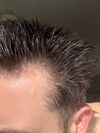
An 18-year-old male experiencing hair thinning and loss is using oral minoxidil, topical minoxidil, finasteride, and a multivitamin as prescribed by a dermatologist. He's having difficulty applying the topical minoxidil effectively due to his hair length, as he feels a lot of it stays on his hair instead of reaching the scalp.
The conversation discusses the frustration of having excessive body hair while experiencing scalp hair loss, with mentions of treatments like finasteride, minoxidil, and hair transplants using body hair. Users share experiences and advice, noting the role of genetics and DHT in hair growth patterns.
A 28-year-old male is experiencing hair loss, possibly due to seborrheic dermatitis, itchiness, or shampoo use, and is considering treatments other than minoxidil or finasteride. He plans to consult a doctor for further advice.
A 22-year-old with 4c hair is considering a hair transplant to address traction alopecia caused by braid extensions. They have tried derma stamping, oils, and minoxidil but stopped due to side effects.
A user with mild psoriasis on the scalp is using finasteride, topical minoxidil, and dermarolling for hair loss but plans to stop minoxidil on the crown due to psoriasis aggravation. Suggestions include switching to a lipid-based minoxidil, using Ketoconazole shampoo, or trying oral minoxidil.
The user is experiencing severe hair shedding while on finasteride and plans to start using ketoconazole shampoo to address a greasy, waxy scalp buildup. They are seeking additional advice for managing hair loss.
A 29-year-old is using 5% topical minoxidil, 5 mg oral minoxidil, 1 mg finasteride, Nizoral shampoo, and weekly microneedling to treat hair loss, reporting significant progress in hair regrowth and hairline improvement. The routine includes applying minoxidil twice daily, managing dead skin with shampoo, and using a baseball cap to maintain hair appearance.
A 29-year-old woman is experiencing gradual hair thinning since age 15, suspects Androgenic Alopecia, and has tried 5% minoxidil with little success. She has purchased various hair loss treatments including minoxidil, dutasteride, finasteride, and spironolactone, but is cautious about starting them due to potential interactions with her ADHD medication.
The user is experiencing hair thinning and brittleness, possibly due to Telogen Effluvium, which affects body hair and may be linked to stress or nutrition. They are considering using finasteride for treatment but are unsure if it will address their symptoms.
Hair loss after telogen effluvium (TE) with thinning and possible scarring, treated with 5 mg oral minoxidil. Concerns about scarring alopecia and lack of regrowth, with suggestions to consider finasteride for better results.
The user is experiencing progressive hair thinning despite using finasteride and dutasteride. A biopsy confirmed male pattern baldness, and minoxidil was suggested as an additional treatment.
The user shared their successful hair regrowth using oral finasteride, minoxidil foam, a custom topical solution, ketoconazole shampoo, and microneedling, resulting in significant improvement at the crown. However, they experienced hairline recession after switching to a topical solution with finasteride and minoxidil, raising concerns about its effectiveness.
The user experienced hair thinning after switching from minoxidil to finasteride, capixyl serum, and PRP treatment. They returned to minoxidil and took vitamin B12 and D3 supplements, but their hair remains thinner, and they are unsure about continuing finasteride.
The user is experiencing thinning at the temporal points and has been using minoxidil, dermarolling, and a mixture of natural oils to improve hair growth. They are considering finasteride as a potential treatment based on shared information.