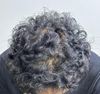
The user has maintained their hairline with finasteride for 5 years and saw no results from minoxidil. They are inquiring if tretinoin alone can cause hair regrowth.
The conversation discusses the effectiveness of anti-androgens for hair loss, with a preference for topical treatments like RU58841 over oral options due to better scalp concentration and fewer side effects. Topical finasteride at 0.1% may provide some results, especially when combined with a topical androgen receptor antagonist like RU58841.
Fluridil is available in Germany, but oral minoxidil and dutasteride are hard to obtain. Users discuss using treatments like Eucapil, RU58841, oral minoxidil, and clascoterone for hair loss, with concerns about side effects and effectiveness.
The potential accuracy and trustworthiness of websites selling Pyrilutamide, a drug related to hair loss treatments such as Minoxidil, Finasteride, and RU58841; and whether Pyrilutamide is four times stronger than RU58841.
Nanoxidil is considered to have better absorption and fewer side effects than minoxidil, with added DHT blockers. The user is questioning if switching to the more expensive Spectral.DNC-N is worthwhile compared to cheaper options like Kirkland minoxidil.
Ordering Pyrilutamide from Minoxidilmax to use as an experimental topical treatment for hair loss, with discussion of the carrier used in trials and encouragement from other users.
Actifollic selling Pyrilutamide as a treatment for hair loss, with people debating its efficacy compared to Minoxidil and Finasteride in combination with RU58841.
Fluridil is hard to obtain and only available in Slovakia and Czechia, with no systemic side effects but possibly limited effectiveness compared to finasteride. The original poster is using finasteride and minoxidil without success and is considering trying fluridil despite its cost.
The conversation is about using PTD-DBM and valproic acid for hair loss. The user is inquiring about the dosage of these treatments, noting that valproic acid is used at a 7.5% solution.
Hair loss treatments like GT20029, pyrilutamide, and Follica show promise in 2022. Phase 1 and 2 trials are underway, and new hair growth studies have been published.
The conversation discusses a botanically derived treatment for androgenetic alopecia using ingredients like saw palmetto, green tea, and evening primrose, showing impressive results over 270 days. Concerns include the study's uncontrolled nature and potential product motivation, with suggestions to enhance absorption through derma rolling.
The conversation discusses the progress of Clascoterone (Breezula) for hair loss treatment, noting that COVID-19 delayed female trials by three months but Phase III trials for males are proceeding with a Special Protocol Assessment filed with the FDA. Users express hope for Breezula as an alternative to existing treatments like finasteride and minoxidil, despite concerns about its potential high cost.
The conversation is about using valproic acid, an anti-seizure medication, as a topical treatment to promote hair growth. The original poster is seeking personal experiences from those who have tried this method.
The user has been using finasteride for over three years, which initially stopped balding and caused regrowth, but recently noticed hairline recession. They started using topical minoxidil two months ago and are considering switching to oral minoxidil and possibly dutasteride.
The user discovered they had been using fake minoxidil for months, leading to hair thinning, and decided to switch to a trusted brand from Walmart. Another user suggested seeing a dermatologist for prescription minoxidil and recommended Kirkland brand minoxidil and finasteride for effective hair loss treatment.
Topical finasteride can be effective for some, especially if oral finasteride causes side effects, but results may vary and can be slower. Combining topical finasteride with minoxidil is common, though some users switch to oral treatments for better results.
Extended-release oral minoxidil (VDPHL01) shows promising results for hair growth with improved safety, achieving significant hair count increases and minimal side effects compared to placebo. The treatment is designed to maintain effective concentrations while reducing side effects, making it a safer option for those who cannot tolerate standard minoxidil.
Celebrities may use Dutasteride for hair loss, but Finasteride is more commonly used due to its extensive research and long-term safety. Dutasteride is considered more effective but is often used off-label or as a secondary option.
An 18-year-old male with a family history of baldness started using 5% minoxidil and 0.01% finasteride spray for hair loss. Suggestions included getting a blood test, considering oral dutasteride, and trying oral minoxidil.
A 23-year-old male has been experiencing hair loss since age 19 and has tried topical minoxidil, oral finasteride, and topical finasteride, but experienced side effects. He is considering oral minoxidil as a last resort and seeks recommendations.
A user accidentally ingested minoxidil instead of melatonin, leading to a humorous discussion about similar mix-ups and the effects of minoxidil. The user now stores the bottles separately to avoid future mistakes.
Dairy may contain DHT precursors that could affect hair loss and prostate health, with some users noting reduced hair shedding after eliminating dairy. Individual responses to dairy and DHT blockers vary, with some attributing hair health to diet changes and others seeing no impact.
The conversation is about finding an online pharmacy within the EU that sells oral minoxidil and finasteride. Recommendations include Justhair and Minoxidiexpress.
A 26-year-old male is considering switching from Finasteride to Dutasteride for more effective hair restoration, while others share experiences and advice on transitioning between these treatments. Many suggest gradually integrating Dutasteride with Finasteride to avoid shedding, and some report positive results with Dutasteride, though regrowth is not guaranteed.
The conversation discusses using oral spironolactone for hair loss in males when 5ari blockers fail. Concerns are raised about spironolactone's side effects, and alternatives like pyrilutamide and breezula are suggested.
A user shared their experience with a 7600 graft hair transplant using scalp, beard, and chest hair over three procedures, expressing satisfaction with the results despite mixed feedback. They also used finasteride to thicken hair and considered scalp micropigmentation for further improvement.
A user is concerned about hair loss in the temple area despite using Minoxidil and finasteride for 10 months and is curious if PP405 can help. Responses indicate uncertainty about PP405's effectiveness, with some optimism about future treatments and AI speeding up drug discovery, but emphasize waiting for clinical trial results.
The user switched from oral finasteride to oral dutasteride and increased minoxidil dosage, seeing significant hair improvement over a year. They plan to wait until age 35 for a hair transplant, aiming for optimal results.