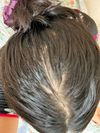
Minoxidil (Lipogaine) and Ketoconazole shampoo (Regenepure) are recommended for hair loss treatment, while finasteride is considered risky due to potential side effects. Biotin is not advised due to possible health risks, and the user emphasizes the emotional impact of hair loss and the hope for a future cure.
The user noticed hair thinning since age 15, initially attributed to a Vitamin D deficiency. They are currently using Rogaine and considering Propecia but are hesitant about a scalp biopsy; they seek financially practical treatments for male-pattern baldness.
Ketoconazole shampoo helps reduce hair shedding and improve thickness for some, but can cause dryness or irritation. Its effectiveness compared to finasteride or minoxidil varies among users.
The user shared their hair loss journey, trying various methods like a hair system and scalp micropigmentation, and recently started using finasteride and minoxidil with supplements like biotin, zinc, and ketoconazole shampoo. Another user mentioned starting dutasteride and minoxidil with biotin and zinc.
Akkermansia bacteria can improve hair growth inhibited by testosterone, and metformin may increase Akkermansia, which could help with hair loss related to aging, insulin resistance, and inflammation.
Kintor's GT20029, a treatment for hair loss, has completed Phase 1 successfully, showing promise as an androgen receptor degrader that could potentially regrow hair. It is considered more effective than Pyrilutamide, with infrequent dosing and minimal systemic absorption.
The conversation discusses changes in scalp texture and appearance in areas of hair loss, with concerns about the suitability of these areas for hair transplants. Users mention issues like fibrosis, inflammation, and thinner skin, advising caution and consultation with clinics before proceeding with transplants.
Finasteride, minoxidil, and derma rolling are currently the best treatments for hair loss. New treatments like TDM-105795, GT20029, PP405, HMI 115, Tsuji, Scube 3, RU, JW0061, Topilutamide, and verteporfin show promise but have uncertain timelines.
A 29-year-old female is experiencing severe hair loss and bald patches, seeking advice on shampoos, conditioners, hair masks, or topical medications. A user suggests starting an oral supplement.
A user shared their experience using capsaicin from chili peppers and occasional topical minoxidil to promote hair growth, noting noticeable improvements without significant side effects. They previously experienced side effects from dutasteride and minoxidil but found the new regimen effective and manageable.
The conversation is about creating a topical hair loss treatment with B6, zinc, and azelaic acid, which is claimed to inhibit 90% of scalp DHT. One user is skeptical about the effectiveness of this treatment and its comparison to other treatments without side effects.
The conversation is about the struggles of dealing with diffuse thinning at a young age and the lack of significant improvement after using treatments like finasteride and minoxidil. Some suggest additional methods like derma rolling, microneedling, and hair fibers, while others share their own experiences and encourage persistence with treatment.
A 22-year-old male experiencing hair thinning is considering starting finasteride but is concerned about potential side effects and hereditary factors. While waiting to access finasteride, he plans to use pumpkin seed oil, saw palmetto, biotin, and vitamins, and is advised to check blood levels before starting treatment.
A male in his early 20s with CCCA (scarring alopecia) started treatment with Finasteride, Fluocinolone, and Doxycycline. Steroid injections were suggested but not yet done.
The conversation discusses the link between seborrheic dermatitis, acne, and male pattern baldness, suggesting that DHT may cause both skin conditions and hair loss. Treatments mentioned include RU58841, finasteride, dutasteride, minoxidil, Nizoral shampoo, and other topical anti-androgens.
A person with hair loss since COVID-19 is considering treatments like finasteride and minoxidil but is hesitant due to potential side effects. Suggestions include visiting a dermatologist, using a ketoconazole shampoo, and considering that post-COVID hair loss might be an autoimmune response.
PP405 is the most promising future treatment for hair loss, aiming to reactivate dormant hair follicles. Clascoterone 5% is the most promising near-term drug, while current strategies include using finasteride or dutasteride to stabilize hair loss and minoxidil to stimulate growth.
Folligenz liposomal minoxidil sulfate is being discussed for its effectiveness and cost, with users comparing it to regular minoxidil and tretinoin. One user found no difference with the 10% version and noted that a lower tretinoin percentage reduced side effects like skin peeling.
A user discusses their rapidly receding hairline and a prescribed topical solution containing 7% Minoxidil, 0.1% Finasteride, and 3% biotinoyl tripeptide. The solution is a custom compound from their dermatologist, costing $50 for a one-month supply.
GT20029 shows promise as a topical treatment for hair loss, potentially replacing finasteride for some due to its low systemic exposure and ability to degrade androgen receptors. However, skepticism remains about its long-term efficacy and availability, with some users expressing doubt about new treatments consistently failing to reach the market.
A user is experiencing hair loss and is using Morr F 5% Minoxidil, Finasteride Lipid Solution, ketoconazole shampoo, and biotin tablets. They seek advice on the correct application method and hair partitioning.
A user asks about experiences with Minichek F 5% with Procapil, specifically its drying time. Responses discuss the effectiveness and drying time of the treatment.
Topical melatonin was found to significantly increase hair density and decrease scalp conditions like seborrheic dermatitis. The user is considering using it alongside finasteride and oral minoxidil for treating hair loss and scalp health.
A 22-year-old is frustrated with friends and family's dismissive attitudes towards hair loss and finds support and hope in an online community. They have not yet treated their hair loss but are considering medications like minoxidil and finasteride.
The user has been experiencing diffuse hair thinning despite using finasteride, minoxidil, dermarolling, clobetasol cream, and PRP sessions. They seek advice on additional treatments and are advised to check vitamin D, iron, and thyroid levels.
Elevated bile acids can inhibit the enzyme AKR1C2, leading to increased DHT levels, which may accelerate hair loss in those predisposed to androgenetic alopecia. Treatments mentioned include topical minoxidil and finasteride.
Obscure hair loss topicals like Alfatradiol, Fluridil, and Stemoxydine are discussed. They may be considered for those not responding well to common treatments like Minoxidil and Finasteride.
A user with diffuse thinning, currently using finasteride, biotin, minoxidil, and nizoral shampoo, is considering a topical solution called "82M" but is skeptical due to its high cost and lack of supporting research. They seek others' experiences with "82M."