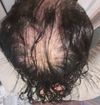
A 31-year-old man is experiencing hair loss, using minoxidil with mixed results, and has started finasteride. He is considering a hair transplant if these treatments are ineffective.
Hair regrowth after chemotherapy varies; some experience thinner or differently colored hair, while others may see fuller regrowth. Treatments like essential oils, vitamins, and lifestyle changes are discussed, but no specific medications like Minoxidil or Finasteride were used by the original poster.
The conversation discusses a five-year hair maintenance routine involving microneedling, minoxidil, finasteride, biotin, and thickening shampoo. Opinions vary, with some seeing maintaining hair as a success and others expecting more visible results.
Annual hair shedding occurs for user, lasting 3 months, despite various factors. User takes Finasteride, Minoxidil, and Dutasteride, and experiences regrowth but fears weakening hairline.
Users discuss the release of Pyrilutamide 1% outside China and its potential effectiveness compared to 0.5%. They also mention using Minoxidil, Finasteride, and RU58841 for hair loss treatment.
Patience and consistent use of treatments like Dutasteride and oral Minoxidil are key for hair regrowth, with noticeable improvements often taking around 10 months. Maintaining scalp health with products like ketoconazole shampoo and conditioners is also important for effective treatment.
User has been on 1mg finasteride for 6 months, using minoxidil, derma rolling, rosemary oil, and pumpkin seed oil, seeing new but thin hair growth. Another user advises patience, noting hair loss stabilization and some regrowth.
The importance of patience when using treatments for hair loss, such as finasteride, minoxidil and RU58841, which can take 6-12 months to show results, sometimes causing initial hair loss. Everyone's experience is different, so it may take time to find what works best.
The conversation emphasizes the need for patience when using finasteride for hair loss, as it can take up to 2 years to see maximum results, and results vary from person to person. Some users also discuss dosage adjustments and side effects, highlighting individual differences in response to the treatment.
People discussing hair loss treatments emphasize the need for patience, as results from using finasteride and minoxidil can take 8-12 months or longer. Some users report early signs of improvement, while others experience continued shedding or slower progress.
Hair loss treatments like finasteride, minoxidil, and dutasteride require patience, as they can take months or years to show results, with initial shedding being common. Consistency is key, and unnecessary supplements should be avoided to prevent stress and impatience from worsening the situation.
Dutasteride can take 6 months to 2 years to show results, and patience is needed during the shedding phase. Some users suggest adding RU58841 to help maintain existing hair.
A user is concerned about hair loss despite using finasteride for 6 months. Others suggest patience, noting visible regrowth and recommending a combination of finasteride and minoxidil.
The conversation discusses hair loss treatments, emphasizing the importance of patience and sticking with a treatment for at least 12-18 months before judging its effectiveness or adding new treatments. Users share experiences and agree that introducing treatments too quickly can lead to panic and negative outcomes.
The conversation is about hair regrowth progress using finasteride and minoxidil. Users suggest continued use and patience for increased density and strength of hair.
An 18-year-old experiencing rapid hair loss is advised to use Minoxidil and finasteride to regrow hair and prevent further loss. Patience is recommended as these treatments take time to show results.
A user successfully regrew hair using oral finasteride (1mg daily for 3 years) and topical minoxidil (5% twice daily for 15 years) with no side effects. They highlighted the importance of consistency and patience, crediting finasteride for significant hair improvement.
The conversation is about a user's three-year progress in reversing hair loss using daily Dutasteride 0.5 mg and topical Minoxidil, with no side effects. The user emphasizes patience, as significant results were noticed after one year, despite a strong family history of early baldness.
The user has been using finasteride and dutasteride for six months, experiencing a complete stop in hair shedding but minimal regrowth. They are considering adding RU58841 for potential regrowth, with advice suggesting patience as significant results often take 12-24 months.
The user is concerned about hair shedding despite using topical Minoxidil and oral Finasteride for a year. Others suggest that shedding can be normal, and the treatment may still be effective, advising patience and monitoring.
Hair loss treatments like finasteride and minoxidil take time to show results, often requiring 6-12 months for noticeable improvement, especially at the temples. Users suggest patience, as initial shedding is common, and full benefits may not be seen until a year of consistent use.
A 25-year-old male has been using topical finasteride and minoxidil for 2.5 months without noticeable improvement, experiencing some shedding. Users advise patience, noting significant results may take up to a year or more.
The user is taking dutasteride and minoxidil for hair loss but is concerned about continued hair shedding and lack of visible results. Others advise that shedding is normal, suggest better photo documentation for comparison, and recommend patience as results may take longer to appear.
The conversation discusses hair loss treatments, specifically using Dutasteride, needling, and Minoxidil for temple regrowth. It highlights the importance of patience and managing expectations while trusting the process.
A 25-year-old male with androgenetic alopecia experienced improved hair condition after using finasteride, oral minoxidil, and dutasteride, but later faced diffuse thinning and texture deterioration after a shedding phase. Others suggest patience, continued treatment, and using ketoconazole shampoo, with some sharing similar experiences of post-shed thinning.
Finasteride can cause initial hair shedding as part of the treatment process, which is normal and often leads to regrowth of healthier hair. Users discuss experiencing multiple shedding phases and emphasize patience, as results can take several months to become noticeable.
At 4 months post hair transplant, the user is taking oral minoxidil and finasteride, and progress is on track. Users suggest the results are good, with some recommending patience and others offering hair care advice.
The user experienced initial hair regrowth with 1 mg finasteride and 5 mg minoxidil but began shedding after 4-5 months, which others suggest is common and may lead to thicker regrowth. Users recommend patience, as results can take up to 12-24 months, and suggest considering specialized clinics for hairline design if unsatisfied with medication alone.
A 24-year-old is using 5% topical minoxidil once daily, 1mg finasteride daily, and a derma stamp weekly for hair thickening. Users advise patience, caution with the derma stamp, and suggest waiting longer to see significant results.