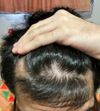
The user shared progress pictures after one year of using finasteride and minoxidil for hair loss. They initially tried microneedling but stopped due to pain and side effects.
Minoxidil can effectively promote hair regrowth with consistent use, but results differ among individuals. Some recommend combining it with finasteride for better long-term results, though OP chooses to use only minoxidil and accepts the possibility of going bald.
PP405 is a potential hair loss treatment that may activate dormant hair follicles, but there are concerns about its effectiveness, cost, and side effects. Users discuss treatments like minoxidil, finasteride, and RU58841, expressing skepticism about PP405's long-term success and accessibility.
The user is experiencing prolonged hair shedding despite using Dutasteride, Xpecia, Ocean Capilus, and microneedling. They are considering adding minoxidil due to concerns about the effectiveness of their current regimen.
A user shared their positive experience with a 4750 graft hair transplant at Dr. Orçun Clinic in Istanbul, including a high-quality exosome treatment. Despite skepticism and accusations of advertising, the user expressed satisfaction with the natural-looking results and the doctor's personal involvement.
A user shared a 5-month update on their hair transplant, praising the natural results and the surgeon in Patna, India. They mentioned using 2000 grafts at a cost of 90,000 INR and discussed the importance of taking finasteride or dutasteride to maintain the transplanted hair.
The user started using finasteride and minoxidil and noticed fine, spikey hairs on their scalp after oiling with coconut and blackseed oil. Responses suggest these fine hairs could indicate hair regrowth, but more time is needed to see results.
Microneedling and Platelet-Rich Plasma (PRP) are equally effective for treating androgenetic alopecia, with no additional benefits from PRP over microneedling. Both treatments are safe and well-tolerated.
A 47-year-old used finasteride and minoxidil for a year without results and is concerned about whether it's too late to regrow hair. Another user suggests continuing the treatments and adding microneedling for potentially better results, emphasizing patience.
High-dose oral minoxidil (>5 mg/day) can increase hair density in some men with androgenetic alopecia, but side effects like extra body hair and heart issues are common. Gradual dose increase is advised, but adverse effects may lead to discontinuation or dose adjustments.
Hair transplants in Turkey often involve high-volume, low-quality procedures with untrained staff, leading to unreliable results. Many users recommend choosing experienced surgeons who perform fewer surgeries per day, even if it means paying more in countries like Switzerland, Spain, or Thailand.
A 24-year-old is using finasteride, minoxidil, and dermarolling for hair loss, seeing some progress after 70 days. Users advise patience, caution with dermarolling, and discuss potential side effects.
Switching generic finasteride manufacturers can reduce side effects while maintaining effectiveness. Different fillers in generics may affect bioavailability and cause varying side effects.
A user is seeking a European supplier for a 3-in-1 hair loss medication containing Minoxidil, Finasteride, and Biotin. Suggestions include using forwarding services and a UK-based provider, with discussions on potential import taxes.
PP405 is a new hair loss treatment that may outperform minoxidil and finasteride by growing thick hair in bald areas within four weeks. Its release is expected around 2028, but concerns about its long-term efficacy and cost remain.
A satirical discussion about a hair transplant, with humorous comments on graft placement and clinic choice. The conversation includes references to a "Rebuild a Scalp Clinic" and jokes about using pubic hair and overharvesting.
The conversation discusses hair loss and hairstyles for balding men, with some users suggesting treatments like Minoxidil, finasteride, RU58841, and dutasteride. The focus is on embracing unique hairstyles instead of shaving, with mixed opinions on their appeal.
A user is interested in Absci's AI-driven antibody platform, ABS-201, for treating androgenetic alopecia, which shows promising preclinical results and potential for hair regrowth and pigmentation restoration. However, concerns are raised about the drug's development timeline and its advantages compared to existing treatments.
The user has been using finasteride for 8 months to address hair loss and plans to add minoxidil in January if needed. They are experiencing mixed results and are hopeful for improvement, while others in the conversation discuss similar experiences and the effectiveness of combining treatments.
A 36-year-old experienced slow, diffuse hair thinning over 15 years and saw significant improvement using 5% topical minoxidil alone for 3 months, without finasteride or microneedling. The user is pleased with the results, noting increased hair density and no visible scalp, and plans to continue monitoring progress without using hormone-affecting treatments.
Topical finasteride 0.01% may not show results after 2 weeks; it typically takes 3-6 months. Consistent application is advised for potential hair maintenance.
The user experienced significant hair regrowth using finasteride 1mg and minoxidil 2.5mg daily over 8-9 months. They reported initial side effects but saw progress around months 7-8, attributing success to patience and consistent use.
KX-826 combined with minoxidil significantly increases hair growth compared to minoxidil alone for treating male androgenetic alopecia, with no unexpected safety concerns. Users discuss various hair loss treatments, including KX-826, minoxidil, finasteride, and RU58841, sharing personal experiences and sourcing information.
The user has been using 1.5mg finasteride daily for four months and added minoxidil with a dermaroller for one month but stopped due to eye floaters. There is some improvement in hair regrowth, and suggestions include continuing treatment, using ketoconazole shampoo, and considering other supplements like vitamin D, saw palmetto, and biotin.
The user is taking oral minoxidil, dutasteride, and finasteride but hasn't seen improvement in hair thickness. They experienced hair loss after switching from topical to oral minoxidil.
The user is experiencing significant hair loss after switching from finasteride to dutasteride for five months. Suggestions include that the hair loss might be a normal shedding phase, with some recommending continuing the treatment for up to 24 months or considering alternatives like RU58841.
Low-dose oral minoxidil is a safe and effective hair loss treatment with fewer side effects than previously feared. Users often prefer it over topical minoxidil for better results, though some experience side effects like increased body hair and cardiovascular issues.
The user has been using Finasteride and Minoxidil for 7 months and started microneedling a month ago, but is experiencing increased hair shedding and is concerned about its effectiveness. They have vitamin D3 and B12 deficiencies and are seeking advice and encouragement due to a family history of baldness.