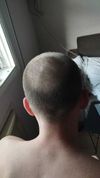
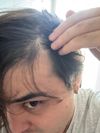
A 19-year-old using finasteride for hair loss seeks advice on additional treatments. Suggestions include microneedling, minoxidil, and ketoconazole shampoo, with concerns about side effects discussed.
A British man's death at a Turkish hair transplant clinic raised safety concerns about such clinics. Users discussed risks of cheaper clinics and suggested alternatives like Thailand, Korea, and Colombia.
The user experienced significant hair regrowth and healthier hair after two months of using oral finasteride, minoxidil, and biotin, despite an initial shedding phase. They reported no negative effects on their beard or facial bloating and were surprised by the quick results.
The user is using 5% Minoxidil and 0.1% topical Finasteride and is considering adding 0.5mg Dutasteride every 5 days to stabilize hair regrowth. Consistency with treatment is advised, and there is no strong evidence linking Finasteride or Dutasteride to fertility issues.
A 17-year-old is concerned about hair thinning and unable to see a dermatologist for a year. They are advised to consider using topical minoxidil and possibly finasteride in the future.
The user experienced hair loss improvement with minoxidil, finasteride, dutasteride, and keto shampoo but began shedding again despite medication changes. Other users suggest sticking to a consistent treatment plan and checking vitamin levels, as deficiencies can contribute to hair loss.
The user has been using topical finasteride, Latanoprost, and other treatments for hair loss but hasn't seen progress and is considering increasing the finasteride dosage or switching to dutasteride. They cannot use minoxidil due to heart issues and are seeking advice on other options.
A 21-year-old is experiencing aggressive hair loss despite using minoxidil, dutasteride, and GFC, and is seeking advice on whether to switch treatments or consider a hair transplant. Suggestions include continuing current treatments, checking for underlying health issues, and considering alternatives like RU58841 or microneedling.
A 26-year-old man shared his positive results after 10 months of treating male pattern baldness using a regimen that includes Estradiol Enanthate, DHPA, Bicalutamide, Dutasteride, oral and topical Minoxidil, and a dermaroller. He experienced mild gynecomastia and reduced body hair as side effects but was satisfied with the outcome.
Dutasteride is effective for many in reducing hair loss and promoting regrowth, often with fewer side effects than finasteride. Combining it with minoxidil is commonly seen as a successful strategy, though results may take several months.
The user experienced hair improvement using minoxidil, microneedling, and finasteride, with noticeable progress at the temples. They attribute most gains to minoxidil and plan to continue treatments, noting no significant side effects except increased libido.
The user is experiencing hair regrowth after 4.5 months using 1 mg finasteride daily, 5% minoxidil twice daily, and ketoconazole 2% shampoo. Suggestions include microneedling and possibly a hair transplant for further improvement.
A 21-year-old male is experiencing potential hair regrowth after using minoxidil, finasteride, microneedling, and ketoconazole shampoo. Users are optimistic about his progress, advising patience and consistency.
The user has been taking 0.25mg of oral finasteride daily for a month and is considering increasing the dose to 1/3 of a pill. They have also been using topical minoxidil for several years.
A 22-year-old male experienced positive hair regrowth after using oral minoxidil and finasteride for over four months, noting slight changes in hair density. He initially used topical minoxidil but switched to oral due to having pets, experiencing minimal shedding and no significant side effects after initial lethargy from finasteride.
A treatment showed a 20% hair density increase in weeks, with nearly a third of participants experiencing significant results, while questions remain about its long-term efficacy and effectiveness across different scalp areas. There is interest in combining it with finasteride and minoxidil for potentially better outcomes.
Gut microbiota significantly influences androgen metabolism, impacting hair loss treatments like finasteride. Probiotics, dietary changes, and fecal microbiota transplants may help manage DHT levels and improve hair health.
Finasteride is effective in promoting hair growth and reversing hair miniaturization in men with androgenetic alopecia, with improvements seen in various studies over different durations. Some users report initial side effects like ball ache, which often resolve as the body adjusts.
The conversation is about an 18-year-old experiencing hair loss after using Minoxidil, with suggestions to add Finasteride to improve results. Users advise that Minoxidil alone doesn't address the root cause of hair loss, and combining it with Finasteride may help maintain hair growth.
The user is stressed about hair loss and is using a HIMS topical treatment containing finasteride, ketoconazole, minoxidil, and biotin, but is concerned about the oily appearance it causes. They are considering switching to Rogaine (minoxidil) due to budget constraints and side effect concerns with oral finasteride.
Dutasteride and Minoxidil can cause initial hair shedding, which is normal and part of the process. Consistency and patience are crucial, as visible improvements may take over three years.
A 28-year-old male has been using oral finasteride and minoxidil for over a year without seeing significant results in hair thickness, particularly in the front. He is considering adding dermastamping to his routine and is exploring whether topical treatments might be more effective.
A 40-year-old shared their positive experience with a second hair transplant at HDC Cyprus, involving 4148 grafts and costing around 9,000 euros. They used oral minoxidil, Dutasteride, biotin, and vitamins to aid recovery and were pleased with the results.
The user is seeing slow hair regrowth using Minoxidil, Finasteride, a derma roller, vitamins, and zinc. Some suggest switching to dutasteride or adding other treatments, but others doubt significant cosmetic improvement due to advanced hair loss.
A user shared their positive progress after 3.5 months of using finasteride and minoxidil for hair regrowth, noting increased hair density and new growth around the temples. They experienced minimal side effects and slight initial shedding, and emphasized the importance of consistency and patience with the treatment.
Dutasteride is more effective than Finasteride for hair loss, with similar safety profiles. Individual responses vary, and factors like Minoxidil use and age differences may influence results.
Dermatologists often advise against at-home microneedling due to risks of scarring, infection, and improper technique. Professional guidance is recommended for safe and effective use, with some users reporting positive results when done correctly.
Finasteride can cause dry eyes and vision issues due to its impact on the meibomian glands. Users have mixed experiences, with some experiencing eye discomfort and others having no side effects.
Cyclosporine A is discussed as a powerful hair growth stimulant, potentially more effective than minoxidil, but concerns about safety and side effects, including cancer risk, limit its use. The conversation highlights the need for further research and experimentation with topical application, despite its risks.
Regrowing hair with finasteride and minoxidil can boost confidence and improve dating prospects. However, confidence and personality are considered more important than appearance in relationships.