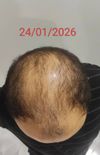
The user is using 5% Minoxidil, a 1 mm derma stamp, Vitamin D3, Zinc, and anti-dandruff shampoo for hair regrowth. They plan to consider DHT blockers like finasteride in the future.
A 30-year-old man has been treating his hair loss with 5% Minoxidil foam, a combination of 0.3% Finasteride and 6% Minoxidil at night, weekly dermastamping with 1.5 mm needles, and 1% ketoconazole shampoo 2-3 times a week for four months. He is asking for opinions on his hair regrowth and whether he can expect full recovery of his crown.
A 47-year-old experienced significant hair regrowth using a combination of finasteride and minoxidil, despite initial setbacks with scalp inflammation from minoxidil. The treatment improved hair thickness and color, though some sexual side effects were noted.
The user shared their positive experience with a hair transplant in South Korea, highlighting thorough consultations, consistent medical team involvement, and reasonable pricing. They noted good growth and natural-looking results after several months, with stem cell PRP treatment included to support graft survival.
The conversation is about someone experiencing hair regrowth after using finasteride (1mg) for six months, minoxidil 5% for five months, and microneedling twice a week. Respondents agree there is noticeable improvement in hairgrowth.
Hair loss progress after 12 months using minoxidil, finasteride, and microneedling. Goal is to maintain and improve hair until old enough for hair transplant.
Man experiences happiness after seeing himself with hair, discussing treatments like transplants, hair systems, Minoxidil, and Finasteride. Users share experiences, societal expectations, and desire for accessible solutions.
The user has been using finasteride, minoxidil, and a dermaroller for 80 days to treat hair loss. Early results are noted, but significant improvement is expected in 3–6 months.
A 35-year-old has seen no hair regrowth after 9 months using treatments including finasteride, pyrilutamide, microneedling, ketoconazole shampoo, and topical dutasteride, but experienced side effects with RU58841. Commenters suggest starting minoxidil for better results and question why it wasn't included from the beginning.
A 25-year-old shared their hair regrowth journey using topical minoxidil, then switching to oral minoxidil and finasteride, experiencing significant improvement but planning a future hair transplant. Other users discussed their experiences with treatments like dutasteride, with some expressing concerns about side effects and treatment effectiveness.
A user shared their experience with a beard-to-scalp hair transplant, noting no visible scars and improved hair density using finasteride and minoxidil. The conversation discusses the differences between beard and scalp hair, potential changes in hair texture, and the use of beard hair for increased scalp coverage.
A user shared their positive hair transplant results after 19 months without using finasteride or minoxidil, only vitamins. Some responses suggest concern over future hair loss without prevention treatments, while others congratulate or express jealousy.
The user tried minoxidil 5% for 3 years with little improvement, then switched to a 15% minoxidil with 0.1% finasteride solution once daily and started using pyrilutamide, resulting in significant hair regrowth over time. They are considering a hair transplant but are continuing with topical treatments to maximize hairgrowth first.
The user experienced significant hair regrowth using topical minoxidil 5% twice daily and 1mg finasteride daily, along with microstamping every 14 days. They reported initial shedding but achieved satisfying results by month four, with minimal side effects.
The conversation is about alternative measures for hair regrowth for those who did not respond to finasteride or dutasteride, including the use of minoxidil and addressing vitamin deficiencies through blood tests.
A user shared their hair regrowth journey, using a treatment protocol that includes 1mg finasteride daily, 1ml minoxidil twice daily, 1.5mm microneedling weekly, oral castor oil, and ketoconazole shampoo. They also improved their diet, hydration, and took supplements, and have seen positive results after 3.5 months.
A 22-year-old male is not seeing hair regrowth after using minoxidil and finasteride for a year and additional treatments for three months. Suggestions include improving scalp absorption with sea salt and trying a lipid-based solution, microneedling, and possibly switching to dutasteride if no improvement after 1-2 years.
The conversation discusses a hair loss treatment regimen that includes scalp massage, derma rolling, saw palmetto, rosemary, peppermint oil, pumpkin seed oil, and various supplements like vitamins C and D, multivitamins, biotin, collagen, and fish oil. The user is asking if the treatment has led to hair regrowth.
The user is using biotin, pumpkin seed oil, saw palmetto, green tea, Minoxidil, Nizoral shampoo, and derma rolling to combat hair loss but is hesitant to use finasteride due to potential side effects. Others suggest that without finasteride or dutasteride, the natural approach is unlikely to be effective long-term.
User shared their four-month hair regrowth journey using minoxidil twice daily and low-dose finasteride. They reported noticeable improvement, mild scalp itchiness, and advised caution with hair bleaching.
A gel of keratin microspheres promotes hair follicle growth, showing similar effectiveness to minoxidil in mice. The treatment activates hairgrowth pathways and reduces inflammation, with potential applications in drug delivery for hair-related disorders.
A 27-year-old male shared his 7-month hair regrowth progress using finasteride, keto shampoo, rosemary oil, and both oral and topical minoxidil. He experienced initial shedding but is pleased with the results and plans to continue the treatments.
The individual had a hair transplant in Turkey with 4052 grafts, resulting in significant hairgrowth and increased confidence. They use finasteride, rosemary oil, and vitamins, and are pleased with the natural-looking results, encouraging others to consider similar treatments.
The individual has seen hair regrowth over a period of 1 year and 4 months using 1mg finasteride daily, minoxidil foam twice daily, ketoconazole shampoo, thick fix shampoo and conditioner, saw palmetto, biotin, keratin, and dermarolling. They are pleased with the results and no longer feel overwhelmed by hair loss.
The user experienced good hairgrowth results using a combination of finasteride, minoxidil, and a topical formulation, but faced temporary numbness as a side effect. They manage this by microdosing oral finasteride and minoxidil and using the topical formulation sparingly.
A user shared their 4-month post-hair transplant progress, noting they use oral minoxidil, oral finasteride, biotin pills, and a hair repair serum. They are pleased with the results and hope for increased hair density.
The user experienced noticeable hair regrowth in three months using finasteride, minoxidil, and weekly dermastamping, while managing scalp inflammation with clobetasol. The user also uses a sea salt shampoo and rosemary conditioner to help maintain scalp health.
The user experienced significant hair regrowth using high doses of dutasteride, minoxidil, and finasteride, but still considers a hair transplant due to thin hair and limited temple improvement. They face challenges accessing medication and are exploring additional treatments like microneedling.
The user is experiencing hair regrowth after two months using topical finasteride, minoxidil spray, and weekly microneedling. They report less hair loss and stronger hairgrowth.
After one month of treatment with finasteride, minoxidil, dermarolling, ketoconazole shampoo, hair vitamins, and vitamin D3, the user reports minimal visual progress and increased shedding, but notes stronger body hair and light fuzz on eyebrows. The user is inquiring about potential hair regrowth.