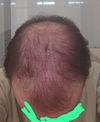
A user shared their 11-year experience with finasteride, noting temporary increased shedding that stopped, and advised continuing the treatment despite seasonal shedding. They reported no side effects and maintained a full head of hair.
A user is experiencing worsening hair loss despite using finasteride, PRP treatments, and supplements like vitamin D, biotin, zinc, and iron. They are seeking advice on whether to continue with finasteride, increase the dosage, or try additional PRP sessions.
A 37-year-old man treated his hair loss with 0.5mg finasteride every other day and 5% minoxidil twice daily for 5 months, reducing finasteride from 1mg due to side effects. His hair improved significantly, with positive changes visible from all angles, and he experienced no more side effects after the dosage adjustment.
A peptide-based delivery system for finasteride shows promise in reducing systemic side effects while maintaining hair growth effectiveness. Combining this with other treatments like minoxidil and RU58841 could enhance results with lower systemic absorption.
Fluridil degrades androgen receptors, which are prevalent in the scalp and other tissues. People with androgenetic alopecia (AGA) may have higher expression of these receptors and 5AR activity in affected scalp areas.
A 21-year-old male switched from finasteride to 0.5mg dutasteride daily due to ongoing hair loss but has not seen improvement after 14 months, experiencing further thinning and recession. He is seeking feedback from other dutasteride users on their results after a similar duration.
OP used oral Dutasteride and Minoxidil but saw significant improvement only after adding PRP treatments. PRP sessions every 4 months maintained the results, though it is expensive.
User experienced hair loss after surgery and was diagnosed with TE. The doctor recommended PRP therapy, Finasteride, Anatrix pro Hair Serum, a multivitamin, and a lotion and shampoo containing Zinc Pyrithione.
Green tea extract and soy isoflavones may help with hair loss by inhibiting DHT and providing additional health benefits. Combining these with finasteride and possibly using nizoral shampoo could enhance effectiveness in managing hair loss.
The user has been treating hair loss with finasteride, dutasteride, oral minoxidil, and pyrilutamide for several years without success and is experiencing an inflamed scalp, possibly due to seborrheic dermatitis. They are seeking advice on additional treatments after these methods failed to improve their condition.
PP405 is viewed skeptically, with some seeing it as overhyped and potentially ineffective compared to existing treatments like minoxidil and finasteride. While it shows some promise in activating dormant hair follicles, many believe it won't replace hair transplants or significantly outperform current options.
A person experienced severe sexual side effects, including loss of libido and erectile dysfunction, after using finasteride and dutasteride for hair loss. They stopped the medications and sought advice, but recovery was slow and uncertain.
The conversation discusses a hair loss and scalp care routine involving ciclopirox shampoo, benzoyl peroxide, clindamycin gel, clobetasol propionate, and calcipotriol to manage seborrheic dermatitis, folliculitis, and inflammation. It also touches on the role of diet and other treatments like oral minoxidil and pioglitazone for scalp health.
The conversation discusses using a combination of DHT gel, dutasteride, pyrilutamide, and minoxidil to promote beard growth while minimizing hair loss. Users suggest consulting a doctor and considering genetic factors before proceeding.
Charts show how long Finasteride and Dutasteride stay in the blood, explaining why 0.5 mg Finasteride is less effective than 1 mg. Dutasteride accumulates over time, leading to gradual results compared to the immediate effects of Finasteride.
Pyrilutamide did not show effectiveness in regrowing hair compared to a placebo, but it may still help maintain existing hair by preventing DHT from causing follicle miniaturization. Some users believe it could be beneficial when used with other treatments like minoxidil, finasteride, and dutasteride.
A user's experience with microneedling monotherapy and potential treatments such as finasteride, minoxidil, Stemoxydine, rosemary oil, peppermint oil, and RU58841 for reversing hair loss.
The user experienced facial puffiness after switching from finasteride to dutasteride, which they believe is due to dutasteride. They are seeking advice on reversing this effect, considering factors like diet, exercise, and potential hormonal changes.
GT20029 showed promising results for hair growth in a Phase II trial, with the 1.0% twice-weekly regimen being the most effective. Some users expressed skepticism and humor about the product's effects and market availability.
The conversation discusses using finasteride, dutasteride, RU58841, and testosterone to combat hair loss and block DHT, with some users expressing concerns about side effects and vegan options for medication. The discussion also touches on personal experiences with hormone treatments and the desire to maintain a youthful appearance.
A 30-year-old man experienced significant hair regrowth and improved libido after using finasteride and dutasteride for androgenetic alopecia, with no adverse effects. He plans to reduce dutasteride dosage when trying to conceive and has been using topical minoxidil since 2015.
The conversation is about a user whose insurance switched their prescription from finasteride to dutasteride, and they are considering whether to appeal the decision or continue with dutasteride. Other users suggest that both medications are affordable without insurance and that dutasteride may be more effective long-term.
A user shared their positive experience with the telehealth service DocBright, highlighting its affordability and effectiveness in prescribing finasteride, oral minoxidil, and ketoconazole. They noted the service's unique ability to provide a prescription at age 17 but criticized the unprofessional communication with the dermatologist.
The post discusses a user's successful hair regrowth using finasteride, dutasteride, topical minoxidil, and estrogen over nine months. The user, who is male-to-female (mtf), reports significant regrowth and no side effects beyond typical hormone replacement therapy effects.
People on finasteride or dutasteride cannot donate blood due to the risk of birth defects if the blood is given to a pregnant woman. It's advised to stop finasteride for a month and dutasteride for six months before donating.
Finasteride improved the user's hair texture and growth, with some initial side effects like libido loss that eventually subsided. The user advises considering lifestyle factors alongside treatment and encourages others to start finasteride if hesitant.
The user convinced their trichologist to prescribe topical finasteride after using topical estradiol and progesterone for hair maintenance. They also discussed the potential impact of "nofap" on hair loss, noting that abstaining for about four months seemed to reduce shedding.
Users discuss their positive experiences with finasteride for hair loss, mentioning halted hair loss, hair regrowth, and improved self-esteem. Some express satisfaction in taking action against baldness, while others note increased libido and energy.