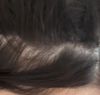
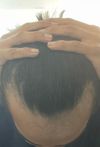
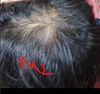
A 15-year-old is experiencing hair loss and has tried rosemary and jojoba oils without success. They are advised to see a doctor for thyroid and androgen tests and consider using Minoxidil.
Alfatradiol is considered safe but less effective than finasteride for hair loss. One user reported subtle regrowth using alfatradiol with finasteride and minoxidil, while another found alfatradiol ineffective.
The conversation discusses the lack of significant advancements in hair loss treatments since the introduction of finasteride 22 years ago, with many expressing frustration over the failure of new projects and skepticism about future developments. Some users mention hair transplants and other potential alternatives like Alfatradiol and Fluridil, but acknowledge finasteride's dominance in the market due to its effectiveness and affordability.
The user is using multiple topical treatments including Minoxidil, RU58841, and Spironolactone, along with supplements, to address hair loss and is considering starting oral Minoxidil. They plan to begin oral finasteride soon after experiencing side effects from topical dutasteride.
Finasteride is effective for treating male pattern baldness (MPB) with minimal side effects, and topical finasteride is similarly effective. Dutasteride is also effective but less understood, and Minoxidil is less effective than Finasteride.
A person with androgeneticalopecia has seen hair improvement using oral minoxidil and finasteride but is concerned about increased body hair. They want to know if stopping minoxidil while continuing hormone replacement therapy and finasteride will cause hair loss.
The user is experiencing increased hair loss and was diagnosed with male pattern baldness. They are considering using oral or topical finasteride to manage the condition and are contemplating cutting their hair short.
A 19-year-old male has been using oral finasteride and topical minoxidil since December, with initial success, but has experienced hair thinning and loss since May. Despite using microneedling and tretinoin cream to enhance minoxidil, his dermatologist advised using only minoxidil, causing concern about worsening hair loss.
Teenagers experiencing hair loss face ridicule instead of support, impacting their mental health. Effective treatments mentioned include minoxidil, finasteride, and dermarolling.
Pyrilutamide, a potential hair loss treatment that has recently been released for sale, and is thought to have similar efficacy to Dutasteride without side effects. It was discussed in terms of its effectiveness compared to Finasteride, its use by females, and whether it can be safely mixed with RU58841.
A 19-year-old male experiencing hair loss is seeking advice on managing it without sexual side effects. He has used topical minoxidil and finasteride but experienced side effects, and is considering lifestyle changes to help slow hair loss.
The conversation humorously discusses hair loss and its treatments, specifically mentioning Minoxidil, finasteride, and RU58841. It highlights a transformation from hairline recession to significant hair regrowth.
The user started hair loss treatment at 19 with oral finasteride and topical minoxidil, later switching to oral Dutasteride and oral minoxidil. Despite ongoing treatments, including microneedling and topical applications, hair loss, particularly at the hairline, continues to progress.
A 21-year-old male is using finasteride, minoxidil, and had a hair transplant to address lifelong thin, diffuse hair loss. Progress pictures show changes over two months.
A user with scalp psoriasis and hair loss is hesitant to use topical minoxidil and finasteride due to concerns about psoriasis and potential side effects. They are considering alternatives like pumpkin seed and saw palmetto.
A 22-year-old from India is using finasteride, Trichoton AT, and a multivitamin to address hair loss, noticing some regrowth. They are concerned about weight gain and the psychological effects of masturbation but find no strong evidence linking it to hair loss.
The conversation discusses the need for a localized 5-alpha reductase inhibitor that only affects the scalp without systemic side effects, similar to pyrilutamide's approach. Current treatments like topical liposomal finasteride and dutasteride are mentioned, but concerns about their systemic effects and lack of research are highlighted.
A 22-year-old is experiencing hairline thinning and has been using topical minoxidil for a year without significant improvement. They are considering finasteride despite concerns about side effects and are seeking reassurance and advice from others with similar experiences.
The user follows a hair loss treatment routine including Propecia, oral minoxidil, ketoconazole, and plans to switch to dutasteride. They also focus on lifestyle changes, dietary supplements, and are considering laser therapy.
Scalp tension potentially affecting hair loss, and potential treatments for male pattern baldness such as Minoxidil, Finasteride and RU58841. Evidence from a study was discussed which suggests that the cause of MPB lies within the follicle itself and is not dependent on its surrounding environment.
The conversation discusses the role of DHT in male hair loss and the effectiveness of treatments like Finasteride, which reduces DHT, and RU58841, which blocks DHT from binding to scalp receptors. The user debates the trade-offs between maintaining hair and having a healthy endocrine system, suggesting RU58841 might allow for both.
A 21-year-old is experiencing hair loss despite using finasteride, minoxidil, derma rolling, vitamins, and keto shampoo. They are contemplating a hair transplant but worry about their age and future hair loss.
The user shared their hair loss progress using finasteride, topical minoxidil, dutasteride, and oral minoxidil, reporting no side effects. They noted significant improvement despite a family history of baldness.
Minoxidil and finasteride are effective for hair loss, especially when used together. Microneedling may enhance minoxidil's effects, but its standalone effectiveness is uncertain.
Treatments for hair loss, including topical dutasteride minoxidil, tretonin, dermarolling, serioxyl, and redensyl over a period of 3 months; switching from RU58841 to pyrilutamide was suggested with potentially less risk of systemic side effects; and encouragement to not give up hope.
The user experienced hair regrowth with dutasteride and oral minoxidil from October 2025 to January 2026, but mid-scalp density decreased afterward despite continued treatment. Ketoconazole improves scalp condition, but stopping it worsens hair appearance.
A 29-year-old is using oral minoxidil, finasteride, hormone replacement therapy (HRT), and microneedling for hair regrowth. They started balding at 20, worsened at 25, and are transitioning with testosterone blockers.
8 months post hair transplant, OP experiences asymmetrical shedding despite using finasteride and starting minoxidil. The doctor suggests it might correct itself or be due to transplant trauma, recommending a wait-and-see approach.
A user is concerned about receding hairlines and considers using finasteride and minoxidil but is hesitant due to potential side effects. Others advise starting treatment early to prevent further hair loss, emphasizing that finasteride is generally safe and effective for prevention.