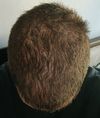
Lab-grown hair using iPSCs is being explored, but practical applications are limited. Finasteride is suggested as the only current effective treatment.
A 35 year old male who has seen good results from Finasteride and microneedling, with minimal side effects. Replies to the post ask about the device used for microneedling, discuss the progress made, and offer encouragement.
Setipiprant and bimatoprost are being discussed as potential future treatments for hair loss. Some individuals have started testing setipiprant before FDA approval, but no progress updates are available yet.
New hair loss treatments, including Breezula, VDPHL01, and PP405, are nearing Phase 3 trials, offering hope for effective solutions. Current treatments like finasteride and minoxidil remain effective, but early intervention is crucial.
A 20-year-old male shared progress pictures after three months of using 1mg oral finasteride daily, 5% minoxidil twice daily, and a 1.5mm dermaroller weekly. He reported significant hair regrowth.
A user experiencing side effects from a 5% minoxidil and 0.1% finasteride topical solution for hair loss reduced their dosage due to numbness and pain in the lower body and is seeking advice on dosage and alternatives like redensyl. They are concerned about the side effects of both medications and are considering adjusting the dose or switching treatments.
A dermatologist refused to prescribe finasteride due to concerns about recent research linking it to male breast cancer, suggesting a topical alternative with minoxidil instead. The user is advised to seek a second opinion, as the evidence for such risks is inconclusive and the dermatologist's reasoning seems questionable.
The conversation is about a user preparing to join the ABS-201 clinical trial for hair loss treatment, which involves a prolactin inhibitor. The user plans to update others on their progress if enrolled.
An 18-year-old has been using oral finasteride for 4.5 months to address hair thinning noticed since Fall 2022. They report the back of their head feels thicker, but are unsure if it's due to actual progress or placebo effect.
A 20-year-old started finasteride two weeks ago for hair loss at Norwood 2 and is seeking experiences from others who began treatment at a young age. The discussion focuses on age-related experiences with finasteride.
RU58841, a potential hair loss treatment, was not commercialized due to marketability issues and lack of long-term safety data. Concerns about its formulation and delivery methods further complicate its use.
The user shared their 6-month progress using 5mg oral minoxidil, 1mg oral finasteride, topical 5% minoxidil, tretinoin, and weekly microneedling, noting improved results after adding these treatments post hair transplant. They hope for continued improvement.
A 36-year-old Latino man has seen progress in hair loss treatment over 4 months using consistent finasteride, topical/oral minoxidil, ketoconazole shampoo, and microneedling. He initially experienced dizziness from oral minoxidil but is hoping for increased hair density in the coming months.
A user shared their positive experience with a hair transplant at Smile Hair Clinic, using treatments like oral finasteride, minoxidil, and dutasteride. They reported no side effects, significant improvement in hair density, and satisfaction with the results.
An 18-year-old has been using 5% topical minoxidil for 2 months for hair loss, with a history of vitamin D deficiency and thyroid imbalance. Users suggest starting finasteride and blocking DHT for androgenetic alopecia (AGA).
The user is considering starting oral minoxidil 2.5 mg, dutasteride 0.5 mg, and topical minoxidil+finasteride for hair loss at Norwood 2. They are also asking if they can avoid some medications and about the effectiveness of PRP with the prescribed treatments.
Topical finasteride (P-3074) can inhibit scalp DHT by up to 70%, with some users experiencing systemic absorption similar to oral use. Users discuss varying application frequencies and concentrations, with some noticing side effects when overused.
A user with kidney disease and high blood pressure experienced hair thinning, especially around the vertex. They are currently using finasteride and oral minoxidil but are considering whether to resume blood pressure medication despite managing symptoms with diet and exercise.
The user is seeking help with using Ell-Cranell for hair loss treatment. They are unsure about the correct application method and dosage. They also inquire about combining microneedling with topical alfatradiol and question a study that referred to alfatradiol as a hair growth inhibitor in male mice.
The conversation discusses the potential of PP405 as a hair loss treatment, with some users expressing skepticism and others hopeful about its development. There is also mention of other treatments like Minoxidil, Finasteride, and Pyrilutamide, with users debating the effectiveness and safety of self-experimentation versus waiting for clinical trial results.
A 24-year-old is seeking advice on whether to get a hair transplant now or wait until age 25, and is asking for clinic recommendations in Puglia, Brindisi, Albania, Türkiye, or Naples.
A 22-year-old is using dutasteride and oral minoxidil for hair loss but is not seeing improvements and is considering adding pyrilumatide and microneedling. Suggestions include trying topical minoxidil, microneedling, and Nizoral shampoo, with a possible future hair transplant.
OP shared progress pictures 8 months after FUE surgery in Korea by Dr. Hyun, using Dutasteride. Users discussed the use of Dutasteride over Finasteride in Korea.
The user has been using finasteride, ketoconazole shampoo, oral minoxidil, and minoxidil foam for hair loss but feels their hair is not as thick as desired. They have stopped using RU58841 due to lack of results and are concerned about hair miniaturization despite these treatments.
A 29-year-old male is using topical minoxidil and microneedling for hair regrowth and is considering adding finasteride. Users suggest adding finasteride for better results.
Different minoxidil formulations affect hair growth and side effects. Higher propylene glycol and pH levels improve effectiveness but can cause scalp irritation.
Tretinoin can irritate seborrheic dermatitis, but using it with a moisturizer on calm skin may help. Parallel Health's skin microbiome testing and phage therapy are suggested for persistent issues.
A 17-year-old is experiencing hair shedding and is concerned about a receding hairline, using hair products like powder and sea salt spray. Advice given includes maintaining good nutrition, ensuring hair products don't build up, and considering further resources if worried.
The conversation discusses whether age affects the side effects and effectiveness of hair loss treatments like finasteride and dutasteride. Some believe early treatment yields better results, while others mention varied outcomes across ages and personal regrowth experiences without a clear consensus on age impact.