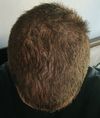
The conversation is about someone's 4.5-month progress using oral finasteride and topical minoxidil once daily for hair loss. They shared their results with progress pictures.
A 17-year-old is experiencing genetic hair loss and is considering treatments like Minoxidil, Rosemary oil, or Finasteride. They have a vitamin D deficiency but believe it is not the cause of their hair loss.
The user shared their 18-month hair loss treatment progress, using finasteride three times a week, daily minoxidil, weekly vitamin D, and bi-weekly nizoral shampoo. They experienced initial shedding and greying, but are satisfied with the results.
The conversation discusses a 17-year-old using finasteride to address early hair thinning, expressing pride in taking action to prevent hair loss. The user emphasizes the importance of starting treatment early and shares experiences with the hair loss community.
Belgium disagrees with the EMA and does not authorize the 1 mg oral form of finasteride for androgenic alopecia, citing a negative benefit-risk ratio. Despite this, some individuals in Belgium can still obtain finasteride through prescriptions, and there is debate over its mental health risks versus its benefits for hair loss and other health issues.
A 23-year-old male is experiencing aggressive hair loss and is considering using finasteride and minoxidil. He is seeking advice on whether to consult a dermatologist for seborrheic dermatitis, the necessity of various medical tests, and the cost of the treatment.
The user believes Retrograde Alopecia may be linked to vitamin imbalances, specifically from taking too much Vitamin E, A, Zinc, and Selenium, and suggests it could be a middle ground between Androgenic Alopecia and Telogen Effluvium. Treatments for hair loss mentioned include Androgen inhibitors and improving lifestyle factors like nutrition and sleep, with topical melatonin also recommended for Retrograde Alopecia.
An 18-year-old is concerned that finasteride hasn't stopped his hair loss after several months. Suggestions include giving it more time, combining it with minoxidil, and consulting a dermatologist.
The user started using finasteride (0.5mg daily) and oral minoxidil (2.5mg daily) at 18, leading to healthier, thicker hair and reduced anxiety about hair loss. They experienced no negative side effects and plan to continue the treatment.
The conclusion of this conversation is that the user "DuckSeasonCamelSeasn" found that consuming grapefruit juice prior to taking finasteride or dutasteride helped them become a responder to the medications and regain hair growth. However, there are warnings about potential risks and interactions with other medications, so caution should be exercised.
A 48-year-old male from the Philippines shared his two-year progress using finasteride only for hair regrowth, experiencing significant improvement without minoxidil. He started with 0.5mg and increased to 1.25mg, later adjusting to every other day due to elevated liver enzymes, and reported 90% hair restoration.
A user who has had positive results from using a regimen of microneedling, finasteride, minoxidil, peppermint oil, keto shampoo and DHT organic shampoo for hair growth. The conversation also addressed whether to use .5mg or 1mg of finasteride and the difference between dermapens and rollers.
The user experienced significant hair growth with oral finasteride but stopped due to side effects. They are considering trying topical finasteride again while waiting for a dermatologist appointment.
Disinfecting microneedlers is important to prevent infection, with suggestions to use high-percentage alcohol or denture tablets for sterilization. Rollers may cause skin damage, so stamps or pens are recommended for safer microneedling.
The conversation is about gathering serum DHT data from individuals taking dutasteride to investigate its efficacy, especially in cases with unexpectedly low DHT reduction. The aim is to explore potential genetic factors affecting drug metabolism.
The user has been dealing with hair loss for 10 years, worsened by psoriasis, and uses minoxidil and finasteride. They seek advice on managing psoriasis and hair loss, with suggestions to see a dermatologist, try different shampoos, and be patient.
The conversation is about the use of peptide therapies for hair loss, specifically GHK-CU, ZN-Thymulin, and PTD-DBM. The user is seeking feedback on the effectiveness of these treatments from those who have tried them.
The conversation is about finding affordable tretinoin with UK delivery options. Users discuss a finasteride, minoxidil, and tretinoin spray from e-surgery and suggest other sources like Zing meds and Skinorac.
The conversation is about personal experiences with Sonsuk Topical Finasteride, Minoxidil, and Tretinoin for hair loss. The original poster is seeking feedback after three weeks of use due to a lack of reviews.
Bimatoprost and latanoprost are being considered for scalp hair growth, with concerns about side effects like skin darkening and fat loss. A user warns about potential chemical burns from latanoprost.
An 18-year-old experiencing mild hair thinning is prescribed ketoconazole shampoo, clobetasol, and a solution with minoxidil, finasteride, and tretinoin. They are hesitant to start finasteride due to concerns about systemic absorption and its impact on facial hair development.
Hope Medicine's HMI-115 is expected to be released in 2027, with phase 3 trials currently recruiting. Concerns include the safety of targeting prolactin and the potential cost of the treatment.
A user diagnosed with lymphoma is advised to stop finasteride during chemotherapy, with suggestions to consider treatments like Dutasteride and Minoxidil post-recovery. The focus is on prioritizing health over hair loss, with encouragement and advice from others who have experienced similar situations.
Young men experiencing hair loss should consult a dermatologist and consider treatments like finasteride and minoxidil. Shaving is an option, but medications can help maintain and regrow hair, though results vary.
A 33-year-old is using topical minoxidil, oral finasteride (1mg), a derma pen, and 0.05% tretinoin on the hairline to treat hair loss, showing progress after 2 months. They apply tretinoin in the evening with minoxidil and use a derma pen once a week at 1.5mm.
The user is considering using topical dutasteride to prevent hair loss progression from Norwood 1 to Norwood 2 at age 25, and is concerned about the long-term effectiveness and potential shedding from the treatment. They are currently using a shampoo with caffeine, rosemary, and saw palmetto, and have noticed hair thinning and changes since age 20.
The user is considering another hair transplant or scalp micropigmentation (SMP) for a congenital bald spot, but previous transplants were less effective due to scar tissue. Suggestions include using hair fibers, changing hairstyles, or doing nothing, as the spot is not very noticeable.
The conversation is about hair loss treatment using finasteride, ketoconazole, and sulfur soap, with consideration of starting dermastamp. The user prefers not to use minoxidil.
Young individuals with seemingly healthy hairlines are using treatments like finasteride, dutasteride, and minoxidil, possibly due to paranoia or proactive prevention of hair loss. Some believe social media influences this behavior, while others argue for waiting until actual hair loss begins before starting treatment.
The conversation is about using topical finasteride for hair loss and concerns about its application, side effects, and practicality. Users suggest switching to oral finasteride for convenience, despite potential side effects.