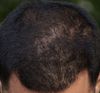
A user shared their 10-month hair loss treatment progress using 1mg Fin, 2.5mg oral Min, Keto shampoo, dermastamping, and recently added Dut. Replies noted the user had great hair before and after treatment.
The user experienced hair loss despite using Fin and Min for 12 years and switched to Dutasteride, RU58841, and Keto scalp serum, but shedding and itch persist. They are considering increasing Dutasteride to 2.5mg and questioning the necessity of a scalp biopsy, with mixed opinions on its usefulness.
Pelage Pharmaceutical raised $120 million to continue research on PP405, a promising hair loss treatment that showed a 20% increase in hair density in 31% of men during a Phase 2a trial. The treatment was well-tolerated, with no systemic absorption, and Phase 3 trials are planned for 2026.
A user is testing clascoterone (Winlevi) on their scalp for hair loss and has noticed a reduction in scalp sebum after one month. They are also using other unspecified treatments and plan to provide an update after the second month.
The conversation discusses treating male pattern baldness in a transgender woman using cyproterone acetate, finasteride, and biotin. The original poster shared their experience for others who might be in a similar situation.
The conversation discusses the need for a localized 5-alpha reductase inhibitor that only affects the scalp without systemic side effects, similar to pyrilutamide's approach. Current treatments like topical liposomal finasteride and dutasteride are mentioned, but concerns about their systemic effects and lack of research are highlighted.
The user is experiencing hair loss with possible causes including chronic telogen effluvium, diffuse alopecia areata, and androgenic alopecia. They have tried treatments like Nizoral shampoo, minoxidil, and finasteride, and are considering a biopsy for further clarity.
A user with long-term hair loss has been using topical minoxidil, finasteride, RU58841, ketoconazole, and dermastamping for 8 months. They are unsure if the new hairs are miniaturized or vellus.
The conversation is about finding shampoos with Piroctone Olamine in the US for itch relief, as the user has not found relief with Keto shampoo, oral Dutasteride, and oral Minoxidil. Users suggest alternatives like Neutrogena T/Gel and online options, but note availability and price issues.
The user experienced scalp inflammation and rapid hair loss after using minoxidil, despite initial success. Suggestions included switching to minoxidil foam, using oils, trying aspirin, and considering RU58841 for inflammation and hair loss management.
OP is considering using a keratin gel to improve hair quality and is concerned about its safety and visual impact on a slightly balding crown. Users discuss shampoo frequency, with some suggesting less frequent use for better hair health, but OP prefers regular shampoo and conditioner for silky hair.
The user is experiencing progressive hair thinning despite using finasteride and dutasteride. A biopsy confirmed male pattern baldness, and minoxidil was suggested as an additional treatment.
The user has been using Finasteride for 7 years, RU58841, Stemoxydine, and 2% Ketoconazole shampoo for hair loss treatment but still experiences an itchy and inflamed scalp. They have not yet tried the prescribed oral Minoxidil and are considering lifestyle factors like diet and sleep as potential contributors to the issue.
A humorous discussion about random, long hairs appearing on the body, with no connection to hair loss treatments like Minoxidil, finasteride, or RU58841. Participants share personal anecdotes about these unusual hairs.
A 25-year-old male using Dutasteride, oral Minoxidil, and Ketoconazole shampoo is experiencing increased hair shedding and vellus hair growth along the hairline. Concerns are raised about whether this is a seasonal shed or a potential setback.
The user has been treating hair loss for 7 months using a combination of pyrilutamide, a topical mix of finasteride and minoxidil, microneedling, a topical mix of GHK-Cu and minoxidil, ketoconazole shampoo, fish collagen peptides, zinc, and vitamin D3. Another user suggests that continuous small improvements could lead to significant hair regrowth over time.
The conversation discusses a study comparing microneedling combined with minoxidil versus biotin/panthenol for hair loss. Results suggest biotin/panthenol may be superior to minoxidil, though the sample size was small.
The user experienced reduced hair shedding with Ketoconazole shampoo, suggesting it may help with scalp inflammation and hair health. They also use Minoxidil and Finasteride, and suspect food intolerance and stress contribute to their hair issues.
Switching from minoxidil with propylene glycol to a glycerin-based solution helped reduce scalp buildup and dandruff. Using ketoconazole shampoo and a scalp massager also improved scalp health.
The user is experiencing new hair growth after using oral dutasteride, topical minoxidil, and microneedling, but is concerned about black dots on the hairline, which might be clogged pores or dormant follicles. The user previously used a topical minoxidil/finasteride spray and had good results, despite a shedding phase after switching treatments.
Nizoral shampoo effectively reduces scalp itchiness and dandruff, particularly for those using minoxidil, and may promote hair growth despite not being FDA-approved for this purpose. Users report significant improvements in scalp health and reduced itchiness with regular use.
A 16-year-old female experiencing severe hair loss and sebum buildup, likely due to telogen effluvium and PCOS, is currently using vitamin D3 supplements, Redenser serum, and T follihair supplements. Recommendations include addressing PCOS first and consulting a doctor.
An 18-year-old diagnosed with male pattern baldness is using probiotics, saw palmetto, pumpkin seed oil, soy isoflavones, biotin, fish oil, quercetin, a multivitamin, and ketoconazole shampoo. Replies suggest these methods are ineffective and recommend finasteride, minoxidil, and a derma roller.
The user is experiencing scalp itching from a PG ethanol base in their hair loss treatment, which includes 0.025% finasteride and 2.5% minoxidil, and is seeking alternatives without PG or ethanol. Suggestions include Zeuss non-PG foam and Ulo, which do not use PG or hydrocortisone.
A user has been experiencing hair loss for 4 years, with treatments like minoxidil, finasteride, and various supplements proving ineffective. They were diagnosed with fibrosing alopecia in a pattern distribution, a condition that may require a combination of anti-inflammatory and hair growth treatments.
Pedro Pascal's full head of hair is likely due to genetics, finasteride, and possibly hair transplants. Many actors use finasteride to maintain their hair.
Using 2% ketoconazole daily can dry out the scalp; 1-2 times a week is recommended. Combining ketoconazole with treatments like minoxidil, alfatradiol, and fluridil can help manage hair loss effectively.
Hair loss progress discussed with 4.5 months on topical fin (0.025% liposomal). User uses rosemary oil for scalp health, and others think there might be some thickening or maintenance.
A 16-year-old diagnosed with male pattern baldness (MPB) was prescribed hair vitamins, vitamin D, a non-ketoconazole shampoo, and redenysl + serum, with a suggestion for GFC or IHRF treatments. Some users recommended minoxidil, ketoconazole, and derma stamping, while others advised against certain treatments until the age of 18.