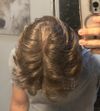
Hair loss discussion includes potential HMI-115 treatment. Topical mucuna pruriens shows good results, blocking prolactin possibly more important than blocking DHT.
The conversation is about using a Dr. Pen for microneedling on a widow's peak, with advice to use a depth of 1.25mm and hold it in place for 10 seconds. The user is also using minoxidil.
The user is considering switching from pyrilutamide to 0.025% topical finasteride due to concerns about effectiveness and past side effects from a scalp elixir. They aim to maintain hair until new treatments like breezula or GT00029 become available.
Microneedling can promote hair growth, but there is uncertainty about the best practices, including needle length, device, and session frequency. Users discuss using needle lengths between 0.5mm and 1.5mm, with some experiencing pinpoint bleeding, and emphasize the need for more reliable resources and guidelines.
A person is experimenting with microneedling on one temple while using Minoxidil to address hair loss. They plan to needle weekly and apply Minoxidil twice daily, avoiding application around needling sessions.
Dutasteride mesotherapy, combined with peptides and exosomes, is being considered for hair loss treatment. One user suggests that oral finasteride or dutasteride mesotherapy may not be necessary if already taking oral dutasteride.
A 30-year-old shared their 7-month hair regrowth progress using topical minoxidil twice daily, 1 mg finasteride daily, and weekly microneedling. Users discussed the effectiveness of these treatments and suggested adding retinol for better results.
Dr. Toyos is recruiting more participants for a larger trial on hair loss treatments. The discussion mentions Minoxidil, finasteride, and RU58841 as potential treatments.
Scalp massages may help with hair loss, but results require significant time and effort, and benefits stop when massages stop. Some users combine massages with topical minoxidil and finasteride for better results.
A user is using microneedling and rosemary/peppermint oil to treat hair loss, avoiding chemicals due to potential side effects. They have seen baby hairs growing after five weeks and plan to continue for a year.
A user is considering switching from regular 5% minoxidil foam to a compounded 5% minoxidil spray with added caffeine, melatonin, and tretinoin for easier application and potentially better results. Another user mentions that tretinoin can enhance minoxidil's effectiveness by converting it to its active form.
Gym and creatine can cause hair loss by increasing testosterone and androgenic activity. DHT blockers may help some, while others need androgen suppression with topical AA like RU or Pyri.
A user shared their positive experience with oral finasteride (1.2mg daily) and minoxidil (3mg daily) for hair regrowth, noting no side effects and significant improvement in hair density. Other users discussed their experiences with these treatments, including side effects and different application methods, with some expressing skepticism about side effects and others sharing their own challenges.
The user shared progress pictures after 5 months of using finasteride and microneedling, noting they stopped minoxidil recently to test finasteride alone. Another user observed good improvement and advised not to stop using minoxidil.
Hair loss and potential treatments, primarily focusing on Finasteride and Minoxidil. Other solutions discussed include PRP, dermarolling, LLP, and scalp tension relief.
A user is experimenting with applying undiluted peppermint oil to their scalp daily to stimulate hair growth, based on a rat study where peppermint oil outperformed minoxidil. The user reports immediate hair thickening and increased scalp blood flow, while others in the conversation express skepticism, humor, and concern about the undiluted application.
The user is experiencing hair regrowth using 1mg oral finasteride daily, Minoxidil foam twice a day, and microneedling weekly with a 1.5mm needle. They are seeking feedback and suggestions to optimize their hair regrowth.
Alfatradiol is considered safe but less effective than finasteride for hair loss. One user reported subtle regrowth using alfatradiol with finasteride and minoxidil, while another found alfatradiol ineffective.
The user is experiencing hair thinning and shedding despite no family history of male pattern baldness. They are considering starting treatments like Minoxidil or finasteride.
A user describes using a Dermastamp for microneedling their scalp, noting a crunching sound when pressing it firmly. Another user suggests the crunching might be from breaking up scalp calcification.
Microneedling for hair loss is discussed, with users mentioning using 0.6mm needles twice a week. Treatments like Minoxidil, finasteride, and RU58841 are implied but not directly mentioned.
OP is using scalp massages, dermastamping, and rosemary oil for hair improvement, with mixed opinions on effectiveness. Some suggest lighting affects perceived results, while others recommend treatments like finasteride, dutasteride, and RU58841 for better outcomes.
User sshamu's progress pictures of 4 months using minoxidil foam and 1MM dermarolling for hair loss, which resulted in impressive results. There is also discussion about how often to use the treatments, as well as potential side effects of finasteride.
A user is seeking advice on enhancing their hair loss treatment regimen, which currently includes finasteride, minoxidil, saw palmetto, and Nizoral shampoo, with plans to add oral minoxidil, a laser cap, and various supplements. They are considering purchasing additional treatments like topical finasteride, melatonin, Eucapil, and Stemoxydine from Indian and international sources.
User shares progress update on hair loss treatment using finasteride, minoxidil, and microneedling. Others congratulate and ask questions about treatment details, such as microneedling tool, needle size, and side effects.
The conversation discusses using microneedling combined with castor, peppermint, rosemary oils, and caffeine as a treatment for mild hair loss, aiming to stop or slow down hair loss and potentially regrow hair. The effectiveness of this treatment without side effects is uncertain, and it may slow hair loss but results vary.
Amplifica starting clinical trials for new hair loss drug. SCUBE3 protein discovered, stimulates hair growth, could be alternative to Minoxidil and Finasteride.