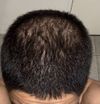
A man stopped taking finasteride, a hair loss treatment, to improve his fertility. His sperm count and motility increased after stopping the medication, but sperm shape did not change.
The user lost gym motivation after taking finasteride for four months, possibly due to its effect on DHT levels. Suggestions include adjusting dosage, trying topical treatments, using caffeine, checking testosterone levels, and considering supplements like SSRIs or pregnenolone.
Finasteride users report reduced libido and increased hair shedding initially, but some see these as temporary or manageable side effects. Vitamin E and D-3 supplements are discussed as potential aids for libido and mood.
People worrying about hair loss and the effects of Finasteride on erections, which a transgirl has experienced no change from taking it with other medications. The discussion suggests that people should stop worrying so much.
User experienced hair density decrease after 1 year of finasteride. Others shared similar experiences, suggesting it could be a temporary shed and discussed various treatments like dutasteride, minoxidil, dermaroller, and ketoconazole.
After 8 months of using topical finasteride, hair miniaturization continues, raising concerns about its effectiveness. Microneedling is suggested as a possible complementary treatment.
The user observed some regrowth and longer baby hairs after one month of using finasteride, despite experiencing increased shedding. They noted no side effects except for clear semen.
The conversation is about a 23-year-old man's positive experience with hair regrowth using oral finasteride (1mg daily) and topical minoxidil (twice daily), with initial side effects including zero libido and watery semen that resolved except for the semen consistency. He also used dermarolling initially but stopped due to brittleness.
A 23-year-old male was using 0.5 mg of dutasteride daily, 10% minoxidil twice daily for 4-5 months then once daily, and vitamin D for a month for hair loss treatment but saw a decline in results. It's suggested that the decline may be due to reducing minoxidil application to once a day and a doctor's visit is recommended for further advice.
The user experienced significant hair regrowth with finasteride but noticed recent hair thinning, possibly due to nutrient deficiencies and weight loss. They plan to add microneedling and consider switching to dutasteride.
A 23-year-old is using 2.5 mg dutasteride, 5 mg oral minoxidil, RU58841, a laser cap, and PRF injections for hair loss. They are hesitant about microneedling due to concerns about RU58841 absorption and are considering other treatments.
A 25-year-old experienced worsening hair loss and side effects like low libido and watery semen after using minoxidil, finasteride, and later switching to dutasteride. Despite trying various treatments, including topical solutions and micro-needling, they saw no improvement and are now seeking advice.
Finasteride use resulted in increased hair growth but reduced libido for some, leading users to consider topical versions to lessen side effects. Opinions varied on the trade-off between hair benefits and sexual side effects.
A user experienced testicular pain after taking finasteride for hair loss and considered lowering the dose to 0.25mg to manage side effects. They also considered adding minoxidil to their routine while seeking advice on whether to continue or stop finasteride.
A 24-year-old male experienced side effects like low libido and ED after starting finasteride post-hair transplant and is seeking alternatives to reduce scalp DHT. Suggestions include topical finasteride, Xpecia, DHT-reducing shampoos, and switching to dutasteride, with some users reporting fewer side effects with these alternatives.
A 28-year-old male has been using topical dutasteride and minoxidil for a year without improvement, experiencing persistent hair shedding. It is suggested that the treatment might not be effective for him, and he should consider other approaches or check for underlying conditions.
A physician experienced hair thickening and new growth using microneedling and minoxidil, but stopped using topical finasteride due to side effects like reduced libido and erectile dysfunction. The physician plans to continue with microneedling and minoxidil, considering finasteride nonessential for cosmetic purposes.
A 23-year-old male experienced nipple sensitivity after taking 0.5 mg finasteride for 2.5 months, with blood tests showing increased testosterone and estrogen levels. He stopped finasteride temporarily and seeks advice to prevent gynecomastia.
A 43-year-old man shares his slow progress using low-dose topical finasteride and 5% minoxidil for hair growth, along with scalp massages, microneedling, biotin supplements, and pumpkin seed oil. Another user suggests shaving and warns about potential infertility from finasteride, but the original poster remains optimistic, citing others' successful results.
The user is experiencing hair regrowth after three months using minoxidil, 1.25mg finasteride, ketoconazole cream, and a 1.5mm derma roller. They are considering reducing their finasteride dose due to decreased libido.
The user is experiencing hair miniaturization despite using dutasteride 0.5mg daily and oral minoxidil 3mg daily for three months. They are advised to continue the treatment as full effects may take up to a year.
A 23-year-old male experienced good hair growth and increased self-confidence after 10 months of using oral finasteride (1.25mg) and topical minoxidil (5% twice a day), despite no decrease in hair shedding. He also used 1mm microneedling monthly and reported minor side effects like forgetfulness.
A 19-year-old male shared his negative experience with finasteride, including side effects like vision issues, genital changes, pain, swollen lymph nodes, and mood alterations, which resolved after stopping the medication. He suggests alternative hair loss treatments like exercise, diet, possibly avoiding masturbation, topical anti-androgens, and dermarolling, emphasizing mental health over aesthetics.
An 18-year-old male has been taking oral finasteride 0.25 mg daily for almost four months to address hairline recession, experiencing mild sexual side effects like softer erections and lower libido. He also uses Tugain 5%, ketoconazole, and vitamins, noticing slowed shedding but no major regrowth, and seeks advice on managing side effects and hair loss.
The release of a study on 5a-reductase inhibitors (finasteride and dutasteride) which showed an increased risk of depression, dementia, decreased libido, and reduced semen load as potential side effects; discussion around other forms of hair loss treatments such as topical minoxidil, RU58841, or opting to accept baldness; and advice to consider professional help for deeper issues related to hair loss.
A 23-year-old with diffuse thinning for 2 years is using Finasteride 1mg, prescribed by a dermatologist, and is seeking advice on regrowth expectations. Replies suggest continuing Finasteride, possibly adding Minoxidil, and being patient with results.
User experienced hair growth with finasteride and minoxidil, but after using tretinoin, faced aggressive thinning and hair loss. They plan to stop tretinoin for two months to see if the problem improves.
A 42-year-old man is using topical finasteride, oral minoxidil, microneedling, ketoconazole shampoo, and various oils for hair loss treatment and is happy with the improvements after 5 months. He experienced mild side effects from finasteride, including temporary testicular pain and changes in libido, but no side effects from minoxidil.
An 18-year-old using topical finasteride for hair loss is experiencing side effects like delayed ejaculation and lower sex drive after three months. They are considering whether to continue with the treatment or adjust it, possibly switching back to minoxidil.