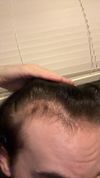
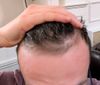
A user's experience with hair loss and their consideration of using finasteride, minoxidil, RU58841, stemoxydine, fluridil, and peptide serum with redensyl as treatment options.
User is experiencing issues with Minoxidil and is considering switching to Redensyl, specifically asking for brand recommendations. The Ordinary - Multi Peptide is mentioned, but the user seeks other brand experiences.
Procapil is claimed to be better than Minoxidil for hair loss. Users discuss the effectiveness of various treatments, including Minoxidil, Finasteride, RU58841, and The Ordinary's Multi Peptide Hair Serum.
The user reports positive results in hair growth using daily oral finasteride (1.2mg), minoxidil (3mg), and biotin (2.5mg), along with collagen peptides, exercise, and weightlifting. Other users comment on the progress and discuss the effectiveness and side effects of these treatments.
A 21-year-old male experienced negative side effects from oral finasteride and is considering switching to topical finasteride or RU58841 after using oral minoxidil. He seeks advice on a standard hair loss routine, mentioning peptides, RU58841, and dermarolling.
A 33-year-old male with a receding hairline is advised to start with finasteride to block DHT and consider minoxidil for promoting hair growth. Other treatments like copper peptides and serums are deemed less effective, and ketoconazole shampoo is suggested for scalp health.
A user shared progress on treating female pattern baldness with a topical solution containing Minoxidil, Dutasteride, Tretinoin, Ketoconazole, and Hydrocortisone, along with supplements like Collagen Peptides, NAC, Vitamin C, and Keratin. Another user commented on the impressive results, noting the use of topical Dutasteride.
The user is using Minoxidil 5% foam in the morning and a Minoxidil 5% + Finasteride 1% solution in the evening for hair loss. They are seeking advice on additional topical treatments to use midday, such as caffeine serums, peptides, Redensyl, or natural anti-inflammatories.
A 27-year-old is experiencing hair thinning and receding, currently using finasteride and planning to start minoxidil. They seek advice on hairline treatment options, including styling, PRP, peptides, and micro-needling.
A 20-year-old male experienced mental fog after resuming topical minoxidil for hair loss, questioning if it's due to interactions with antidepressants. Suggestions included trying a lower concentration of minoxidil or alternatives like copper peptides.
The user has been using finasteride, minoxidil, and microneedling consistently for one month to improve hair regrowth. They also use collagen peptides, pumpkin seed oil, vitamin D, biotin, nizoral shampoo, adenosine shampoo, caffeine topical, and rosemary oil as part of their routine.
A 17-year-old is considering using minoxidil (OM) for hair thinning but is concerned about potential side effects and hormone disruption. They plan to use rosemary oil, ketoconazole shampoo, hair peptides, microneedling, and scalp massages as part of their treatment.
MCL-1 protein may help maintain hair follicles in the growth phase and prevent miniaturization. There is interest in experimental treatments like exosomes, peptides, or stem cell serums to upregulate MCL-1 for hair loss, especially for those not using minoxidil or finasteride.
The conversation discusses "Hair bloom" hair filler, which contains biotin, collagen, and various peptides, as a potential alternative to PRP or mesotherapy for hair loss. Opinions vary, with some suggesting it may be a cash grab or ineffective, while others believe it could complement topical minoxidil for early hair loss.
Zeuss sublingual products for hair loss, including finasteride and a finasteride-free option, are discussed for their potential to reduce side effects through sublingual delivery. The inclusion of copper peptides is noted, but the high price is a concern without more user feedback.
Melatonin, gingko biloba, and biotin are effective for treating hair loss with good tolerability. Alternatives like dutasteride, minoxidil, and other peptides are also discussed.
The user experienced hair regrowth using 0.5mg oral finasteride and the iRestore laser cap every other day, with reduced shedding. They also take collagen peptides and Nutrafol vitamins, though they are unsure of the latter's effectiveness.
The user has been using finasteride and minoxidil for 5 years with initial success but is now experiencing hair thinning despite increasing dutasteride usage. They are considering adjusting dutasteride frequency and possibly adding treatments like eucapil, minoxidil, and GHK-Cu peptides.
The conversation discusses the effectiveness of an eyebrow serum containing Myristoyl Pentapeptide and Biotinoyl Tripeptide for hair growth. The user seeks information on other topical products with similar peptides for hair growth.
A 33-year-old male is documenting his hair regrowth progress using minoxidil, red light therapy, copper peptides, and micro-needling, with noticeable improvement in hair thickness and coverage. He plans to add a topical finasteride/minoxidil spray and aims for a shadow on his scalp rather than a full head of hair.
Dutasteride has been used for 20 years with some hair thickness improvement but no dramatic regrowth. The user also experimented with minoxidil, tretinoin, and peptides like BPC 157 for potential benefits in hair density and quality.
Finasteride and minoxidil do not negatively interact with multivitamins, omega-3 fish oils, biotin, magnesium glycinate, or collagen peptides. Users report no issues taking these supplements alongside their hair loss treatments.
The post and conversation are about skepticism towards a new hair loss treatment containing 2-deoxy-D-ribose, copper peptides, and exosomes, with concerns about the legitimacy of the product and its website. The treatment's effectiveness and authenticity are questioned due to lack of testing and transparency.
The user stabilized hair loss with oral Finasteride and saw significant hair growth after adding oral Minoxidil. They also used collagen peptides and had no side effects.
The user is using Dercos Vichy shampoo with Aminexil, biotin, and a natural spray with peptides but is hesitant to start Minoxidil. A reply suggests starting Minoxidil, finasteride, and microneedling soon.
A user reports hair regrowth after 8 months using treatments including topical Minoxidil/Finasteride, microneedling, Nizoral shampoo, Pyrilutamide, GHK-Cu/Min topical, and supplements like fish collagen peptides, zinc, and vitamin D3. They've seen progress but slower regrowth in the midsection of the scalp and are seeking advice to improve it.
The user mixed RU58841 with Minoxidil for hair loss treatment and experienced reduced hair fall and thicker hair but stopped due to chest pain and muscle twitching. They plan to use a new routine without RU58841 or Finasteride due to side effects, including various topical treatments and peptides.
The user experiencing diffuse hair loss is using various treatments including RU58841, finasteride, minoxidil with tretinoin, anti-hair loss shampoo, and microneedling, and is considering adding peptides TB500, BPC157, and GHK-Cu. They have low growth hormone levels and are questioning its impact on hair loss, while another user suggests androgenic alopecia and androgens are likely the main cause of hair loss.
Minoxidil helped with hairline regrowth, but stopping it led to hair loss, suggesting circulation issues. Dermarolling, collagen peptides, and oils like castor and rosemary are recommended for improving hair health.
A female user is considering using RU58841 with minoxidil 2.5% to reduce side effects like facial hair from minoxidil 5%, while also using copper peptides and a hair serum. Other users discuss alternative treatments like spironolactone, alfatradiol, and the side effects of finasteride.