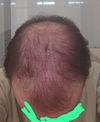
A user shared their successful hair loss treatment using 1.25mg finasteride daily, 2.5mm microneedling every 1-3 weeks, zinc pyrithione shampoo, occasional scalp massages, and 40% glycolic acid on temples. They reported significant progress over 21 months.
Creatine may increase DHT levels, potentially leading to hair loss, but whey protein and BCAAs are generally considered safe for hair. Finasteride can mitigate creatine's effects on hair loss.
An 18-year-old experiencing hair loss is considering using minoxidil and finasteride after minimal growth with a serum containing procapil, redensyl, rosemary, anagain, and aminexil. A suggestion was made to consult a doctor and consider using finasteride and minoxidil if androgenetic alopecia is diagnosed.
GHK-Cu and Acetyl Tetrapeptide-3 are ineffective for hair regrowth according to user experiences. Effective treatments mentioned are finasteride, dutasteride, and minoxidil.
Users discuss using pyrilutamide for hair loss, seeking alternatives to 5AR inhibitors. They mention using minoxidil, ketoconazole shampoo, and RU58841.
The conversation is about a hair loss treatment protocol involving microneedling, finasteride, RU58841, minoxidil, ketoconazole shampoo, and a scalp massager with oils. Some users advise starting with fewer treatments like finasteride, minoxidil, and microneedling to avoid potential side effects.
Scalp hydration may influence hair growth by affecting the signaling pathways that control the hair growth cycle. Users suggest using facial moisturizer, aloe vera, and oils for scalp hydration.
A hair loss product containing ingredients like saw palmetto, biotin, vitamin D, and others, which claims to promote healthy hair growth and support men's health. However, user reviews are mixed, with some experiencing side effects like mood swings and nausea, and others questioning its effectiveness compared to a simple multivitamin.
Regenepure is recommended for hair loss due to its gentle formula and beneficial ingredients like Saw Palmetto and Biotin, despite having only 1% Ketoconazole. Nizoral is noted for its higher Ketoconazole content but is considered harsher on the scalp.
Key treatments for hair preservation include minoxidil, finasteride/dutasteride, and microneedling, with additional options like specific shampoos, oils, biotin, zinc, tretinoin, clascoterone, and low-level laser therapy. Maintaining a healthy lifestyle, reducing stress, and addressing nutrient deficiencies can also support hair health.
The user experienced temporary peach fuzz growth using a product with procapil and later tried minoxidil and finasteride without significant results. Their boyfriend has used minoxidil and finasteride consistently for over five years with sparse hair improvement.
Minoxidil (Lipogaine) and Ketoconazole shampoo (Regenepure) are recommended for hair loss treatment, while finasteride is considered risky due to potential side effects. Biotin is not advised due to possible health risks, and the user emphasizes the emotional impact of hair loss and the hope for a future cure.
Pelage Pharmaceuticals' PP405, a new hair loss treatment, was recognized by Time Magazine as one of the best inventions of 2025. The conversation expresses optimism about the recognition of this in-development treatment.
The conversation discusses using topical vitamin C in shampoo or serum for hair growth and thickness. The user mentions using the Nioxin system to maintain thick hair and is curious about the effects of vitamin C on hair growth.
A 17-year-old is concerned about hair loss and questions his dermatologist's advice against using finasteride due to age. The dermatologist recommended a serum with aloe vera, saw palmetto, biotin, and dexpanthenol, but the user is skeptical and considers using minoxidil instead.
Calecim (PTT-6) Advanced Hair System is a 6-week hair restoration product using stem cell-derived ingredients to stimulate hair growth. Users are skeptical, calling it overpriced and ineffective, suggesting alternatives like LLLT devices or PRP treatments.
People are discussing hair loss treatments, including minoxidil, finasteride, and RU58841, to turn vellus hairs into terminal hairs. Some users also mention using antibiotics, oral minoxidil, dutasteride, DHT blockers, biotin, and natural remedies like onion juice and seeds to improve hair growth.
A user with aggressive male pattern baldness found that topical melatonin significantly reduced their hair shedding to 1 or 2 hairs per day and noticed some thickening of side hair. They tried many treatments like finasteride and minoxidil with little success, but topical melatonin showed immediate results in reducing hair loss.
The conversation discusses hair regrowth using dissolvable microneedles loaded with rapamycin and epigallocatechin gallate nanoparticles. Specific treatments mentioned include Minoxidil, finasteride, and RU58841.
Oleic acid, microneedling, and emu oil are discussed as potential hair growth treatments, with some users expressing skepticism about their effectiveness. Minoxidil and finasteride are recommended as current reliable treatments until more proven solutions are available.
If treatments like finasteride, minoxidil, PRP, microneedling, and exosomes fail, opinions differ on using a hair system or shaving. Some choose shaving for simplicity, while others consider hair systems despite maintenance concerns.
A 17-year-old with AGA is considering Revitacare Haircare Mesotherapy, which includes hyaluronic acid, amino acids, zinc, and B vitamins, injected into the scalp. One reply dismisses it as ineffective.
The conversation discusses hair loss treatments, focusing on insulin resistance, microneedling with topical melatonin, and stress reduction. Users express skepticism about the advice, preferring proven treatments like minoxidil and finasteride, while some mention alternative methods like dermal incisions and verteporfin for reducing fibrosis.
A 22-year-old male is experiencing hair loss due to seborrheic dermatitis, not male pattern baldness, and is seeking advice. Suggestions include using Nizoral, sulfate-free and ketoconazole shampoos, cutting hair short, using cold water, avoiding picking scabs, and trying selenium sulfide shampoo or finasteride.
Hair loss treatments discussed include Minoxidil, Finasteride, and RU58841. HMI-115, a monoclonal antibody drug, is in phase 1 and 2 trials for different conditions, but its availability on the gray market is unlikely due to high production costs.
PP405 is a topical gel being tested for hair regrowth in adults with androgenetic alopecia. Volunteers aged 18-55 are needed for a 16-week trial in several US locations.
A user started a hair loss treatment 6 weeks ago using oral finasteride, minoxidil, biotin, vitamins B5, B6, and C, along with a topical serum containing batana, rosemary, castor oils, rice water, and more biotin. They are hoping to see progress by June-July.