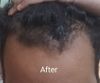
Young men are advised to delay hair transplants until after age 25, using finasteride, minoxidil, and dermarolling to manage hair loss. Concerns about unethical doctors highlight the need for careful planning.
A 19-year-old male with hair loss and gynecomastia is considering starting finasteride after trying various treatments like Ketoconazole shampoo and consulting dermatologists. He has chronic telogen effluvium and seborrheic dermatitis, with normal testosterone and thyroid levels but low platelet count.
The conversation is about a 19-year-old female experiencing hair loss, potentially due to deficiencies in iron, ferritin, and vitamin D. She is considering iron and vitamin D supplementation and exploring dietary changes, while also planning to consult a dermatologist when possible.
Finasteride and minoxidil have helped maintain hair density and possibly improved coverage, though results vary and regrowth can take time. Some suggest trying dutasteride and oral minoxidil for more significant regrowth.
Thomas Sowell's youthful appearance at age 95, with comments on his hair and overall looks. Some suggest using treatments like minoxidil and finasteride to maintain hair.
A 22-year-old is experiencing aggressive hair loss despite using minoxidil and finasteride and is considering a hair transplant but lacks funds. The discussion includes advice on treatments like dutasteride, microneedling, and lifestyle changes, with mixed opinions on the timing and effectiveness of a transplant at a young age.
Someone who is 18 and has been balding since 15 starting treatments with finasteride and minoxidil to stop or reverse their hair loss, as well as discussing the dilemma of whether it's rude or helpful to point out another person's hair loss.
A 24-year-old is considering a hair transplant but is hesitant due to cost and finding his shaved head looks better than expected. He plans to try finasteride to improve hair density after unsuccessful attempts with minoxidil and dutasteride.
Some people don't see results with FDA-approved hair loss treatments like finasteride or minoxidil due to underlying issues. The video suggests addressing these issues, especially if there are atypical symptoms or other health conditions.
The user's hair appears to have improved, looking thicker and healthier, especially around the temples, after using topical minoxidil, finasteride, dutasteride, and tretinoin. Most participants agree the last picture shows significant improvement, though one disagrees.
The conversation is about a user questioning if they have experienced hair regrowth after using topical minoxidil and oral finasteride for 2 months and 2 weeks, with mixed opinions on whether the perceived changes are due to lighting or actual regrowth. Most users suggest that noticeable regrowth typically takes 6-12 months, and the differences in photos may be due to lighting and hair styling.
A 20-year-old woman with androgenetic alopecia feels depressed about her hair loss, despite using topical minoxidil, spironolactone, and saw palmetto. Suggestions include trying oral minoxidil, higher doses of finasteride or dutasteride, and checking for vitamin deficiencies and heavy metal exposure.
An 18-year-old started taking 1.5 mg oral minoxidil daily for diffuse thinning but is hesitant to use finasteride due to potential side effects. They are questioning if minoxidil alone will be effective.
A 20-year-old discusses family denial about his hair loss, diagnosed with seborrheic dermatitis, folliculitis, and male pattern baldness. He is prescribed Dutasteride and oral Minoxidil for treatment.
A 30-year-old is using topical minoxidil 6% and finasteride for hair loss, showing significant progress over five months. They also use dermastamping, nizoral shampoo, and had a hair and scalp treatment.
A 17-year-old has been using Minoxidil for 3 months and dermastap for 2 weeks but feels they are losing progress. A suggestion was made to add finasteride 1 mg three times weekly.
A 20-year-old male experienced bald spots and used minoxidil, which led to hair regrowth but also premature graying. He seeks advice on reversing graying through diet or supplements like catalase, while another user suggests vitamin D3 and sesame for hair color.
A 21-year-old from Germany is experiencing a receding hairline and is considering treatments like Finasteride and Minoxidil. They are unsure whether to consult a general practitioner or dermatologist and are concerned about being taken seriously due to their age.
An 18-year-old is experiencing positive hair regrowth results using 2.5mg minoxidil, 0.5mg finasteride daily, and dermarolling twice a week. They are satisfied with the progress and hope for continued improvement.
A 5-year-old male considering using finasteride to prevent receding hairline, with suggestions ranging from topical minoxidil and estrogen treatments to hair transplantation and shaving.
A 20-year-old engineering student discusses balding experiences with barbers, mentioning treatments like PRP and rosemary oil masks, which slowed but didn't stop hair loss. The conversation humorously touches on the stereotype of engineers balding due to stress and suggests considering treatments like finasteride.
Finasteride may affect male offspring's fertility and hormonal balance, with debates on whether to discontinue use before conception. Some users report no issues, while others highlight the high doses used in rat studies.
User hoodoomoovoo discusses their interest in stem cell research and its potential for hair loss treatment. They share links to studies and mention ongoing trials, expressing optimism for a future solution to hair loss.
The conversation discusses scalp issues and hair loss, with treatments like Accutane, Nizoral, and H&S being used. Suggestions include considering finasteride, minoxidil, and jojoba oil, with caution advised for the latter.
A 20-year-old started using finasteride, topical minoxidil, and high-dose Vitamin D3 a month ago and is already seeing new hair growth. Others suggest adding dermastamping for better results.
A user shared their hair regrowth journey from ages 31 to 39, using finasteride, oral and topical minoxidil, and dutasteride. They experienced significant hair density improvement and temple regrowth, with increased hair growth as the only side effect.
A 19-year-old using topical minoxidil and dutasteride reports significant hair growth and shedding. Minoxidil caused new facial hair growth, and the user hopes for thicker hair regrowth.
The user is experiencing hair thinning and visible scalp at 18, seeking advice on whether it's genetic or a scalp condition. Suggested treatments include Minoxidil, finasteride, ketoconazole shampoo, and CBD oil with MCT.
A 21-year-old male has been using minoxidil and finasteride since July 2023 to combat hair loss but is considering embracing a bald look due to mixed results. Many commenters agree he looks better bald, praising his appearance and suggesting he maintain the shaved look.