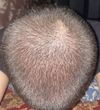
The user experienced significant hair shedding in the second month of using finasteride, leading them to buzz their hair. They plan to improve their diet, sleep, and stress levels, and start using Nizoral for scalp issues.
A user shared their experience with Minoxidil 5%, reporting hair regrowth during use but significant hair loss after stopping. They resumed treatment and regained hair, noting that discontinuation leads to rapid hair loss and that scalp dryness was managed with oil.
High cholesterol may accelerate hair loss by reducing blood flow and increasing DHT levels. Treatments mentioned include Minoxidil, finasteride, and RU58841.
User experienced sudden, rapid hair loss after a year on 2.5mg oral minoxidil. They are hesitant to use finasteride due to anxiety and depression concerns.
The user experienced increased shedding and side effects like oily skin and acne after switching from finasteride to dutasteride, despite initially having success with finasteride. They also tried oral spironolactone, which reduced libido but didn't help with hair loss, and are considering returning to finasteride only.
Quitting smoking led to reduced hair loss for the original poster, who also used finasteride and topical minoxidil. Other users shared mixed experiences with smoking and hair loss, with some noticing improvements after quitting and others seeing no change.
The user is questioning if their hair is regrowing or thinning while using dutasteride 0.5mg, minoxidil 2.5%, vitamin tablets, and ketoconazole shampoo. They are seeking opinions on their hair loss treatment progress.
Switching from finasteride to dutasteride led to significant hair thinning and receding for the user, despite using topical minoxidil daily. Many users suggest that shedding is common with dutasteride, but some recommend returning to finasteride if no improvement is seen after a year.
The user is experiencing severe hair thinning and is using multiple treatments including topical finasteride, minoxidil, tretinoin, latanoprost, oral minoxidil, dutasteride, saw palmetto, and derma wounding. They are considering adding RU58841 and are contemplating a hair transplant and exosomes due to frustration with current results.
A 26 year old female with PCOS who has been dealing with hair loss for several years, despite managing her hormones and taking vitamins. She has tried various treatments such as Nizoral, Minoxidil, Pyrithione zinc, coal tar and salicylic acid to no avail. The user is looking for advice on what else they can do to stop their hair loss.
The conversation discusses the potential link between gut health and hair loss, with personal experiences of hair thinning and stomach issues shared. Some individuals found no success with common hair loss treatments like Minoxidil and Finasteride and are exploring the impact of gut health on hair growth.
A 33-year-old man experienced diffuse thinning and hair shedding due to sleep deprivation and low testosterone. After starting hCG treatment, he noticed hair regrowth on his temples.
After 3 months of using oral finasteride with oral minoxidil, shedding has started, and facial and body hair is growing back thinner. The user is questioning if a dosage increase is needed.
Social media spreads misinformation about hair loss, often promoting unproven treatments like diet changes. Effective treatments like Minoxidil, finasteride, and RU58841 are overlooked.
The user is experiencing increased hair thinning and shedding despite using oral dutasteride, oral minoxidil, topical dutasteride, and ketoconazole shampoo. Many recommend considering a hair transplant or embracing baldness, as current treatments seem ineffective.
Minoxidil and finasteride are used for hair regrowth, but initial shedding can be distressing. Consistent use is important, and many users eventually see regrowth and thickening.
PP405 is a potential hair loss treatment undergoing trials, with discussions on its effectiveness and comparison to existing treatments like finasteride and minoxidil. There is skepticism about its status as a cure, with hopes for future advancements in genetic treatments like CRISPR.
Heavy nicotine use can lead to hair thinning and loss, but quitting can reverse these effects. The user noticed significant hair regrowth after quitting vaping.
An 18-year-old noticed hair thinning at 17, started finasteride 5 months ago, and saw shedding stop but no regrowth. They suspect male pattern baldness due to family history and are concerned about thinning on the back and sides, possibly due to inflammation.
A 24-year-old male using topical finasteride for hair loss is experiencing thinning despite treatment and has high estrogen levels. He is seeking advice on whether high estrogen could be causing hair loss and how others with high estrogen levels have addressed it.
The user experienced hair loss after initially seeing positive results from using dutasteride and oral minoxidil. They are concerned about the hair shedding and wonder if stopping a multivitamin contributed to the issue.
The user has been using Minoxidil, Ketoconazole shampoo, and a dermastamp for 7 months and experienced a period with no shedding, but is now shedding about 100 hairs a day and is questioning if this is a result of the treatment or their normal hair loss. They are unable to start finasteride and are considering stopping the treatment due to the shedding.
Hair loss can be influenced by chronic low-level allergies, and treatments like fexofenadine or topical cetirizine may help with regrowth. The user avoids finasteride, dutasteride, and minoxidil, and has tried Regenera Activa and PRF sessions.
The user is using oral dutasteride, oral minoxidil, topical minoxidil, finasteride solution, tazarotene, calcipotriol, and a peptide serum for hair loss but is concerned about continued hair shedding. They are advised to stop smoking as it may worsen hair loss and to give the treatments more time to work.
The user has been experiencing prolonged hair shedding despite using Dutasteride, Minoxidil, and topical Finasteride, with blood tests showing high free testosterone and low SHBG. Suggestions include adjusting Minoxidil dosage, considering topical anti-androgens like RU58841, and addressing metabolic factors to increase SHBG.
The user has been using finasteride (1mg) and minoxidil (3mg) since mid-September and is concerned about continued hair shedding. They are seeking opinions on whether this is normal.
An 18-year-old experiencing rapid hair loss is advised to use Minoxidil and finasteride to regrow hair and prevent further loss. Patience is recommended as these treatments take time to show results.
A user claims to have reversed baldness, possibly due to telogen effluvium recovery after weight loss. Others discuss the potential success of using GHK-Cu for hair regrowth.