Hair loss and potential treatments, primarily focusing on Finasteride and Minoxidil. Other solutions discussed include PRP, dermarolling, LLP, and scalp tension relief.
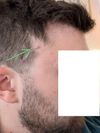
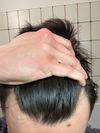
A 24-year-old with mild temple recession is using 5% minoxidil without noticeable effects and has started topical finasteride but is anxious about potential side effects. They are considering a specialist visit for peace of mind despite the cost.
The discussion is about using ASCEplus HRLB exosomes for hair loss treatment, which combines 10 billion exosomes with growth factors, nutrients, biotin, and copper tripeptide. The treatment is expensive and typically administered via scalp injections, but in Europe, it's done with microneedling.
Use rosemary oil 2-3 times a week, ideally after derma rolling, for optimal results. This routine can complement other treatments like Minoxidil, finasteride, or RU58841.
A female with suspected hair loss is considering using vitamins, a dermaroller, and essential oils to stimulate hair growth. Advice includes choosing a dermaroller with needles, preferably stainless steel.
Microneedling daily at 0.3mm combined with topical finasteride and minoxidil is effective for hair thickening, with added benefits from near-infrared therapy. The approach may not improve the front hairline, and deeper microneedling is done monthly for better results.
The conversation humorously discusses hair loss treatments, focusing on finasteride, dutasteride, minoxidil, and microneedling. Users share experiences and opinions on the effectiveness and side effects of these treatments.
Microneedling may enhance hair loss treatment by increasing the effectiveness of topical minoxidil, especially for those lacking the necessary enzyme to activate it. It might also work by triggering growth factors and improving topical absorption.
The conversation is about the importance of acting quickly against hair loss. The user shares their experience with androgenic alopecia and mentions using finasteride without improvement.
The conversation discusses why CB-03-01, a potential hair loss treatment, isn't widely discussed despite evidence of its effectiveness and safety. Some users mention other treatments like melatonin, procianidin b2, and RU58841, debating their effectiveness and safety.
The efficacy of degrading the androgen receptor through dermal application in DP cells, a delivery system for topical drugs that involves dissolving microneedles, and rosemary oil as an alternative anti-androgen.
Exercise improved minor side effects of finasteride, such as reduced ejaculatory volume and depression, and also helped with gyno. Running and push-ups were particularly effective, leading to increased ejaculatory volume and improved mental clarity.
A user proposed genetically engineering scalp stem cells to stop androgen receptors from causing hair loss. Others discussed the feasibility, existing research, and potential issues with this approach, including targeting the correct cells and unintended effects.
The conversation discusses the use of finasteride for hair loss, comparing every day (ED) versus every other day (EOD) dosing. It suggests that both dosing schedules can be effective, but individual tolerance may vary.
Topical Finasteride doesn't directly reduce 5ar enzyme on scalp and has the same mechanism as oral, needing to go through the liver. Users debate the accuracy of this information and discuss various studies and experiences.
The user experienced noticeable hair regrowth using topical minoxidil and a dermaroller within a month. They are advised to consider DHT inhibition for lasting results.
Corticosterone inhibits GAS6, affecting hair follicle stem-cell activity, with potential implications for stress-related hair loss. Ashwagandha and Vitamin K are suggested for reducing cortisol, but their effectiveness is debated.
The potential availability of a new hair loss treatment called HMI-115, which has shown promising results in experiments on monkeys but is not yet available to the public. Replies cautioned against using unproven substances from shady labs.
ET-02 is seen as promising for addressing hair loss and graying, but PP405 is more advanced in development and has better publicity. Some users plan to use both treatments alongside minoxidil and dutasteride.
A user had two hair transplant surgeries, using a total of 6850 grafts from the scalp, beard, and chest, costing around $20,000 USD, and is happy with the results, though the crown may not be as dense as the hairline. They experienced no scarring from the donor areas and noted that transplanted beard and chest hair are thicker and curlier.
The conversation is about using a dermastamp for hair loss treatment and concerns about a potentially scam product, pp405. It suggests sticking with known treatments like finasteride and minoxidil.
The conversation discusses starting low-dose oral finasteride for hair loss, considering hormone levels and potential side effects like gynecomastia. Suggestions include using DIM for estradiol, vitamin B6 for prolactin, and lifestyle changes to optimize hormone profiles before starting treatment.
Exploring the idea of transplanting miniaturized hair follicles to healthier areas to potentially reverse hair loss, with concerns about DHT sensitivity and scar tissue formation. The conversation also humorously considers using mice for hair growth experiments.
ET-02, a PAI-1 inhibitor, is not proven to be more effective than Minoxidil for hair loss. Other treatments like finasteride, dutasteride, PP405, and AMP-303 are also discussed, focusing on cellular senescence and oxidative stress.
A user shared a video suggesting that 0.5mm microneedles are most effective for hair growth. Other users mentioned different microneedle lengths and advised consulting a dermatologist for personalized treatment.
Exploring the potential of using Verteporfin to grow follicles in combination with microneedling, as well as the cost of administering a single injection and the possibility of combining it with minoxidil.
Someone looking for solutions to their hair loss, who has tried and failed to tolerate anti-androgen treatments such as finasteride, CB-03-01, RU58841, and Eucapil. The user is seeking advice and understanding of their extreme sensitivity to these treatments.
Using a dermaroller with topical minoxidil and oral finasteride regrows hair and improves temple areas. Users highlight the benefits of microneedling tools and stress the importance of consistency and proper sanitation.
Isoflavones from soybeans may help limit estrogen's effects on the body, potentially preventing gyno. However, surgery is the only way to remove gland enlargement.
A user discusses their habit of analyzing others' hair due to their own hair thinning at 18. Another user mentions starting finasteride in 2010 and still having a full head of hair.