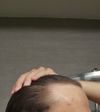
A user underwent a hair transplant with 3500 grafts after trying treatments like finasteride and minoxidil, preferring a local clinic in Toronto over traveling to Turkey. The user plans to continue using finasteride to maintain existing hair, as the transplanted hair is DHT resistant.
A user shared their positive experience with a hair transplant in Patna, using 1800 grafts to enhance their hairline and temple points. The procedure cost around Rs 85K, and the user is pleased with the natural-looking results.
A user named "tresslessinseattle" receiving a mysterious package of Eucapil hair loss treatment, which they are considering in combination with Minoxidil and Finasteride treatments to boost the regrowth they have been seeing.
Discussing a regimen to improve the user's hairline, with treatments proposed including minoxidil, rectal microneedling, IV drip of minoxidil, laser removal, PRP injection, topical minoxidil, divine protein shakes, stem cell injections, and keto shampoo.
The user had a hair transplant and is using oral minoxidil and finasteride but seeks advice for treating the crown area. They are looking for additional recommendations for non-transplanted areas.
Topical pirfenidone is highlighted as an effective anti-inflammatory and anti-fibrotic treatment for hair loss, particularly in addressing perifollicular fibrosis, which may enhance the effectiveness of standard treatments like finasteride and minoxidil. The user also uses calcipotriol, MCT oil, ciclopirox shampoo, and benzoyl peroxide shampoo as part of their regimen.
The conversation discusses the appearance of hair transplants immediately after surgery, noting that scars will be covered as hair grows. The original poster underwent both FUT and FUE procedures.
Hair loss discussion includes treatments like Minoxidil, Finasteride, and RU58841. Eucapil (fluridil) is approved as a cosmetic hair-care agent in Europe, but users question the level of testing required for approval.
Dr. Bloxham's trial is testing verteporfin on hair transplant patients to see if it can improve hair regrowth in treated areas. People are discussing the potential for follicle regeneration, expected results timeline, and concerns about side effects like cancer.
A young male in his twenties discusses hair loss, mentioning the use of Minoxidil, topical finasteride, and occasional derma rolling. He inquires about scalp inflammation, fibrosis, and the potential benefits of magnesium oil and scalp massages for improving blood flow and hair health.
A user underwent a second hair transplant for increased density and to address hair loss in the crown area, with 3,800 grafts at a cost of 2,200 euros at Estepalace, including additional services. Some commenters discussed the appearance of the hairline and the importance of using DHT blockers like finasteride or dutasteride post-transplant.
A user plans to create a DIY topical treatment for hair loss using Rapamycin, possibly combined with alpha-ketoglutaric acid (a-KG). They discuss the concentration and formulation process for Rapamycin, considering safety and skin penetration, and intend to apply it every other day to the scalp.
Finasteride may help stabilize hair loss, but regrowth at the temples is challenging and often requires additional treatments like minoxidil or a hair transplant. Users suggest patience and possibly combining treatments for better results.
The user had a hair transplant of 3400 grafts, primarily focusing on the hairline, and is happy with the results four months post-surgery. They used topical minoxidil, oral minoxidil, finasteride, and topical dutasteride, along with microneedling and Nizoral, and the procedure cost around $12,000.
The user is seeking advice on hair transplant techniques and surgeons to reshape a natural widow's peak into a more rounded hairline, preferring long hair transplants with minimal scarring and maximum density. They are currently using finasteride and oral minoxidil, which have not been effective, and are considering various surgeons primarily in English-speaking countries and the EU, excluding Turkey.
A user shared their experience with a hair and beard transplant in Istanbul, performed by Dr. Selahattin Tulunay, noting successful results after 12 months. The procedure cost 5000 €, and the user is open to questions about combining procedures or traveling for surgery.
The conversation is about using micro needling and PTD-DBM for hair loss treatment. The user applies PTD-DBM drops on weekdays and performs micro needling weekly.
User is 25, using oral finasteride for 4 years, topical minoxidil for 3 years, and microneedling. They ask if hair transplant can be done without scarring when shaving head completely bald later.
The user has mostly recovered hair density using finasteride, alternating oral and topical minoxidil, and occasional dermarolling, but the crown area is still struggling. Advice includes continuing treatment for up to 24 months and possibly consulting a doctor if issues persist.
A user suggests that deeper microneedling with Verteporfin injections might help regrow hair in areas with scar tissue, alongside a DHT blocker. Another user explains that hair loss might be due to reduced Wnt/β-Catenin signaling and suggests that treatments like Minoxidil, Finasteride, and microneedling could potentially reverse it.
Recruitment for a verteporfin trial and a separate hair cloning trial using verteporfin and other methods is underway, with locations in Jordan, NYC, Beverly Hills, and Memphis. Dr. Bloxham is conducting the hair cloning trial, and interested participants are encouraged to contact him directly.
The user experienced hair regrowth using topical finasteride 0.1%, minoxidil 10%, and microneedling over a year, recovering about 5 years of hairline and 3 years of density. The treatment was applied to the temples and frontal area, with some recovery in the coronal area attributed to microneedling.
A user shared their experience with hair transplant scab removal, noting that most scabs came off easily without bleeding by using oil and shampoo. They sought advice on whether any hair was lost during the process, and others reassured them that no hair was lost and to trust the healing process.
The conversation discusses Fevipiprant, an asthma drug that may block CRTH2 and potentially stop male pattern baldness (MPB) without inhibiting DHT. It also mentions the use of finasteride and dutasteride for hair loss.
The user experienced hair loss due to a crash diet and later developed scarring hair loss. They are now on finasteride, oral minoxidil, LDN, Zyrtec, and Oztela to reduce scalp inflammation and promote hair regrowth.